Stepping Up to #doDifferent
A pair of shoes is one of the most ordinary things we own. We slip them on without thinking, yet they decide how far we can walk, how comfortable the journey is and, for a child heading to school, whether they feel confident when they arrive. This week, we’re looking at a South African brand that has built its business around that simple truth.

Founded in 2012, Ekamu is a premium African lifestyle brand born in South Africa, with a simple belief behind it: Africa has stories, craftsmanship and creativity worth sharing with the world. Their tagline says it all: FEEL AFRICA. For the team, “Africa is not a trend or an aesthetic.” It is their origin, found in the hands that make each product, the materials they choose and the communities around them.
From their workshop in Hammarsdale, KwaZulu-Natal, Ekamu’s artisans work with genuine leather, Merino sheepskin and carefully selected materials. The range includes handcrafted leather sandals, the Kudziya slipper collection, luxury leather bags and even premium dog-carrying bags. Every piece is designed to be used, travelled with, gifted and enjoyed for years, not worn for a season and forgotten.

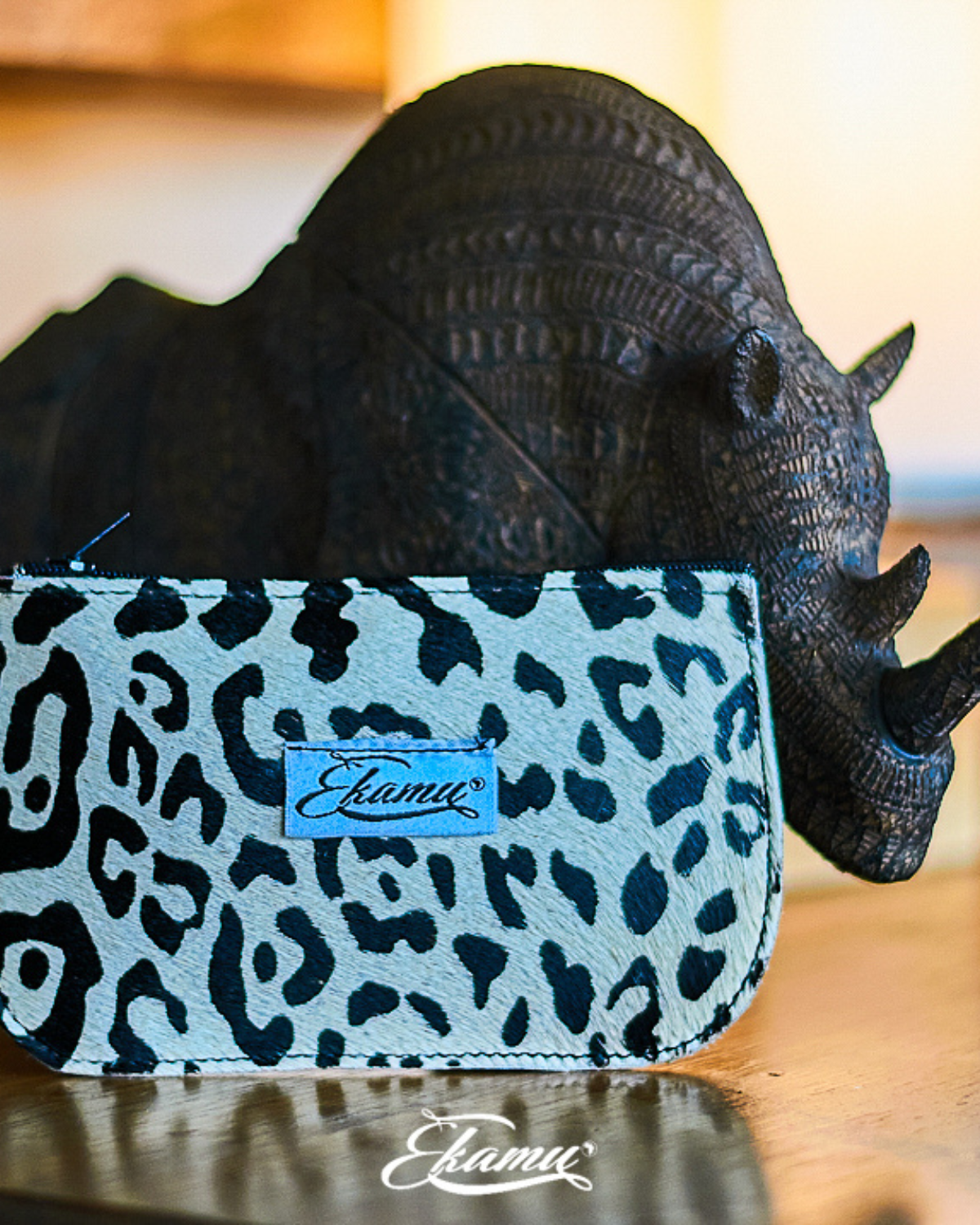
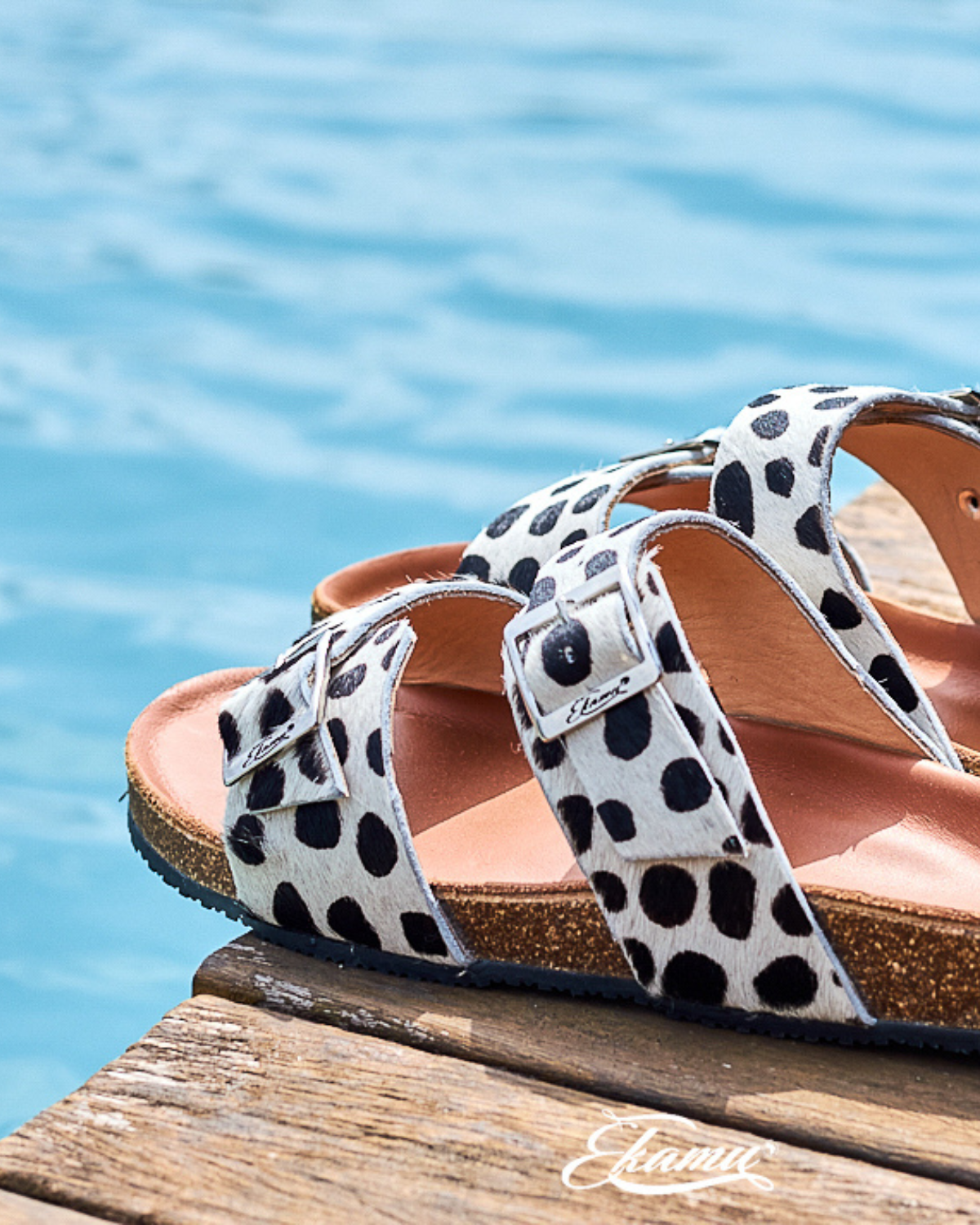
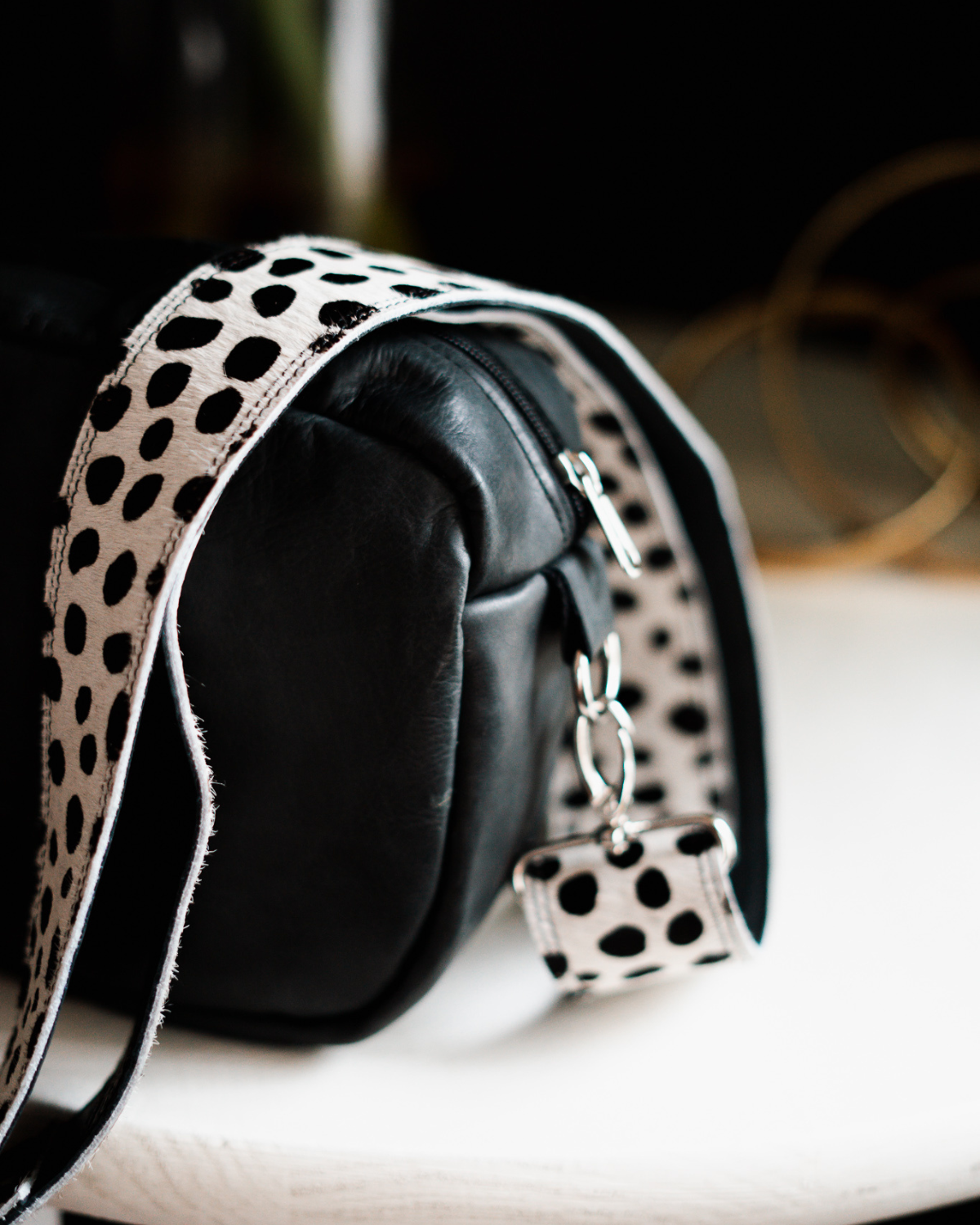
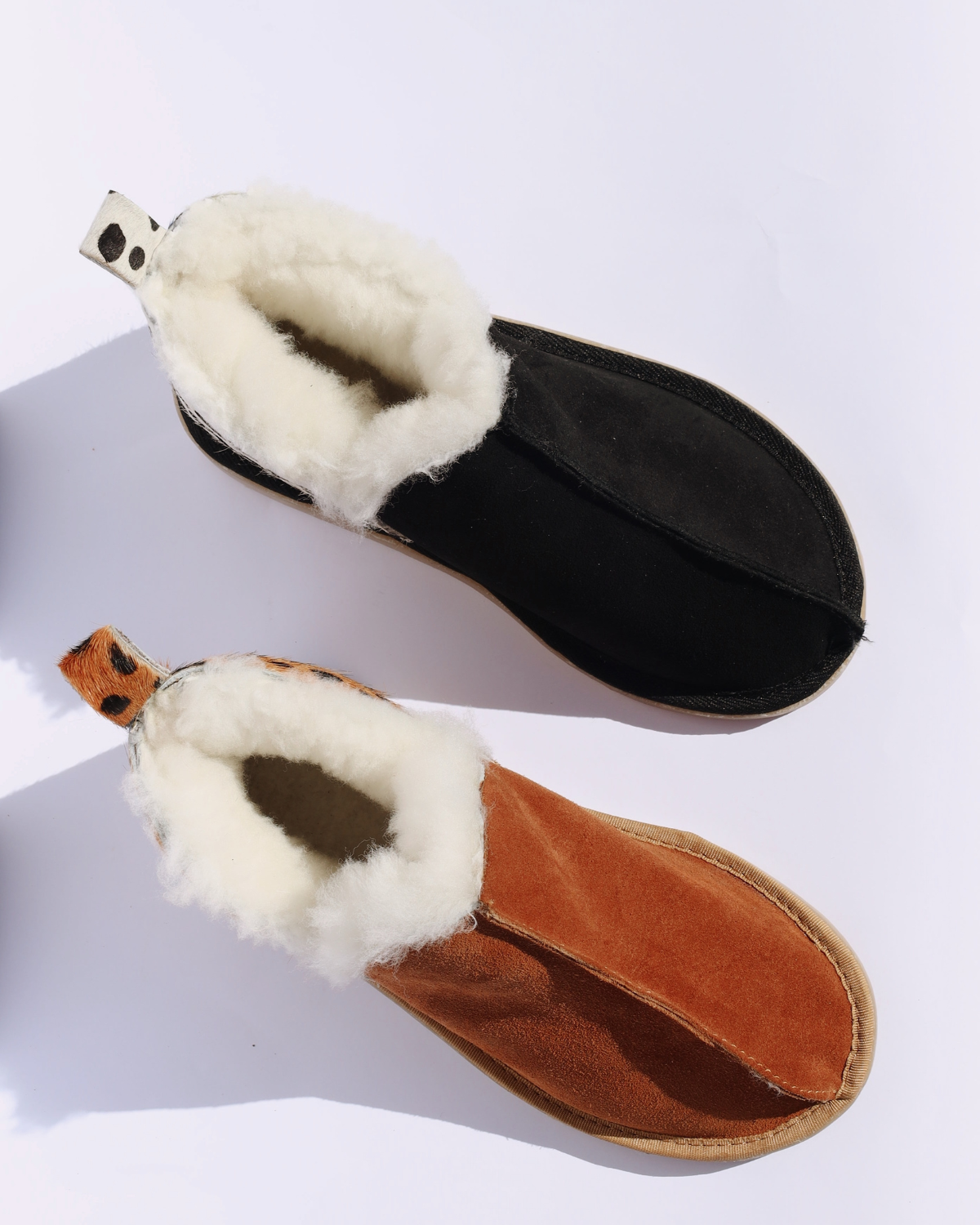
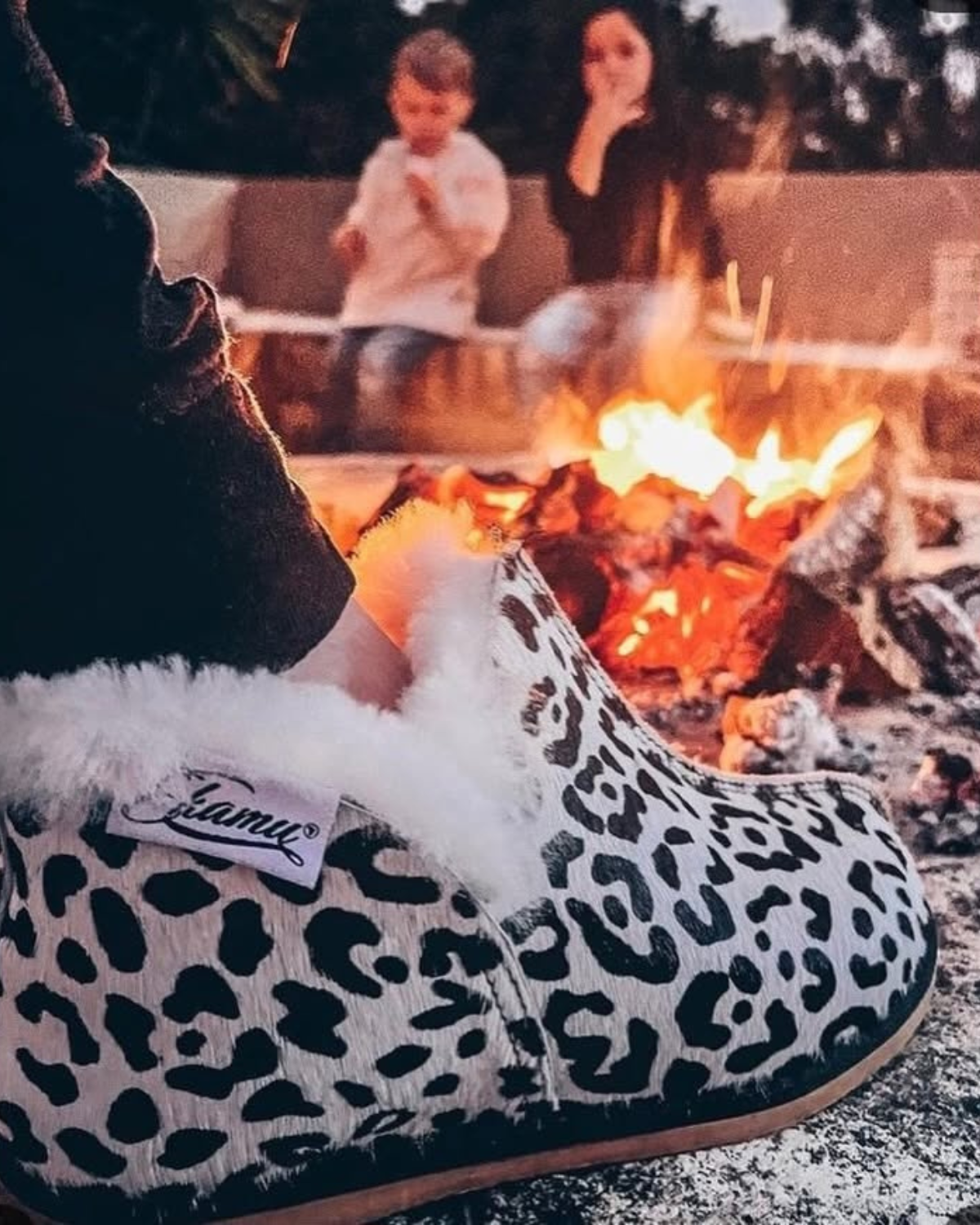
Ekamu’s commitment to local craftsmanship and employment is at the heart of the brand. Making each pair by hand in Hammarsdale keeps skills, jobs and value in the community where the products begin. Customers notice it. One buyer praised the brand’s “amazing support” of its community, with local people employed and children in need given school shoes. Others write about the comfort, the beadwork and the care the team takes, from broader-foot fittings to adjusting straps until a pair fits properly. For one customer, it was the first time in 57 years that she had shoes that fit her differently sized feet.
The deepest expression of Ekamu’s purpose is Inkanyiso School Shoes, the social enterprise the brand supports. It is built on a stark reality: according to Inkanyiso, around seven million South African children don’t own adequate school shoes, and in some schools as many as half arrive barefoot or in shoes that are falling apart. Children without proper shoes can miss school because the walk is too hard, or because they face teasing from classmates.
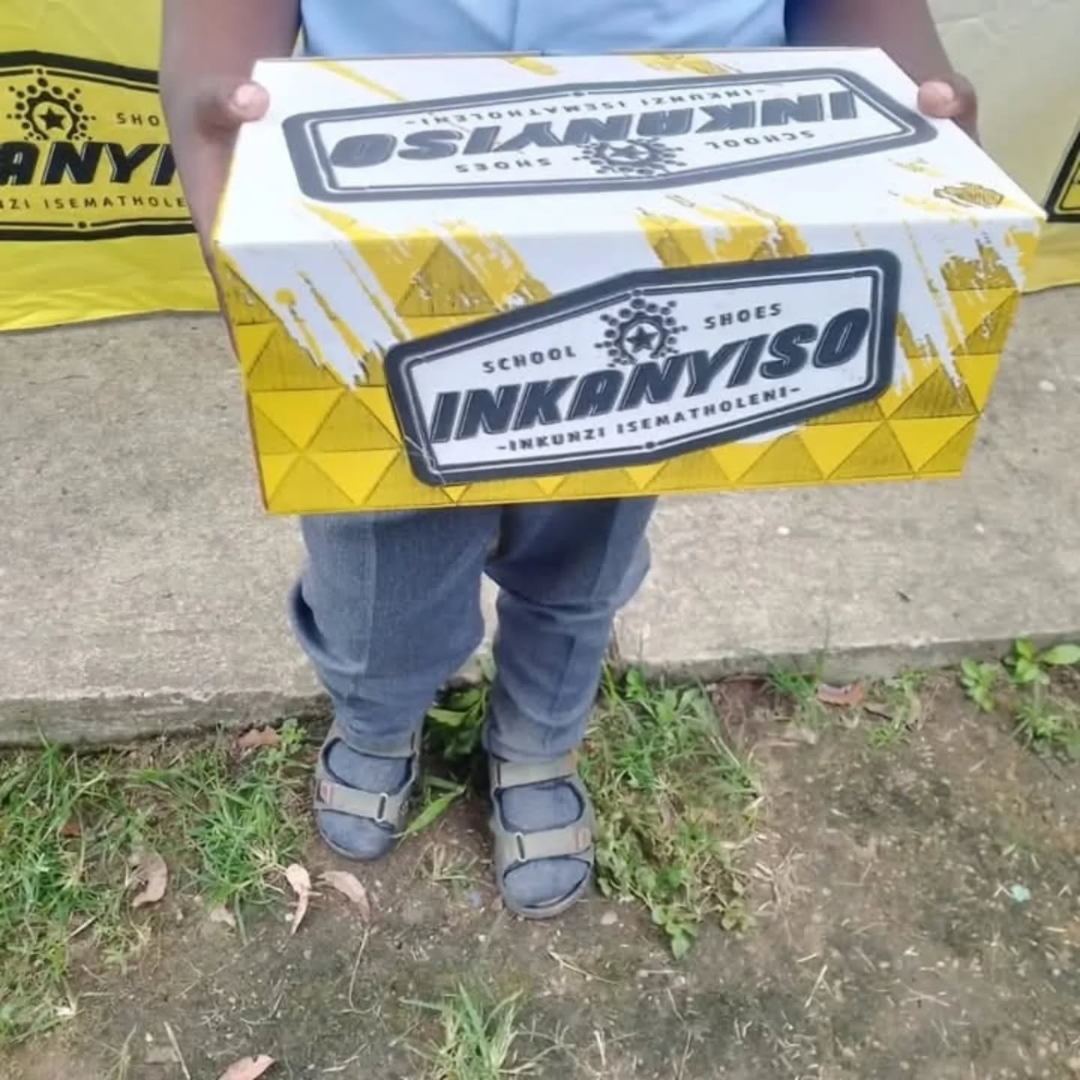
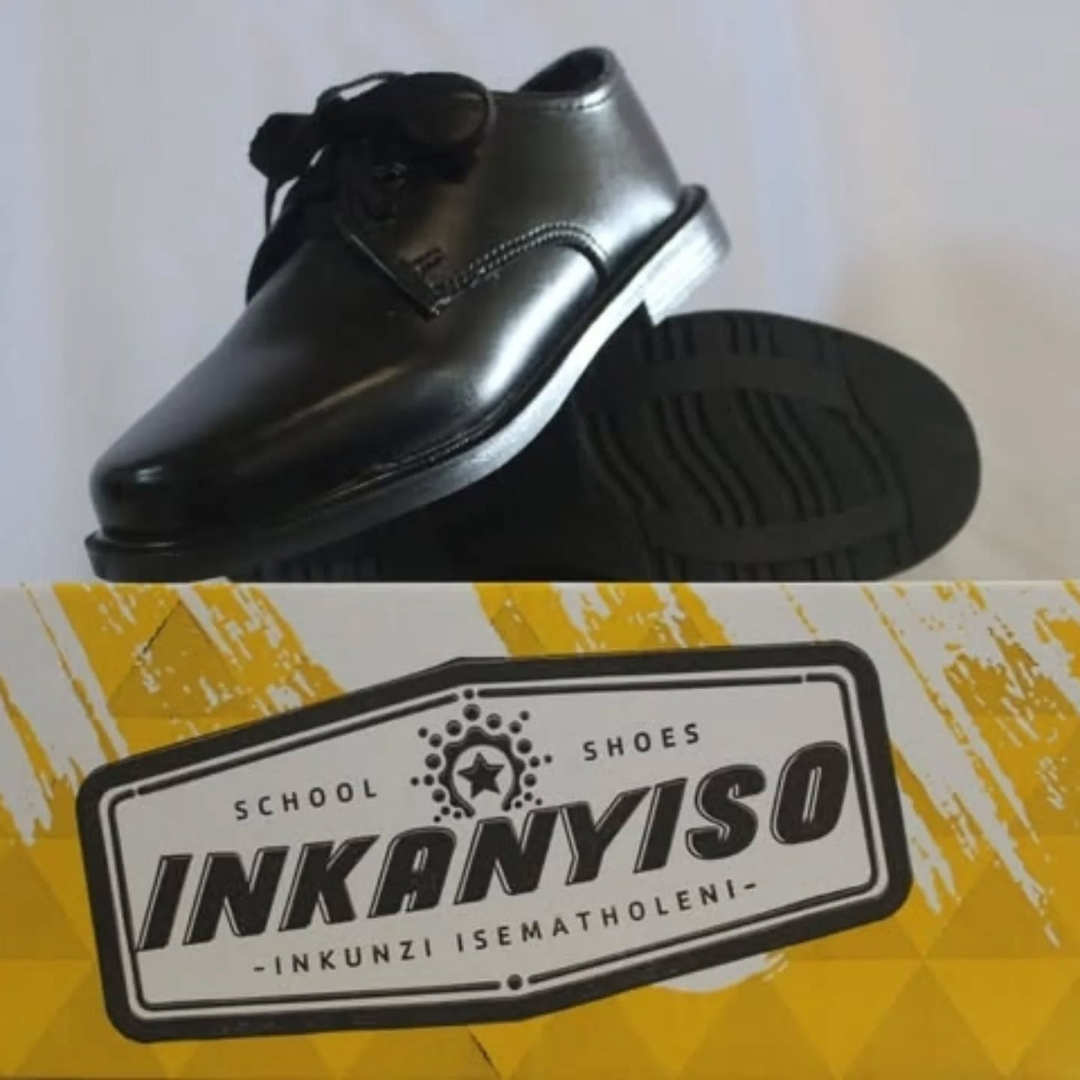
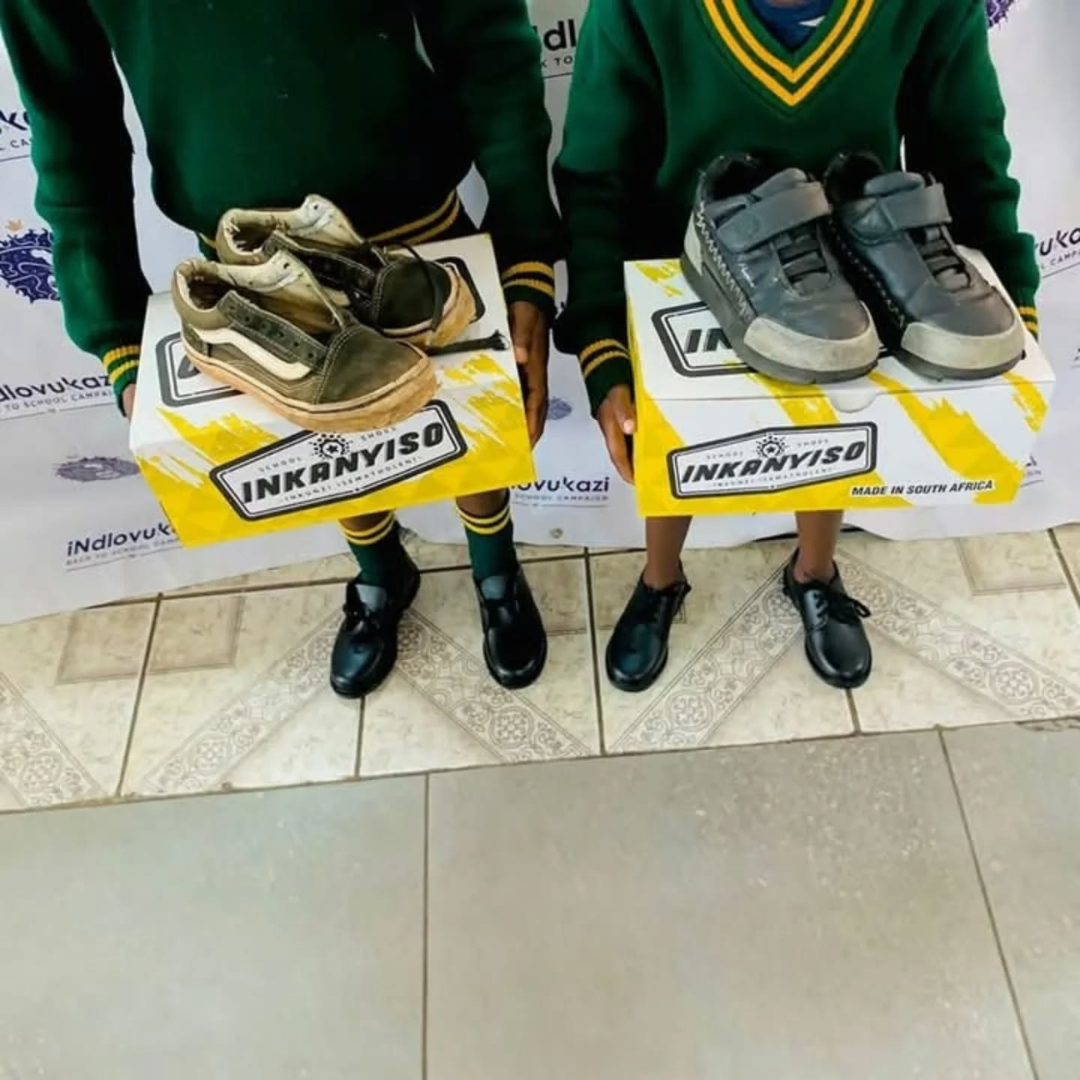
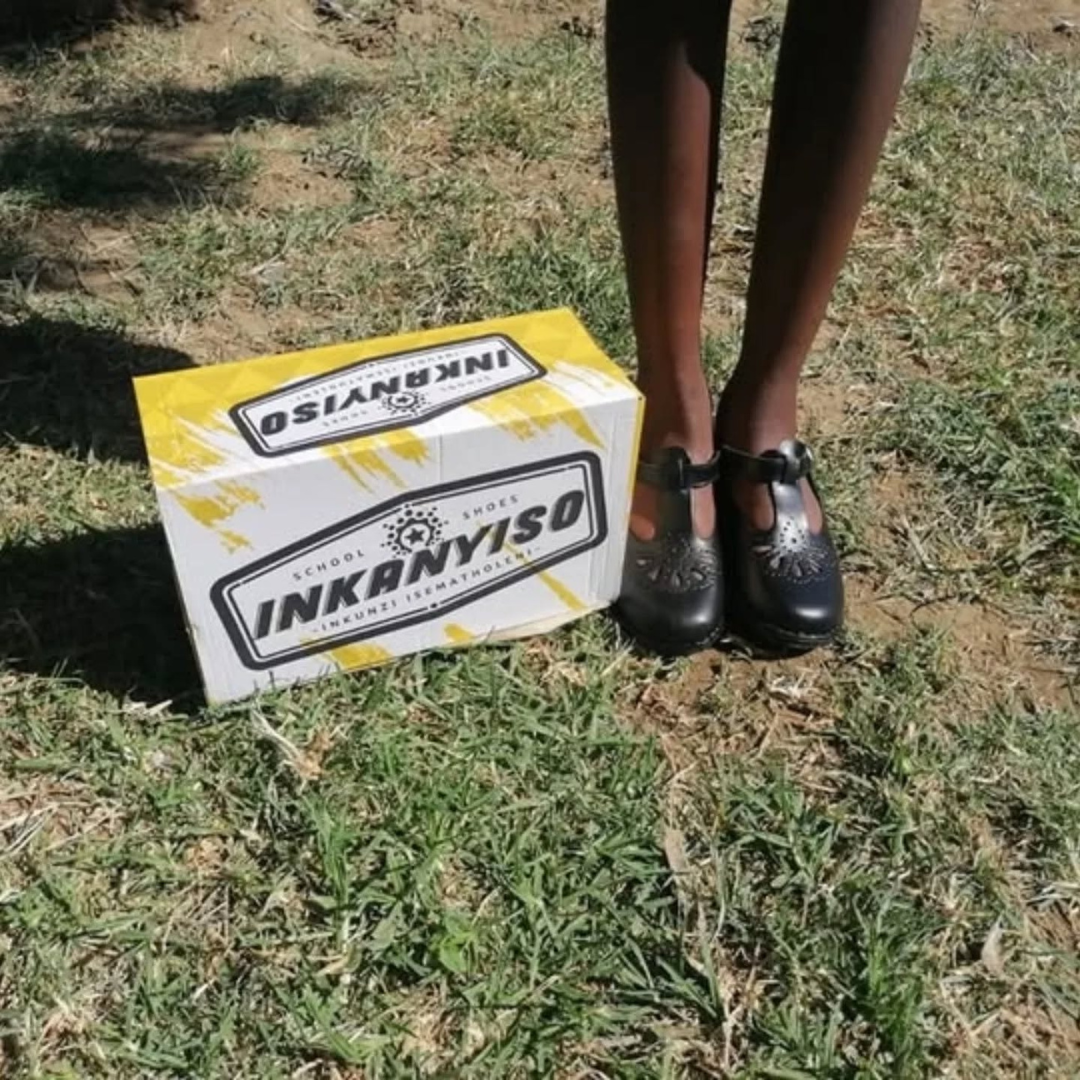
Inkanyiso works with individuals, community leaders and businesses to make locally sourced, proudly South African school shoes and gift them to children in need. Its website reports that it has gifted shoes to 12,800 children across 31 under-resourced schools. The effect, in the children’s own words, is simple. As one ten-year-old student says, “I come to school every day now.” Teachers describe the confidence that follows, with children presenting in assembly, taking part in class and polishing the shoes they now take pride in. And because the shoes are made by local manufacturers, each pair also supports jobs in South Africa.
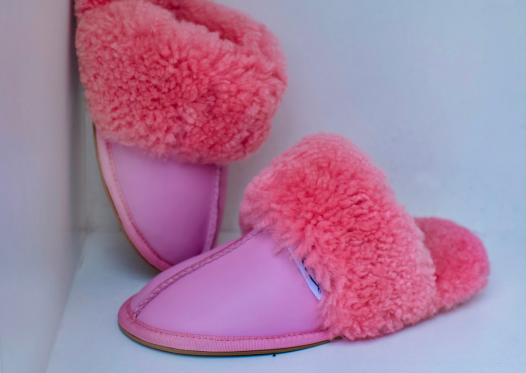
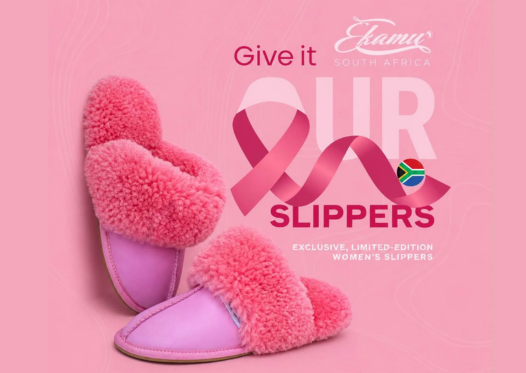
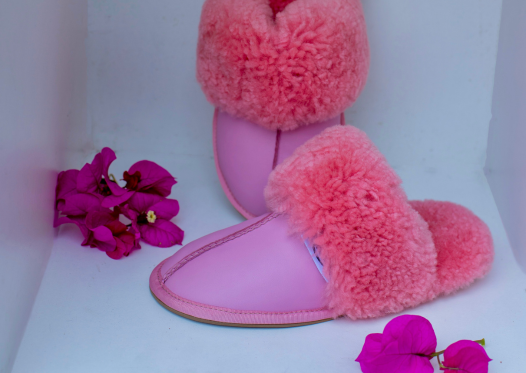
Ekamu’s care also extends to its neighbours. For Breast Cancer Awareness Month, the brand created an exclusive limited-edition pink slipper for women, in the belief that comfort can become “a gesture of kindness” and a meaningful gift to another woman. A portion of each sale goes to the cancer department at Hlangesizwe Community Health Centre in Mpumalanga Township, Hammarsdale. Customers can buy a pair for themselves or gift one to a clinic patient, and Ekamu will arrange delivery to the clinic alongside the funds raised. It is a thoughtful way to stand with women fighting cancer, honour those lost and celebrate survivors, and it’s happening this month.
Ekamu has also taken its story beyond South Africa, introducing its craftsmanship to customers and buyers internationally, with a dedicated store for the US. But wherever the products travel, the brand says its identity stays rooted at home.
Ekamu is more than a footwear and lifestyle brand. It shows that purpose and premium craftsmanship can be part of the same story, and that a business can be measured by the lives it touches as well as the products it sells. Each pair carries something of where it comes from: the hands that made it, the community behind it and the continent that inspires it.

