Move People, Move The World and #doDifferent
We all know that sinking feeling. The alarm goes off at 4am, and before the day has even begun, the battle has started. A taxi that may or may not arrive. A long walk in the dark to a bus stop. An unpredictable commute that costs a small fortune and steals hours from an already stretched day. For millions of South Africans, this isn't a bad morning - it's every morning.
Now imagine an app that changes all of that. One that picks you up from your front door, gets you safely to work and back again, costs a fraction of what you'd spend on a car, and - while it's at it - is working to reduce the country's carbon footprint and bridge the inequality gap. That's not a fantasy. That's LULA.

Enter LULA, a Cape Town-born mobility platform with a mission as bold as the problems it's solving. They're not just connecting commuters to shuttles - they're connecting people to economic opportunity, dignity, and a more sustainable future.
Every great South African story starts with a problem worth solving. LULA's began in the mind of Velani Mboweni, a self-described problem-solver who had been wrestling with the transport challenge since his university days. Travelling between cities around the world, he noticed something: in London and New York, getting around was a joy. In Johannesburg and Harare, it was a daily battle. And he knew, with absolute clarity, that transport access and economic access were the same thing.
says Mboweni.
Brainstorming started as early as 2014. The first idea - a business-to-government service - didn't fly. Money ran out. Mboweni was on the verge of walking away entirely when a group of his university friends, all medical doctors, pooled together just under R1 million and told him to keep going. He was, they pointed out, the only one in the friendship group with any commercial know-how. That early vote of confidence may well have changed thousands of South African lives.
Fast-forward to 2018, when LULA was accepted into Startupbootcamp AfriTech in Cape Town - the year Mboweni calls the moment LULA truly became a business. A pivot followed: instead of trying to work with government, LULA would move groups of everyday people from home to work and back again, using private vehicles from existing operators with excess capacity. Simple. Elegant. Urgently needed.
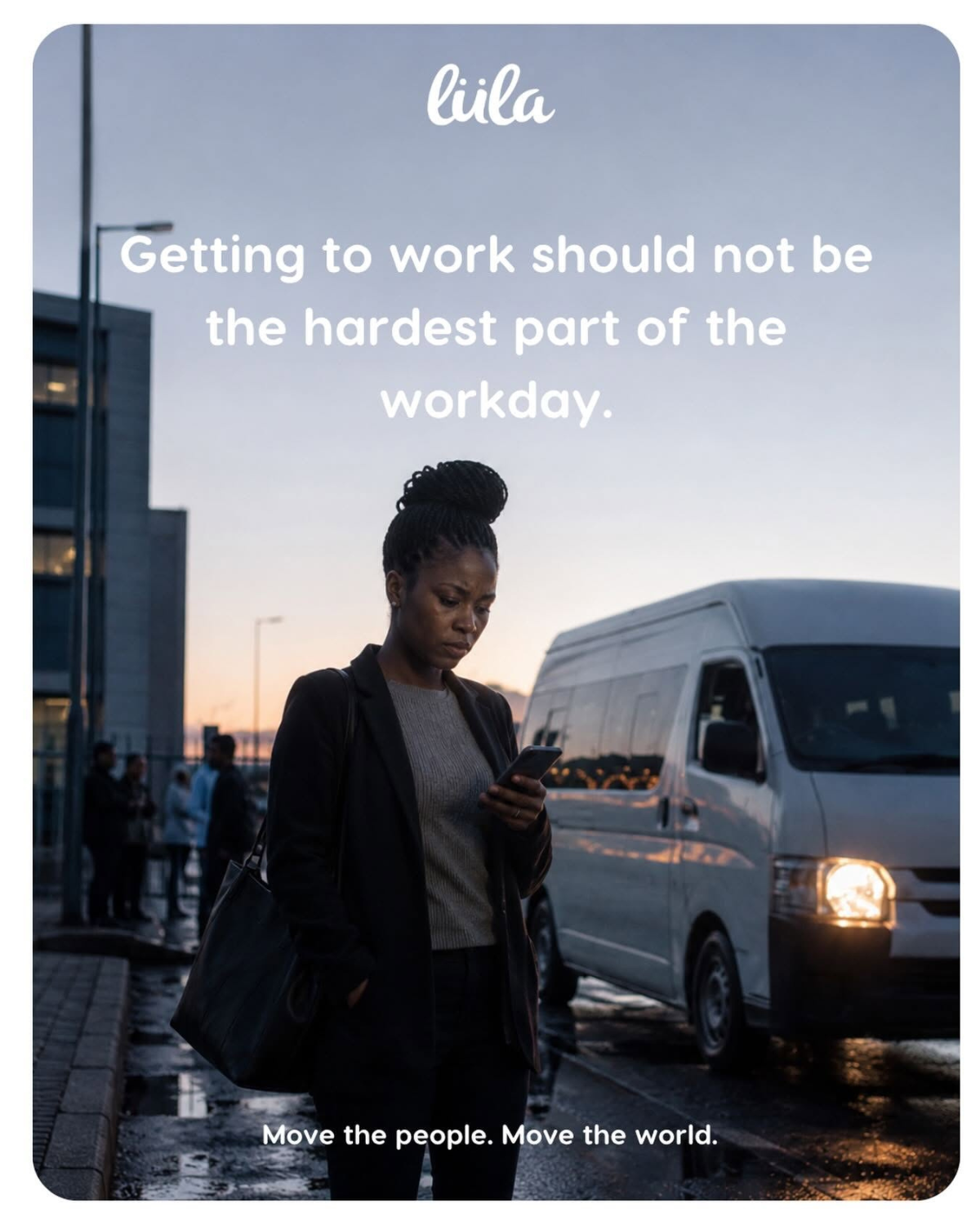

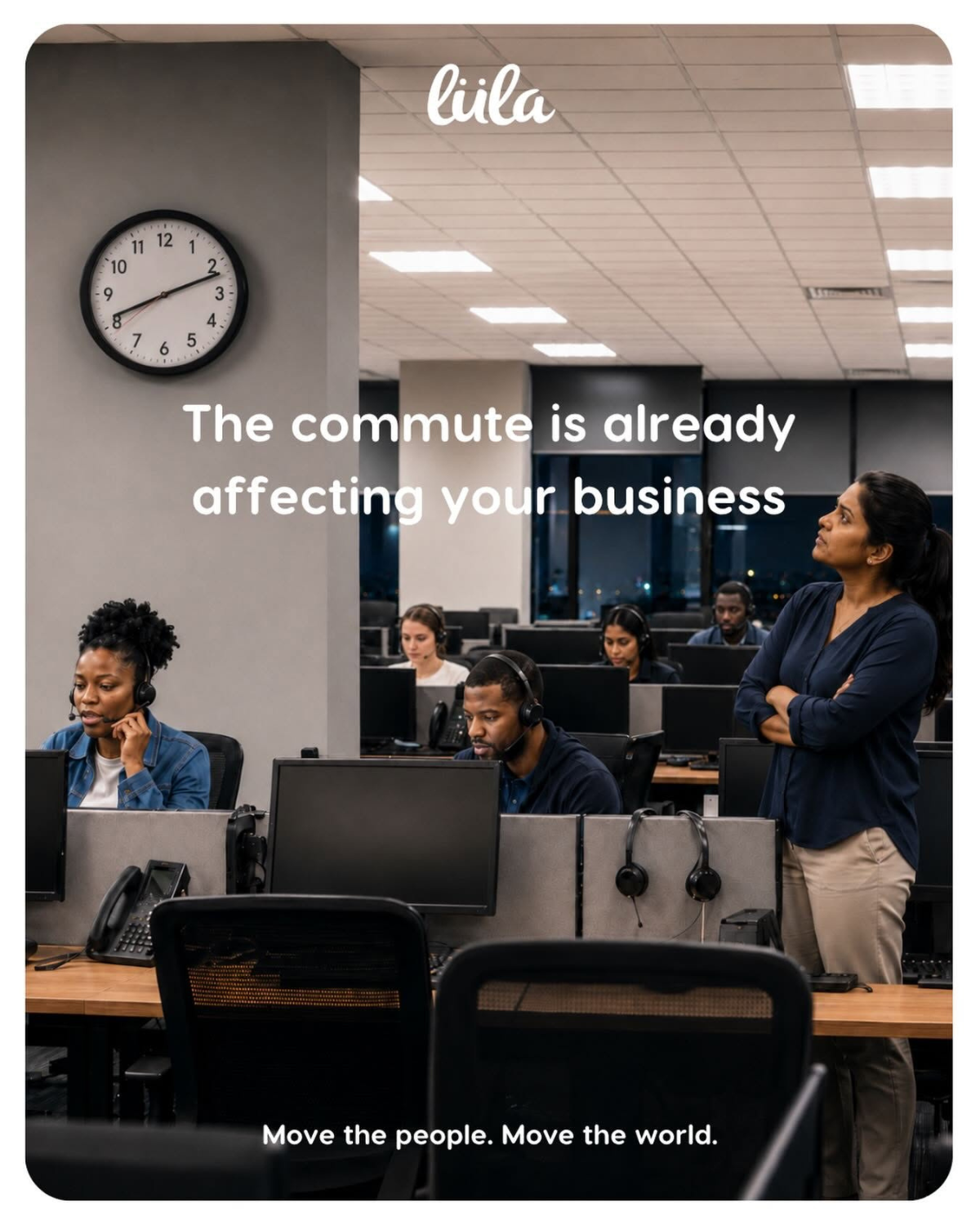
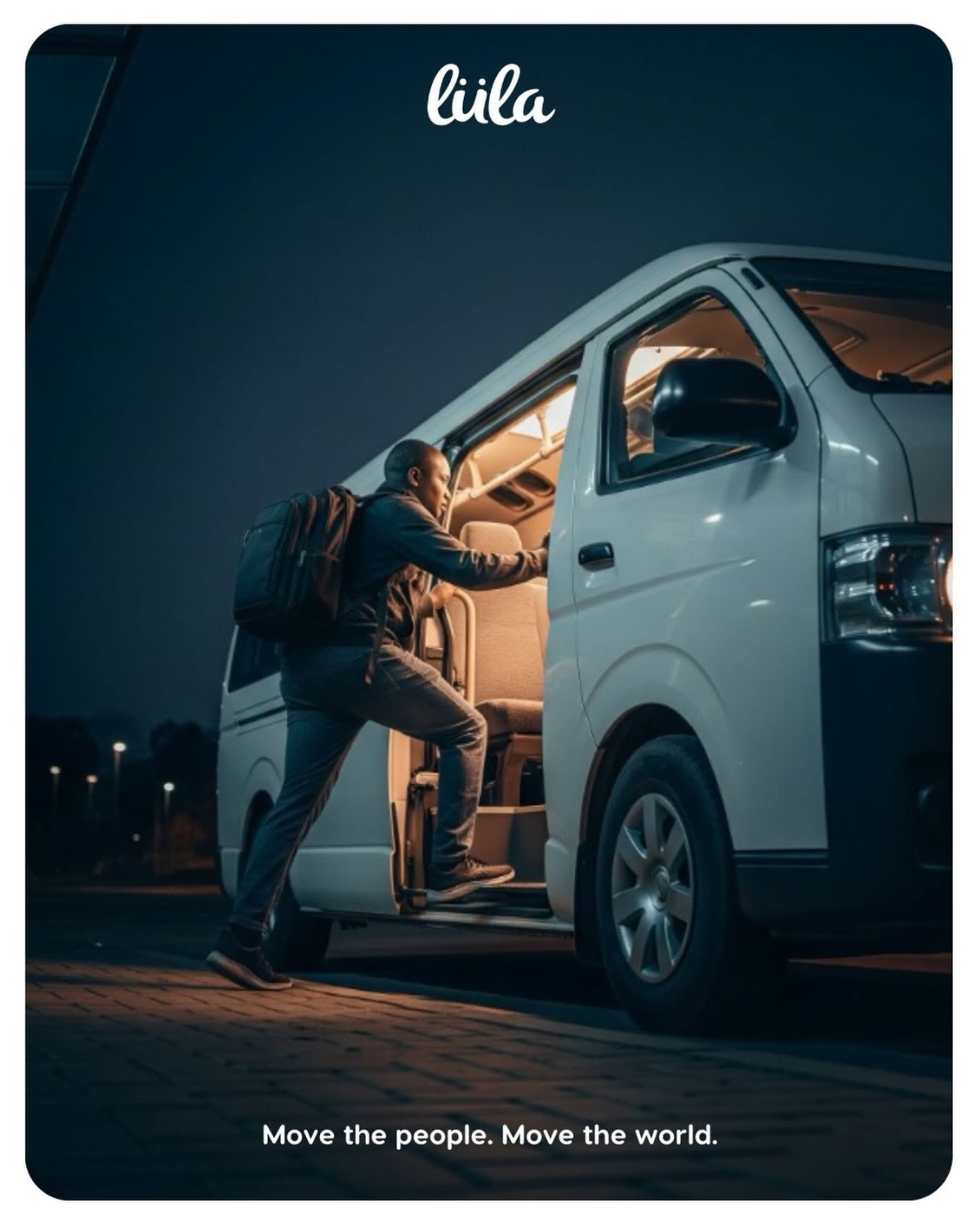
The LULA model is clever in its design. LULA doesn't own a single vehicle. Instead, it partners with verified third-party shuttle operators and independent drivers, who use a dedicated driver app to pick up passengers along optimised routes. Commuters use the LULA app to book, pay, and track their ride in real time. Businesses cover the cost of their employees' commutes, organised through a dedicated employer dashboard.
The door-to-door service is the key. Ride-hailing apps often won't service the neighbourhoods where ordinary South African families live. Executive shuttles are out of reach. LULA was built precisely for the gap between those two worlds - and it's a gap that, for too long, has been the gap between a job and no job.
The ripple effects go further than punctuality. South Africans are spending up to 40% of their income on getting to work. When a business takes on their employees' commuting costs through LULA, it is, in Mboweni's words, "essentially giving their staff a raise." And in a country where public transport all but shuts down between 6pm and 6am, for businesses running call centres or back-office operations, getting staff safely home is not a nice-to-have - it is the entire operation.
LULA's very first paying customer - one they had no personal connection with - was Pixelfaerie, a back-office services company. LULA started collecting their staff at 4am in Mitchells Plain, transporting them to offices in Cape Town. That's not just a logistics solution. That's someone's livelihood, made possible.

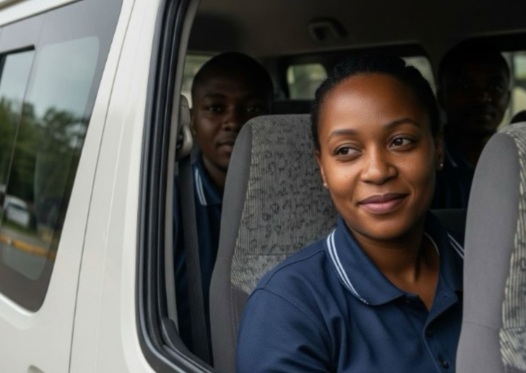
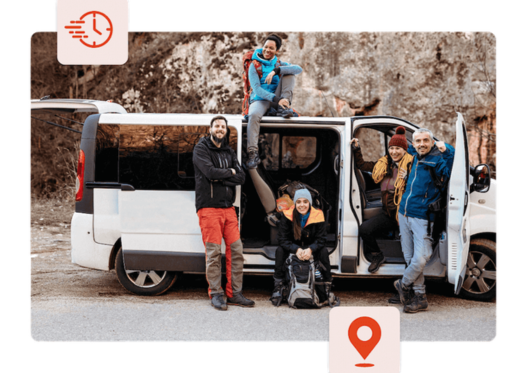
Today, LULA operates across five cities in South Africa and has completed over 700,000 rides for more than 380 businesses. The client list has grown to include names like Yoco, Luno, and Mama Money - companies in Cape Town's thriving tech ecosystem that understand exactly why reliable, affordable staff transport is part of being a good employer. From two weeks between first meeting and first ride with Yoco, to a portfolio of hundreds - LULA has earned its place.
In July 2024, LULA made a landmark move: acquiring the South African business of UK-based staff transport company Zeelo. The deal brought additional contracts, cost savings, and - crucially - a pathway to profitability. LULA is now on track for between R90 million and R100 million in annual revenue and is positioned to raise a Series A round. That matters not just for the business, but for every driver, operator, and commuter whose livelihood runs through the platform.


Over 1,000 drivers and shuttle fleet operators are currently registered with LULA, earning income by putting their vehicles - and their time - to work.
The ambition doesn't stop at South Africa's borders. LULA's vision is pinned to a simple, sweeping truth: by 2025, over 100 African cities will have populations of more than a million people each. The continent is urbanising faster than anywhere else on earth, and it is heating up 1.5 times faster too. Reliance on single-occupancy cars and crumbling public transit infrastructure won't serve that future. LULA is betting on a different path - one built around shared mobility, technology, and what they call a #ZeroCarbonFuture.
By replacing multiple individual car trips with a single shared shuttle, LULA is reducing congestion, cutting emissions, and demonstrating that building infrastructure for Africa doesn't mean copying the West - it means designing something better.
Whether it's an entry-level employee in Mitchells Plain catching a 4am pickup, a sales team needing a full-day driver, or an executive requiring an airport transfer, LULA's platform serves every tier of a business - and every tier of a city.
If you run a business and you're serious about staff wellbeing, productivity, and retention - or if you're a driver or fleet operator looking to put your vehicle to work - LULA is worth knowing about.
And if you're simply a South African who believes that where you live should not determine what you can access: so does LULA.

