It Takes a Village to #doDifferent
There's a particular kind of quiet that settles over you when you watch a baby elephant sleep - trunk curled, ears twitching, utterly defenceless in a world that has already tried to take everything from it. Now imagine that same small elephant growing up surrounded by carers who know its favourite blanket, a herd of rescued elephants ready to adopt it as family, and a whole community of South African women, students, and conservationists whose livelihoods are woven into its survival. That's not sentimentality. That's HERD.

Enter HERD - the Hoedspruit Elephant Rehabilitation and Development Trust - South Africa's first dedicated elephant orphanage, and a project with a mission far bigger than the fence line around it. They're not just raising elephants. They're raising hope, careers, and a whole ecosystem of people looking after each other.
Every great South African story starts somewhere modest. HERD's began in 1997, when a four-month-old calf named Jabulani was found abandoned and stuck in a silt dam. His rescue could easily have been a single, small act of kindness. Instead, it became the seed of a lifelong mission.
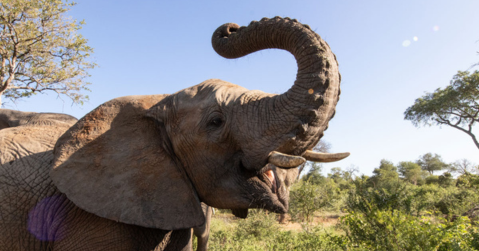
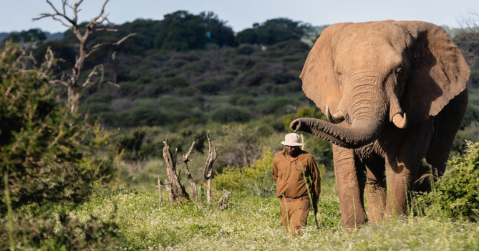
In 2002, a herd of orphaned elephants relocated from Zimbabwe during the land reforms arrived in South Africa, and their matriarch, Tokwe, welcomed Jabulani in. A new, blended elephant family was born.
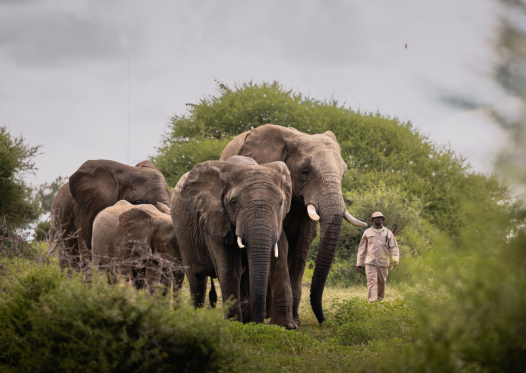
Fast-forward to today, and that family - now known as the Jabulani herd - is home to 15 elephants. Eleven are orphans, rescued and nurtured back into belonging. Four were born into the herd itself, proof that the bonds here run deep enough to raise the next generation. HERD Orphanage officially opened in 2019 alongside the Jabulani homestead, and in 2021, the herd, the orphanage, and the homestead came together under the HERD Trust, a registered Public Benefit Organisation built to carry this work forward for good.
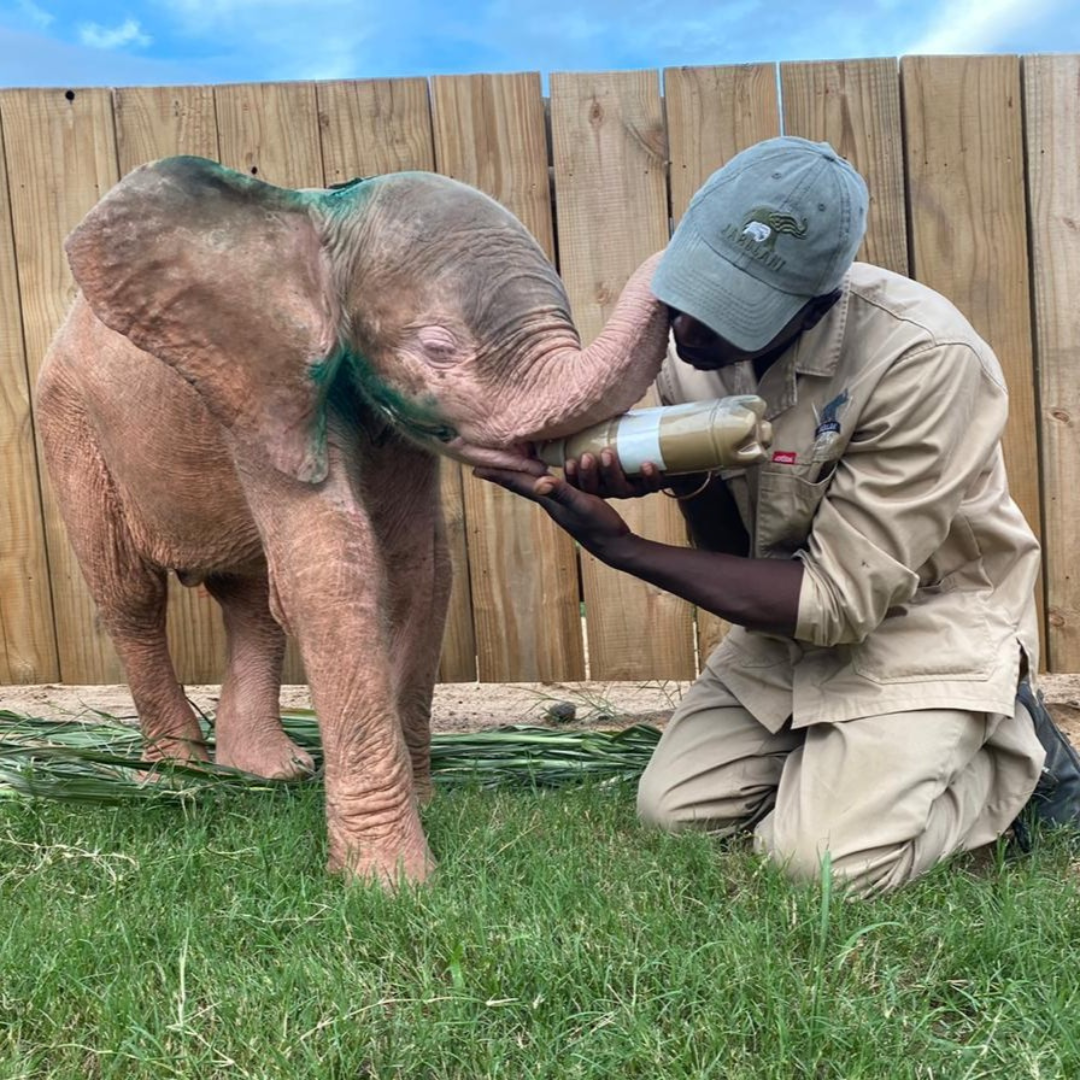
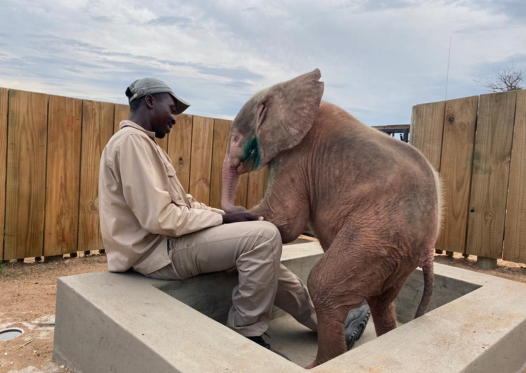
Some of the herd's stories are impossible not to fall for. Khanyisa, a rare albino calf, arrived after being caught in a wire snare - severely injured but full of spirit. She found healing at HERD alongside her two sheep companions, Lammie and Nungu, who never left her side. Timisa was found wandering alone after her mother succumbed to South Africa's harsh 2016 drought. Kumbura was discovered near a riverbank on a private reserve in Botswana, orphaned and vulnerable, and became the first calf after Jabulani to be fully rehabilitated into the group. Each one arrived with nothing. Each one now has a herd.
But what makes HERD remarkable isn't only what happens inside the boma - it's how far the ripples travel outward.
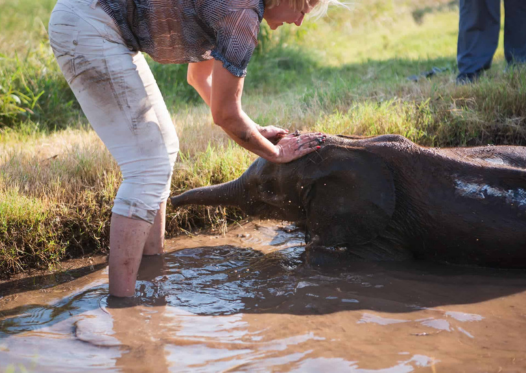
Behind every calf's recovery is a team HERD calls its "human herd" - carers who work day and night to give each elephant the nurturing, companionship, and protection it needs. Many of these carers come from the local Hoedspruit community, and HERD is deliberate about treating that employment as more than a job. It's a career, built through years of training and upskilling, with people working their way from junior roles into real expertise.
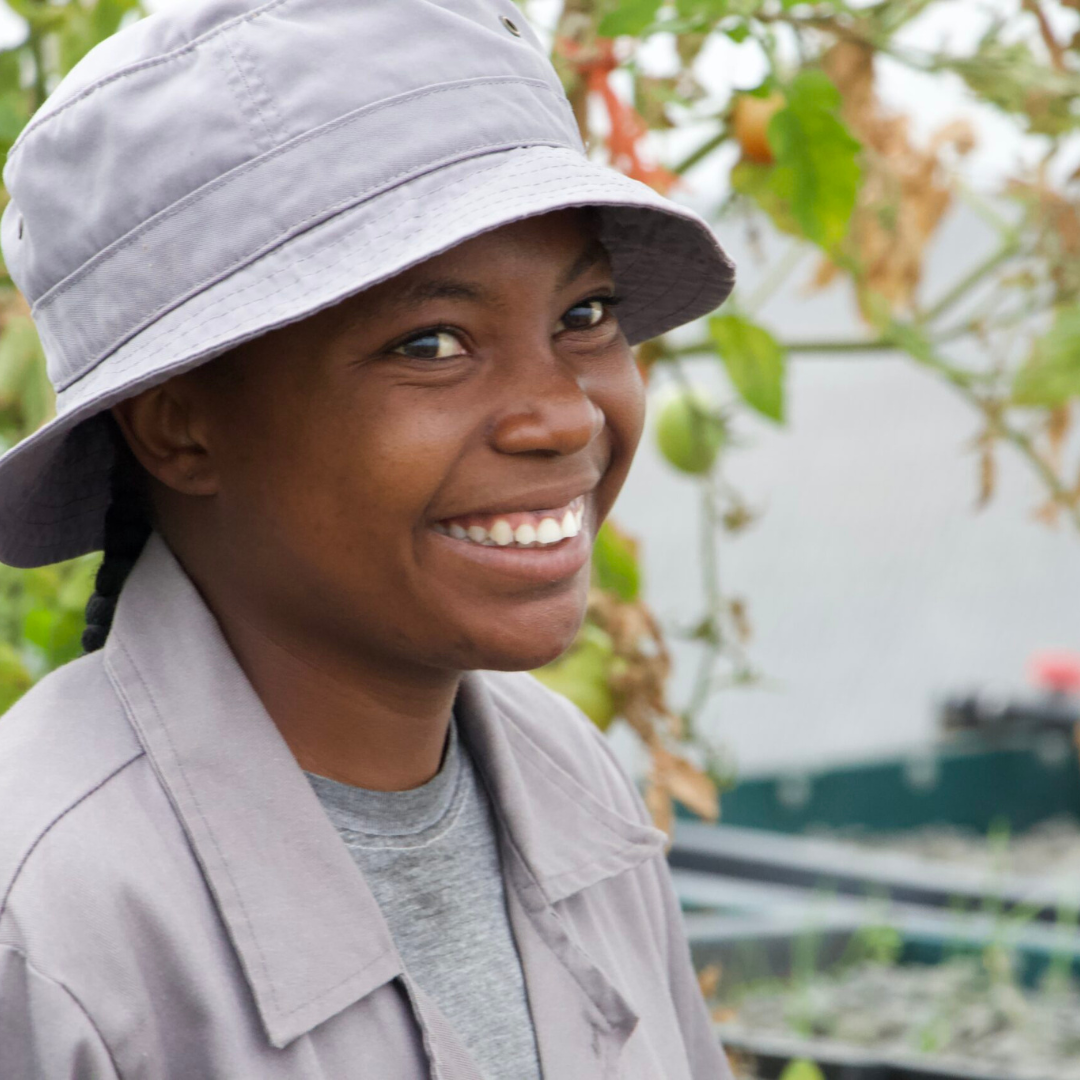
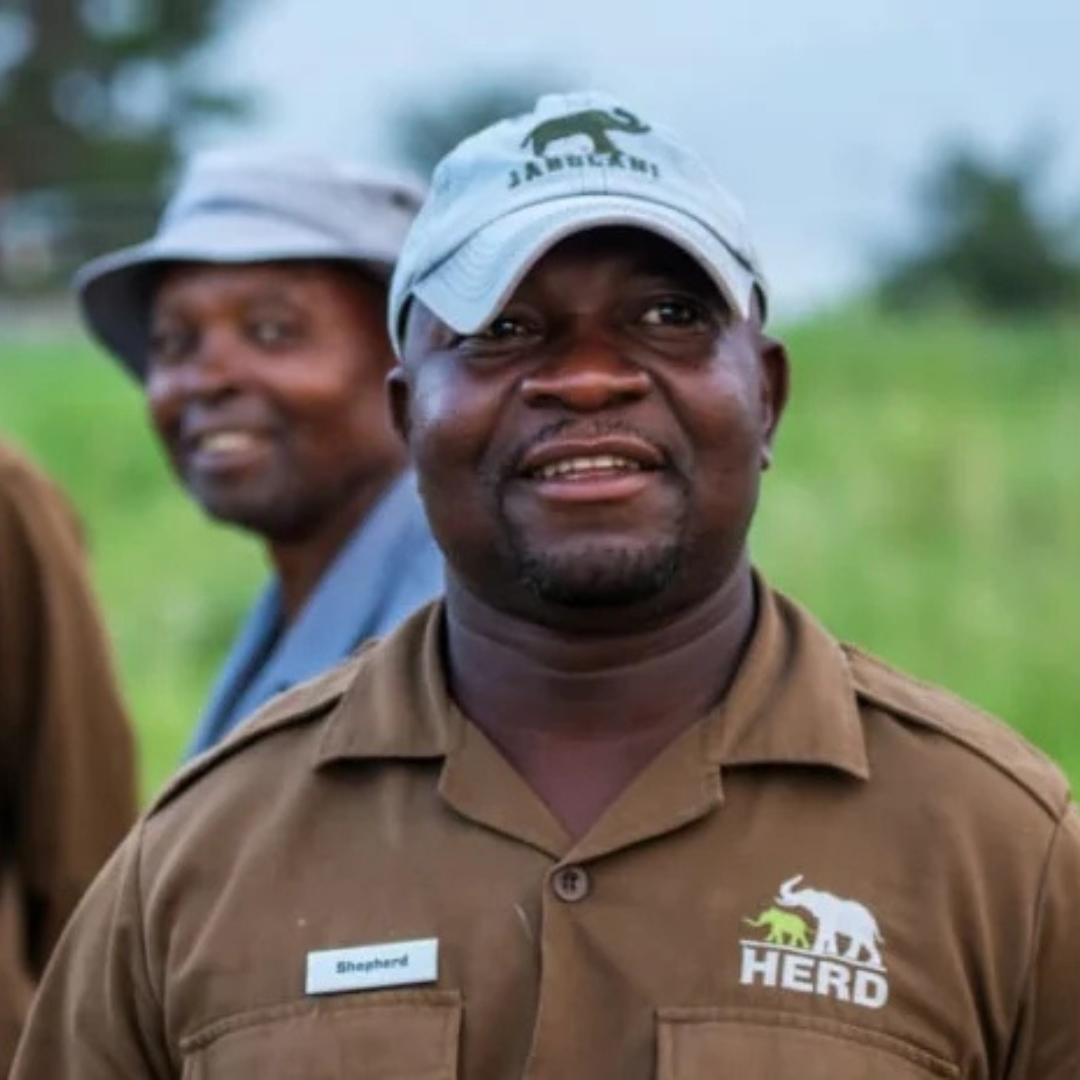
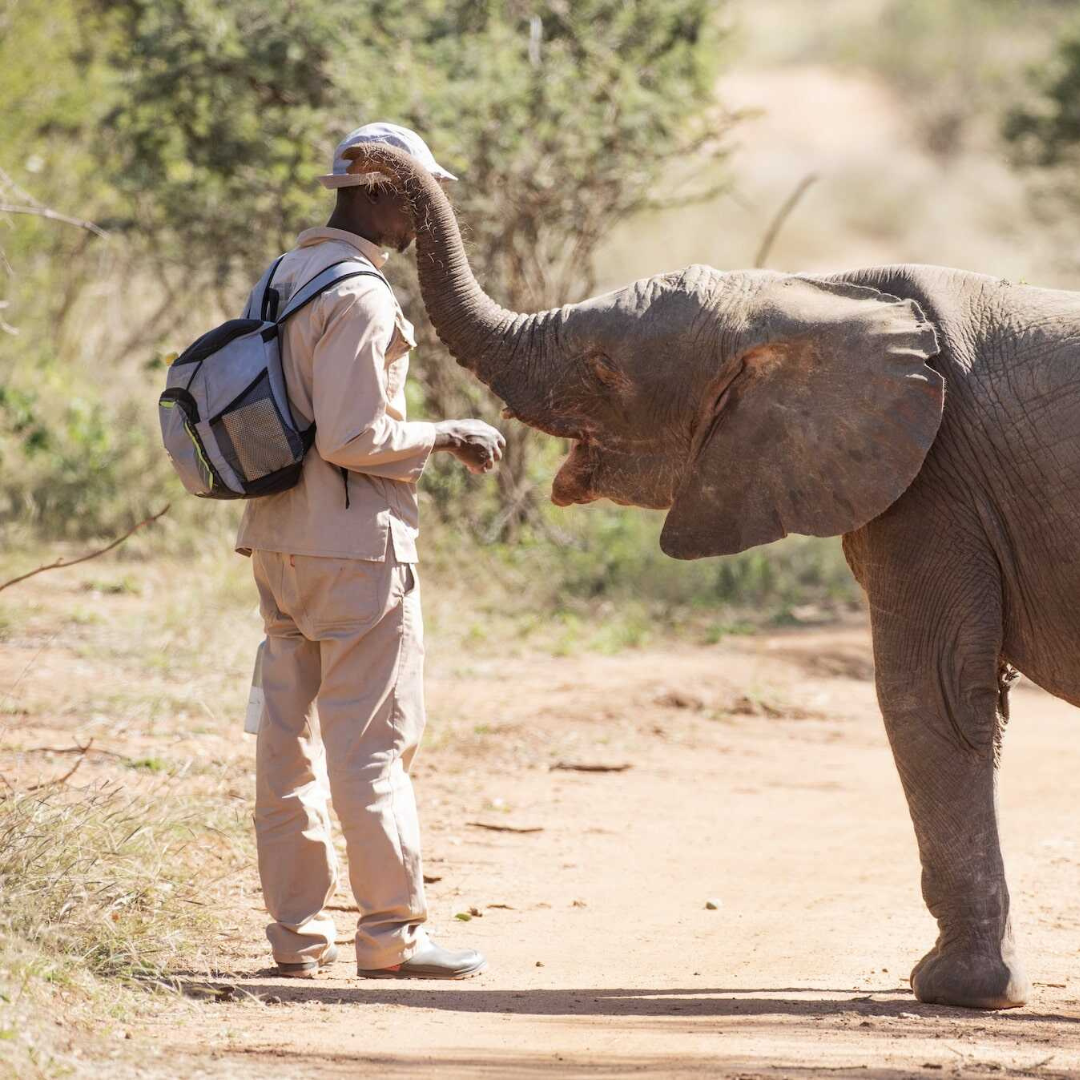
Khensani Ngobeni became HERD's first female elephant carer, and today she also represents HERD at Mpisi Primary School - the school closest to where many of the carers live - running environmental education programmes and building relationships with teachers, students, and parents. It's community leadership as much as conservation work: young people growing up understanding elephants not as something far away on a screen, but as neighbours worth protecting.
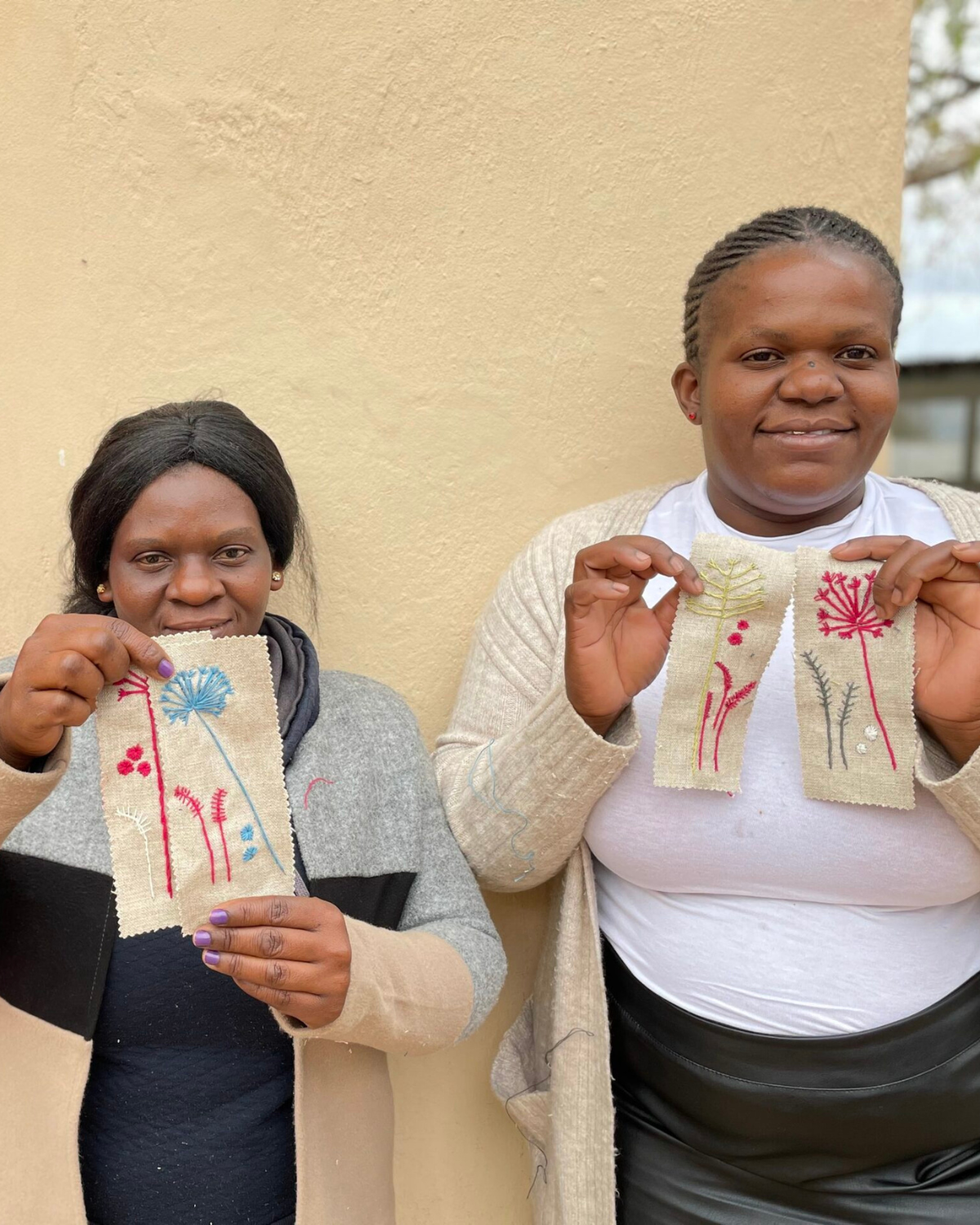
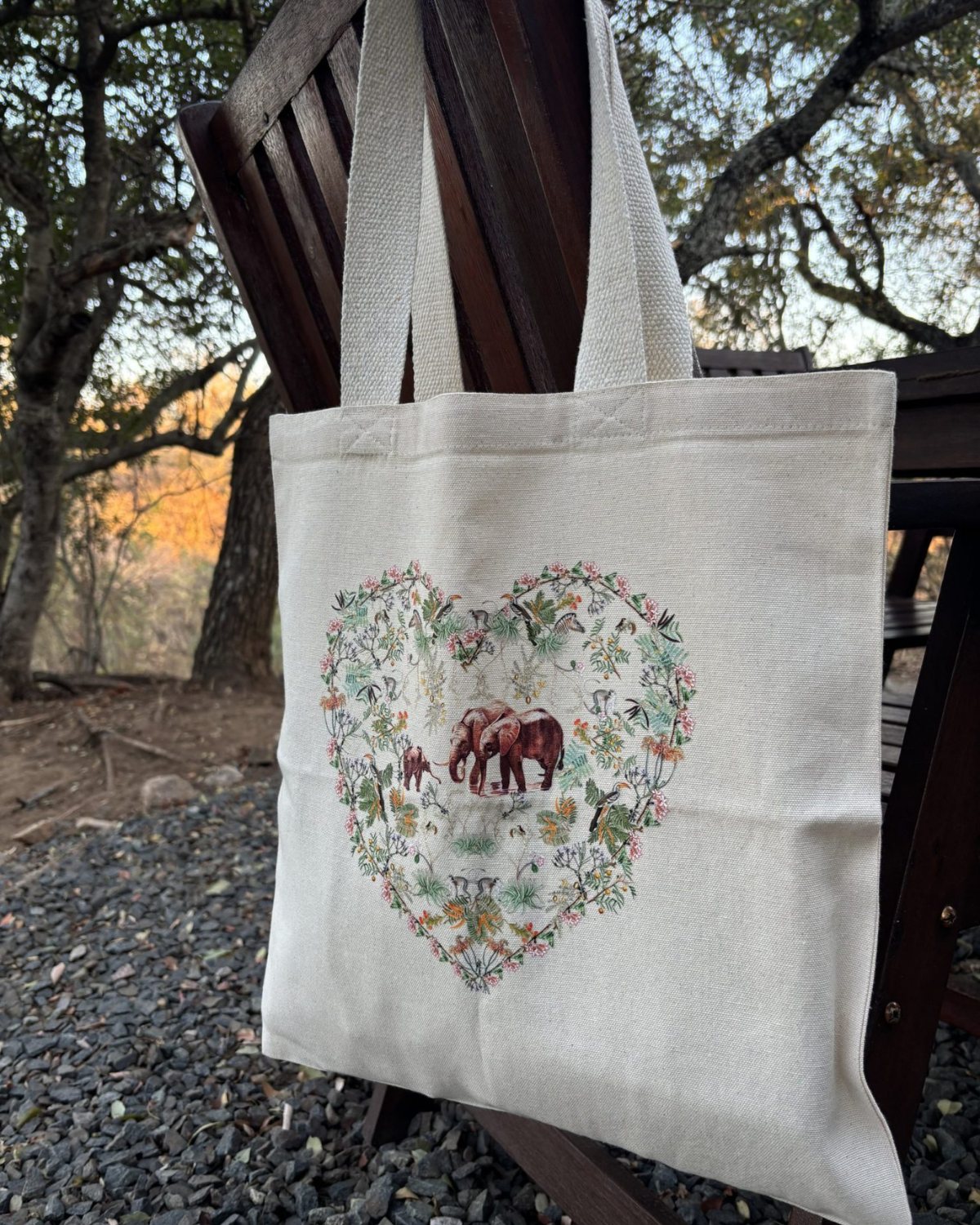
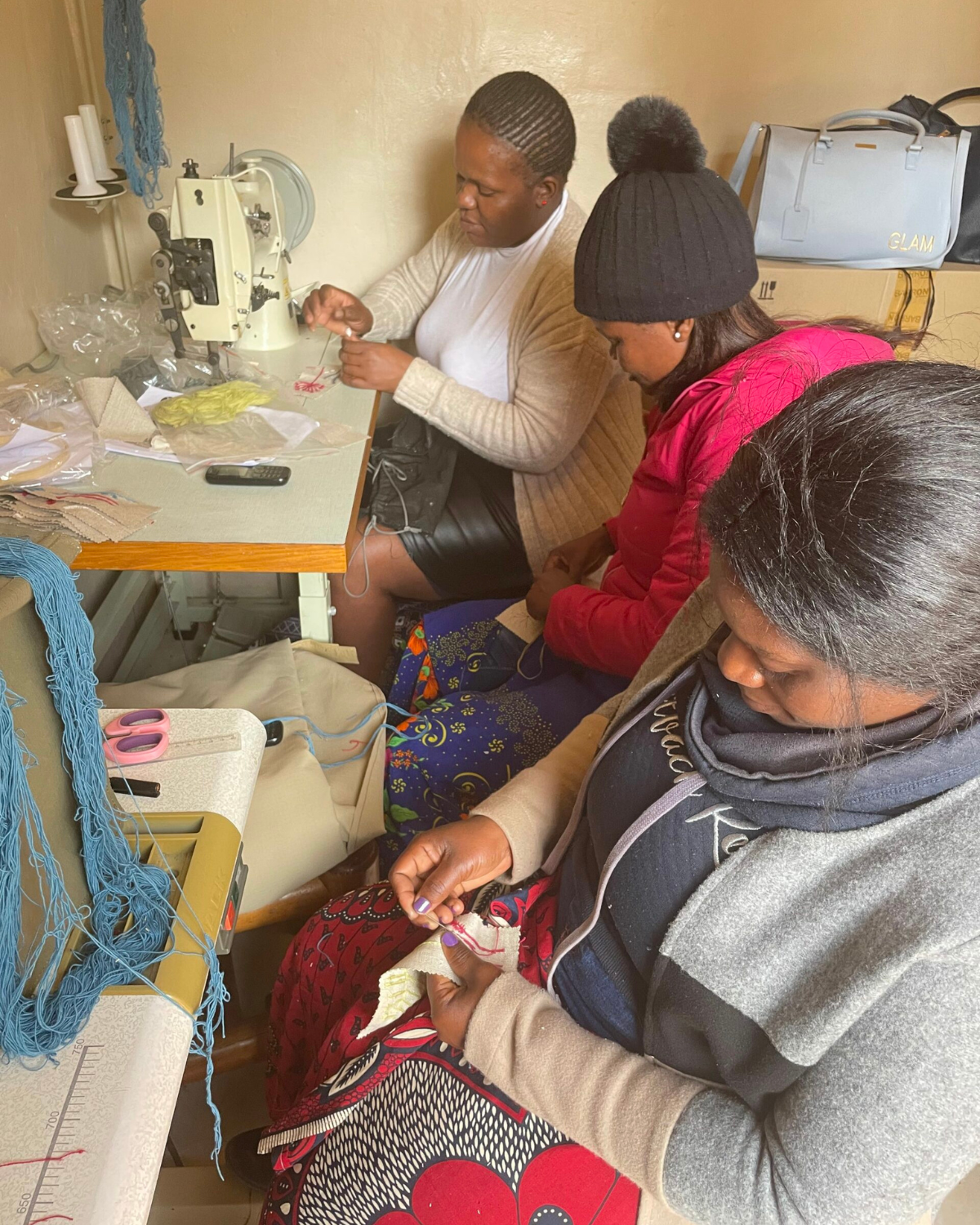
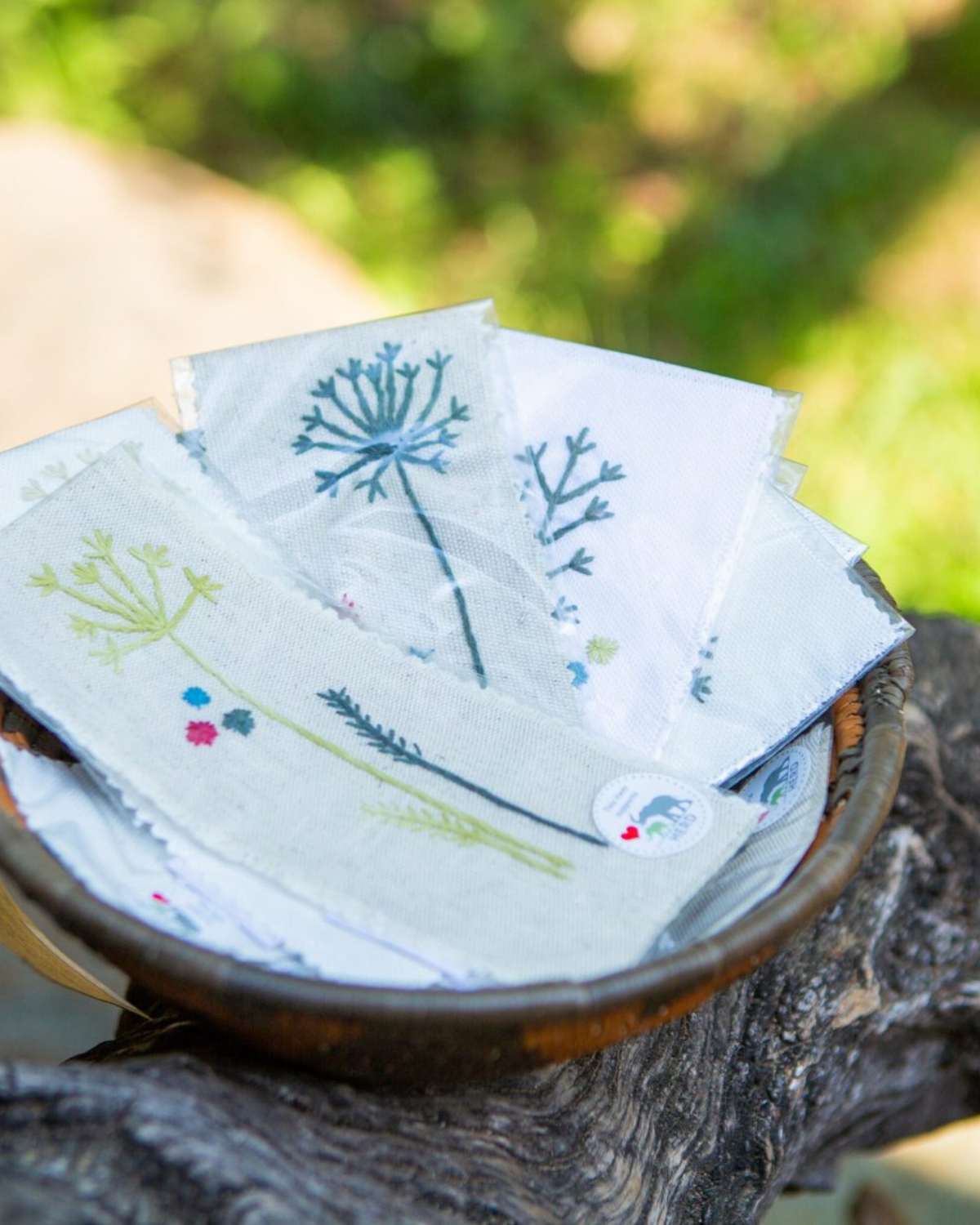
In 2020, in response to the economic strain of COVID-19, HERD launched the JabuLadies initiative - a project built to empower local women through income and skill. Under the guidance of long-time employee and ambassador Miriam Mahladisa, women from the Hoedspruit community are trained in crafts like embroidery and elephant dung paper-making. HERD then purchases the finished, handmade pieces, markets them, and sells them on to supporters around the world.
It's a small, closed loop with an outsized effect: real income for women who need it, real skills that stay with them for life, and a beautiful, tangible product that carries a piece of the herd's story into homes far from Hoedspruit.
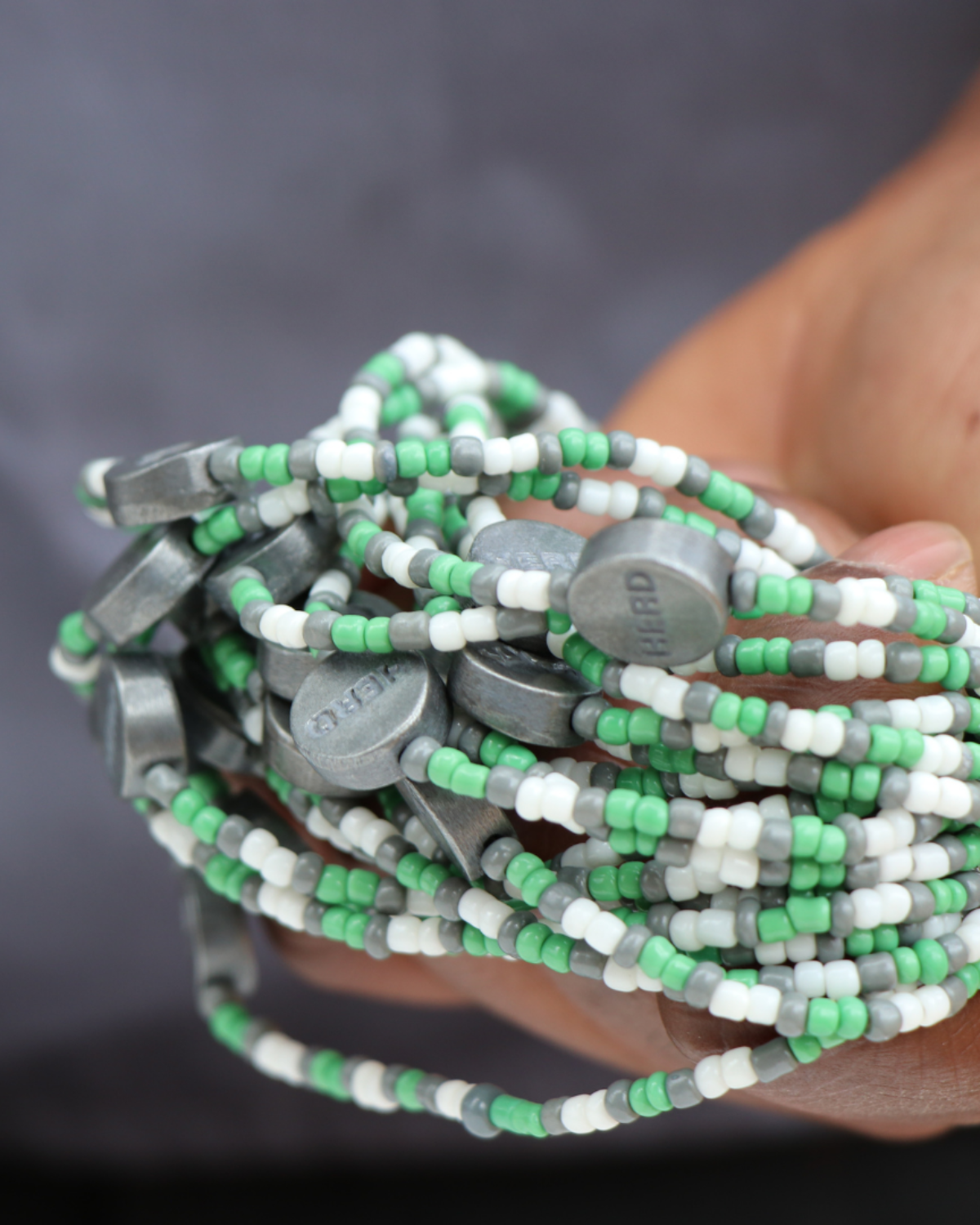
If there's a thread running through everything HERD does, it's this: very little at the orphanage is allowed to be waste. Elephant dung - produced in impressive quantities by a herd this size - is repurposed into soap and paper through the JabuLadies project, used as fertiliser, donated to local eco-village gardens that feed children in need, and even used to help fill potholes and combat erosion. It's also fed to new orphans, since the dung of older elephants helps their fragile digestive systems adjust.
On-site, a wormery run using elephant dung and Jabulani Lodge's kitchen scraps produces vermicompost and vermitea that feed HERD's own bana grass plantation - grown specifically to help feed the herd through the dry season. That plantation has grown from 20 rows in 2016 to 80 today. An aquaponics system supplies fresh produce for staff and guests while recycling water in the process. Even pest control is handled sustainably, with resident wild cats doing the job instead of poisons that could harm the land or the animals living on it.
HERD has also committed to a 50-hectare land management project, clearing invasive species and reseeding with indigenous grasses to help the reserve recover from decades of pressure - restoring the ground the whole ecosystem, wild and rescued alike, depends on.
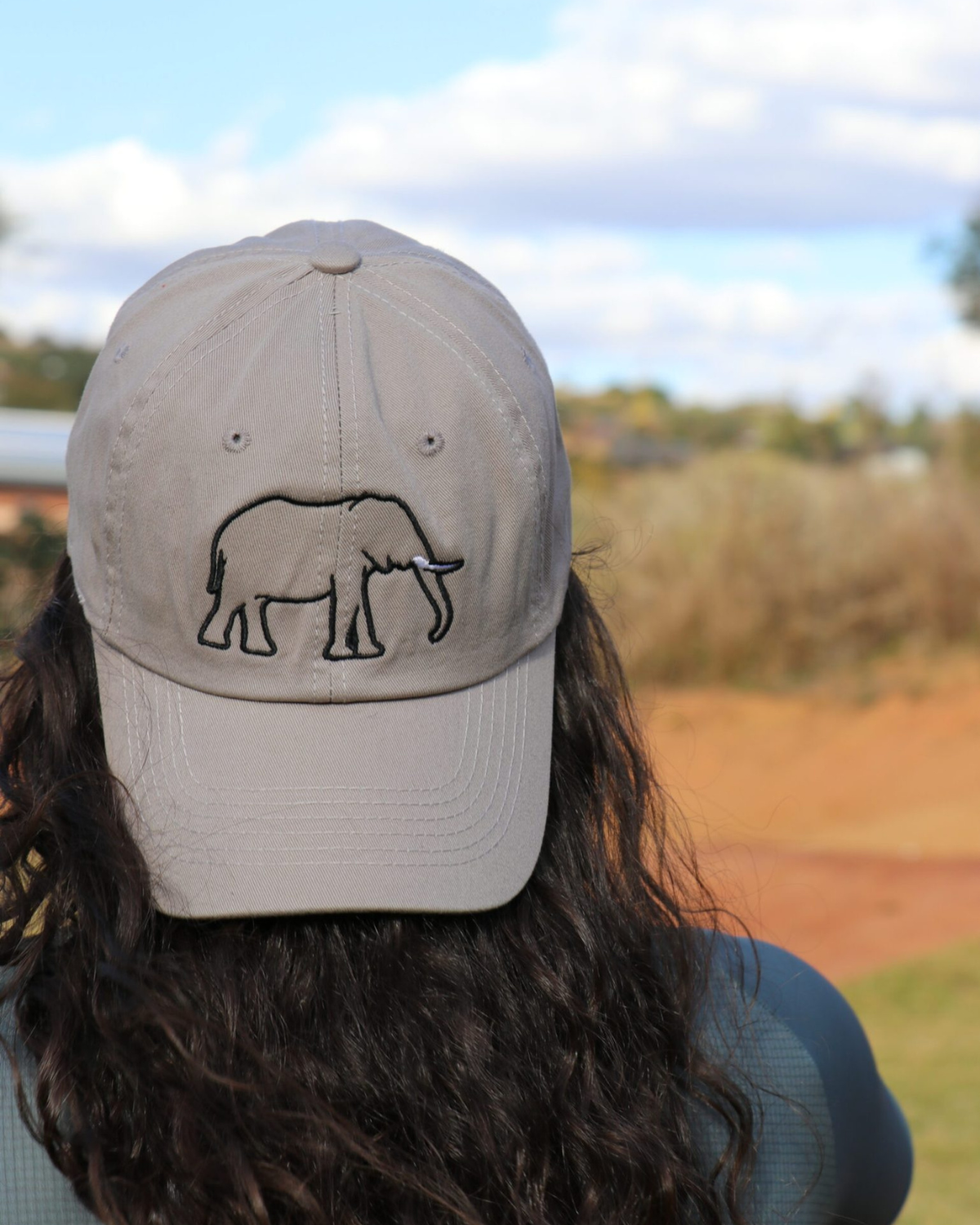
By supporting HERD - whether through adopting one of the elephants, buying a piece of JabuLadies embroidery, picking up a cap or cycling shirt from their shop, or simply making a donation - you're directly funding elephant carers' salaries, community education at Mpisi Primary School, land restoration on the reserve, and a small but determined group of South African women building new careers out of thread and elephant dung paper.
You can adopt an elephant, leave a legacy gift, start a fundraiser, or visit in person - either as an overnight guest at Jabulani Safari Lodge, or as a day visitor joining the Elephant Moments team at sunrise to meet a few members of the herd for yourself. HERD has been recognised by GlobalGiving as a vetted, top-ranked nonprofit, so however you choose to help, you can trust it goes exactly where it's needed.
Together, let's choose differently. Let's support the organisations quietly doing the unglamorous work - the dung, the wormeries, the early mornings, the school visits - because that's where lasting change actually gets made. A world where an orphaned elephant calf can grow up with both a herd and a community behind it is absolutely the world worth building.

