The Exchange That Matters Most to #doDifferent
Think about the last time someone acknowledged you. Really acknowledged you - not just a nod in passing, but a genuine moment of being seen. Now imagine that a simple acknowledgement is the most powerful thing that could happen to you that day. That it could be the first step back from the edge of a life lived on the street.
That's the reality for thousands of people sleeping rough in Cape Town. And it's precisely where The Hope Exchange steps in.

Tucked inside a bright yellow building on Roeland Street in the heart of Cape Town, The Hope Exchange is doing something that sounds deceptively simple: restoring dignity to people who have lost almost everything. But simple is not the same as easy - and what this extraordinary NPO has built over more than four decades is nothing short of remarkable.
Every great South African story starts somewhere. The Hope Exchange's began in 1981 - originally known as The Carpenter's Shop - when a founder named Geoff Burton looked at Cape Town's homeless population and chose to act. Not to judge. Not to look away. To act.
More than forty years later, the organisation he created still bears his name on its second-phase shelter - Geoff Burton House - a quiet but profound tribute to the man who believed that every person, regardless of their circumstances, deserves to be treated with respect, understanding, and fairness.
- Geoff Burton, founder and patron.
The name may have changed, but the mission never did. Today, The Hope Exchange operates at the intersection of compassion and practicality, offering an integrated system of social care services that goes far beyond handing out a meal and sending someone on their way.
Here's the thing we often get wrong about homelessness: we assume it's a choice. The Hope Exchange would ask you to reconsider.
Consider Andile, who said:
Or Reid, who had an education, a career with the Department of Health - and then lost his entire family in a car accident.
These are not the stories of people who gave up. These are the stories of people whom life didn't give a break. And in a city where research compiled by local NGOs and civil society organisations estimated that 14,000 people are homeless in Cape Town - a number that only grew in the wake of COVID-19 and the lockdowns that stripped thousands of jobs and homes - the need for organisations like The Hope Exchange has never been greater.
South Africa's complex history casts a long shadow over its present. Deep structural inequalities, intergenerational trauma, and a social safety net stretched to its limits mean that for many people, the gap between housed and homeless is far narrower than we'd like to think.
So what does The Hope Exchange actually do? The answer is: a great deal more than you might expect.
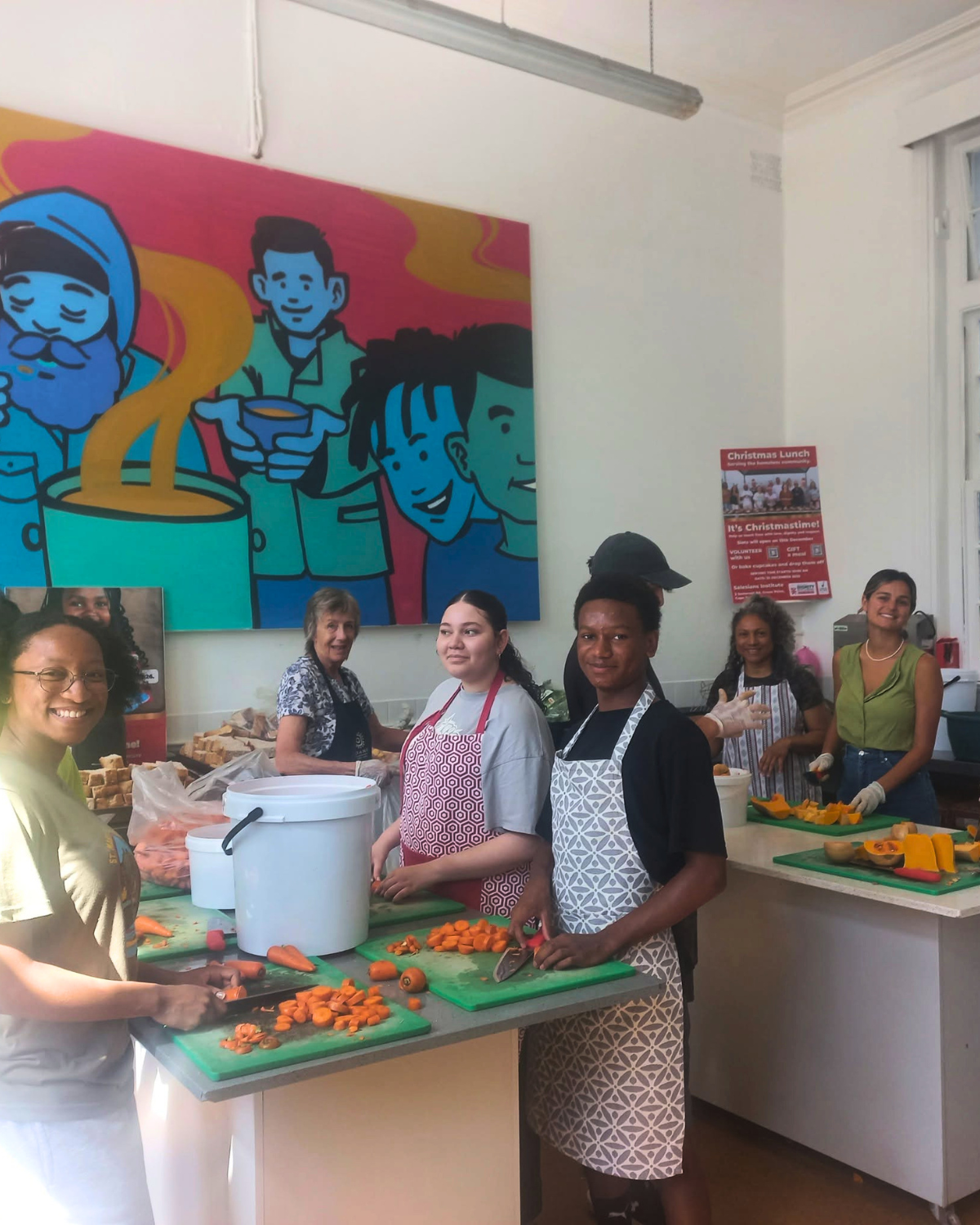
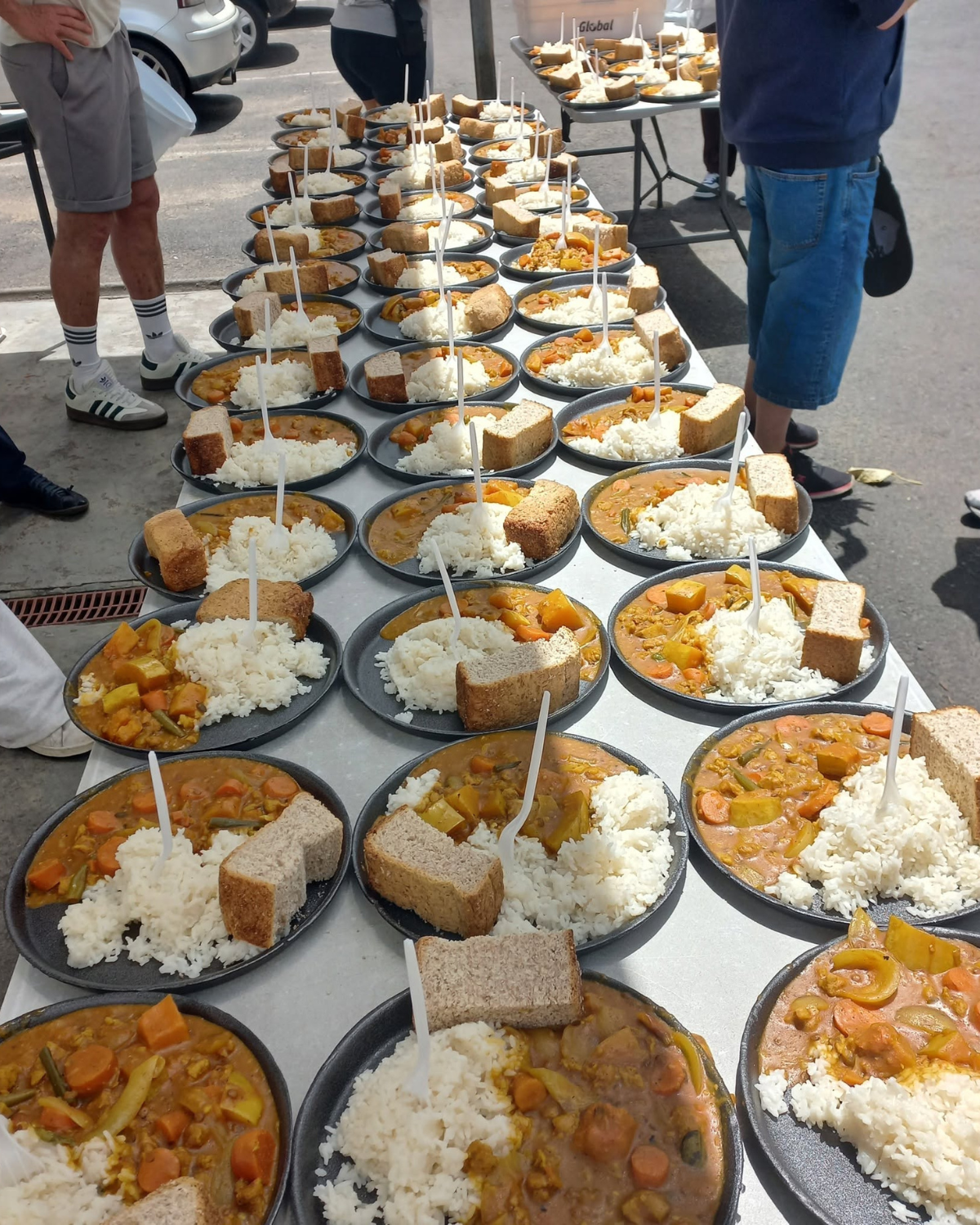
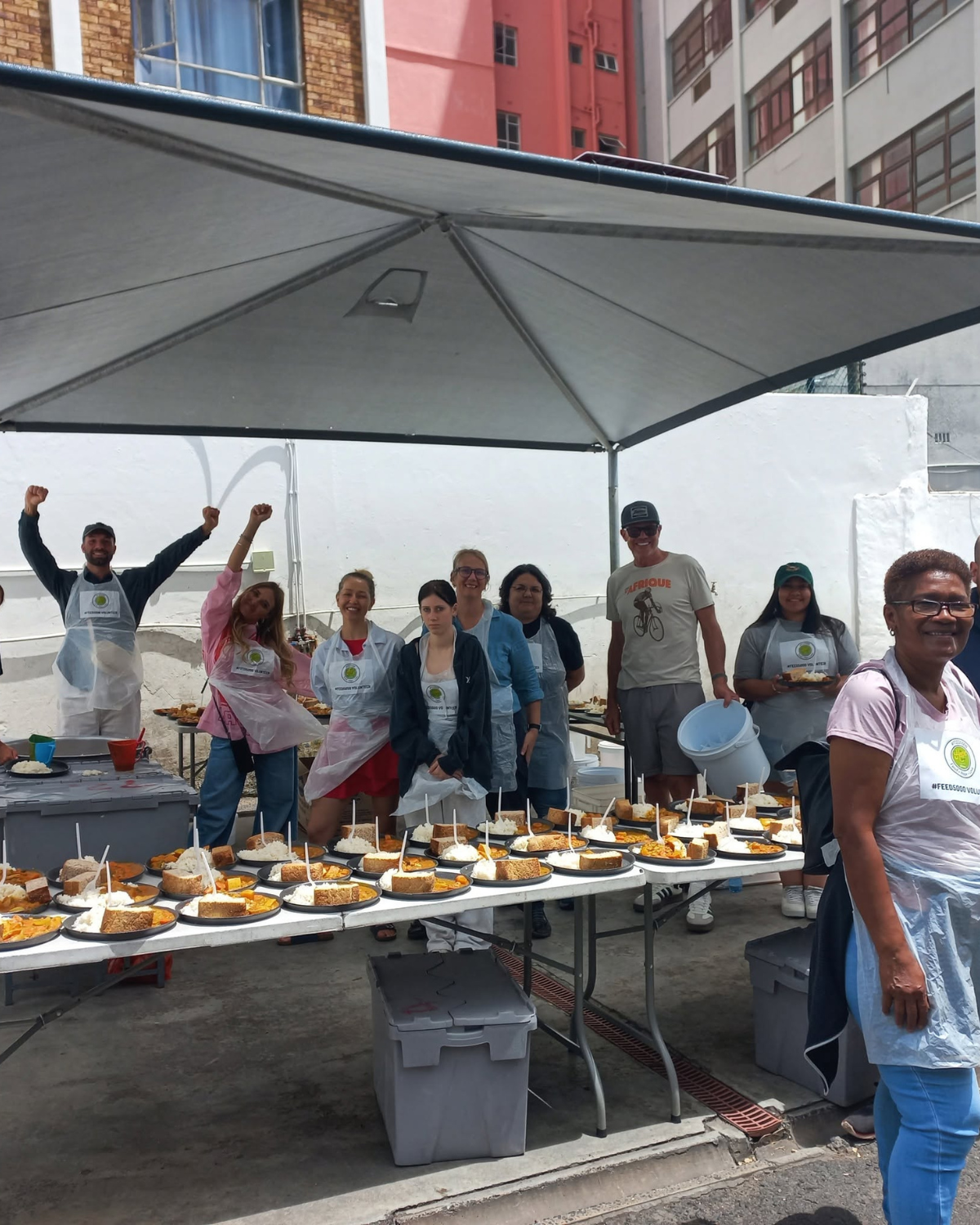
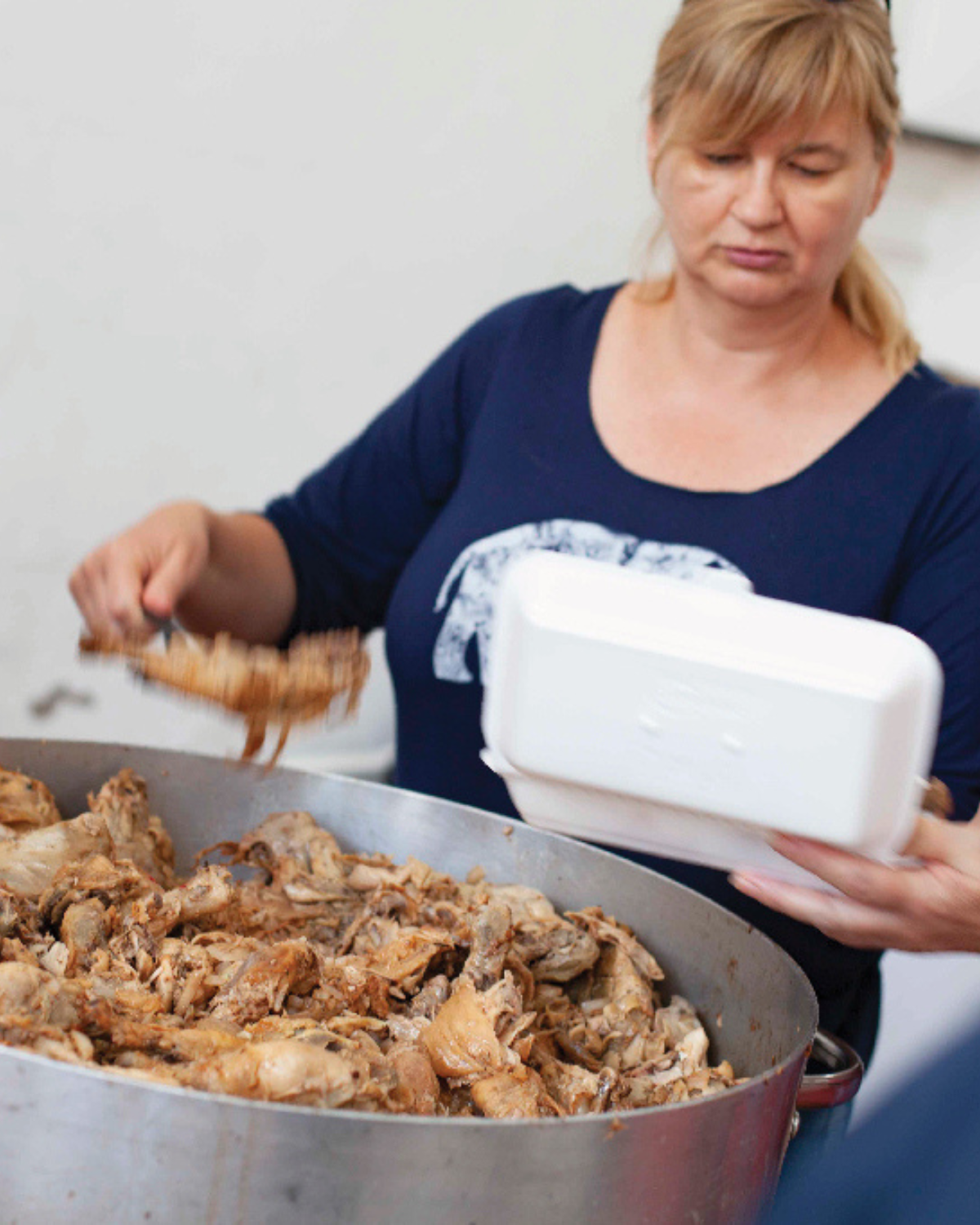
Every morning, clients can arrive at 14 Roeland Street and access ablution facilities - a shower, laundry services, basic toiletries and washing powder. It sounds modest. But for someone living on the street, being able to wash their clothes and face the day clean is the difference between feeling human and feeling forgotten.
From there, the support deepens. Meals are served on the premises several times a week, in partnership with Ladles of Love - and during the festive season, when most other feeding programmes shut down, The Hope Exchange serves every single day for several weeks, because hunger doesn't take a holiday. Nutrition from FoodForward SA has also allowed clients on chronic medication to access breakfast meals, meaningfully improving their ability to take medication consistently - a small logistical detail that has a profound impact on physical and mental health.
The social care team doesn't work from behind a desk. They're out among the clients, getting to know them, understanding their stories, and working out what each individual actually needs to move forward. Health checks are conducted on-site, with referrals made for further medical care where necessary.
And then there's the work of the soul: vocational training, life skills workshops, and ongoing social support - because reintegrating into society isn't a single moment, it's a process.
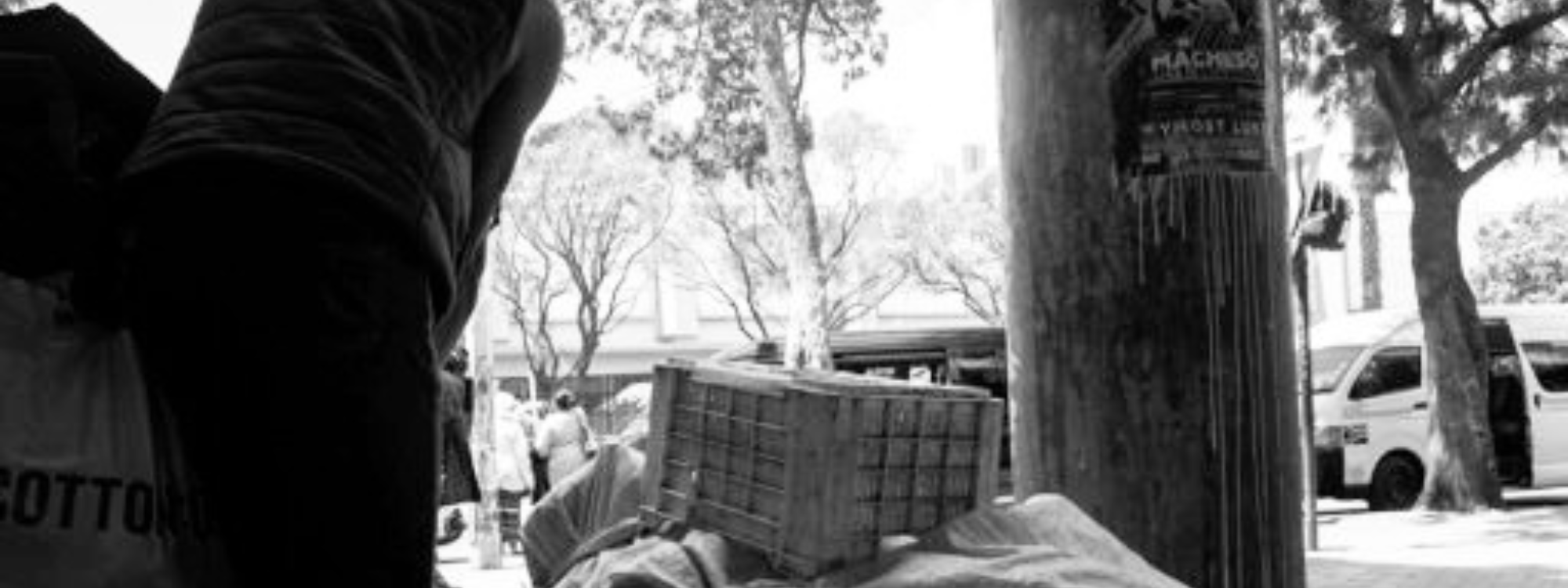

Perhaps one of the most thoughtful aspects of The Hope Exchange's model is its second-phase shelter, Geoff Burton House, which accommodates 40 men who have found employment but are not yet ready for full independence.
Only two people share a room - a deliberate choice that preserves privacy and the feeling of home. Out front, a beautiful garden provides space for social gatherings or a quiet moment with a cup of tea and a book. It's a bridge between the streets and sustainable independence, and it's where the work of rebuilding a life really begins to take shape.
The Hope Exchange has also built social enterprises that do double duty - generating income for the organisation while creating real employment opportunities.
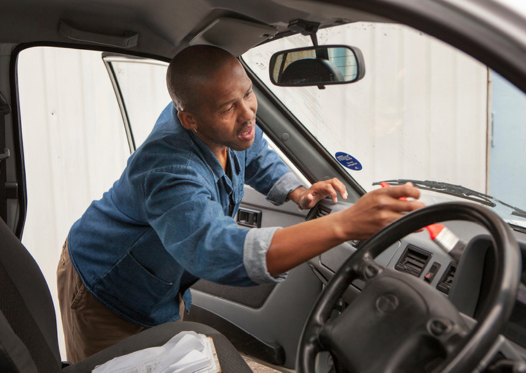
The Car Wash is perhaps the best example: a thriving, community-facing business that provides part-time and full-time employment to five individuals who have completed extensive life skills and professional training. It's not charity - it's commerce with a conscience. Every car cleaned is a step toward self-sufficiency.
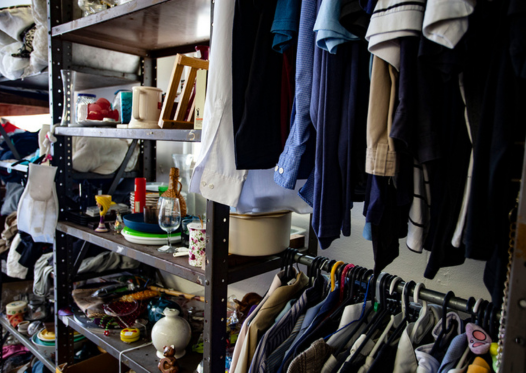
The Second Chance Charity Shop offers another avenue: donated goods given a second life, generating funds that flow back into the social care programmes.

These enterprises matter because they point toward something important - the recognition that sustainability requires more than good intentions. It requires systems, income, and the kind of long-term thinking that turns an NPO into an institution.
In 2023, The Hope Exchange received two grants in aid from the City of Cape Town - a warmly welcomed boost for current and new projects, and a signal of official recognition for an organisation that has, for decades, depended on community kindness to keep its doors open.
Then, in March 2025, came an announcement that genuinely moved people: The Hope Exchange and U-turn Homeless Ministries - two of Cape Town's most respected organisations working with the homeless - announced a landmark partnership. Together, they would operate as "The Hope Exchange operated by U-turn," combining the longevity and holistic social care approach of The Hope Exchange with U-turn's innovative, skills-based recovery pathway designed by a multidisciplinary team of occupational therapists, social workers, counsellors, and life coaches.
said U-turn CEO Jean-Ray Knighton Fitt.
This is what it looks like when organisations choose collaboration over competition. When the shared goal - fewer people living on the streets - becomes more important than any individual brand or programme.
There's a reason this organisation is called The Hope Exchange - because what happens here is genuinely an exchange. A person arrives carrying the weight of their circumstances, their broken plans, their grief. And in return, they receive something that can't be bought: dignity. Acknowledgement. The sense that they matter to someone.
That exchange - that simple, radical act of treating every human being as worthy of care - is what makes The Hope Exchange not just a shelter or an NPO, but a movement. One meal, one shower, one conversation, one life at a time.

