#doDifferent: Small Pebbles, Enormous Ripples
Picture the Cape Winelands on a clear winter's morning. Rows of bare vines stretching up into mist-covered mountains. Whitewashed homesteads. The kind of landscape that makes you pull over just to stare. It's breathtaking, and it's easy - if you're passing through - to see only the beauty. But on the farms that produce your favourite Stellenbosch Cabernet or Citrusdal Rooibos, thousands of children are growing up in circumstances most of us will never experience first-hand: limited access to schools, no clinic within reach, parents working long hours in the fields, and communities that have been overlooked for generations.
Now imagine a British special needs teacher who came to South Africa for three months - and never left. Imagine her looking at those children, then rolling up her sleeves and getting to work. That's not a fairytale. That's the Pebbles Project.
Every great South African story starts somewhere small. Sophia Warner arrived from the UK in 2003 with 13 years of experience in special needs education and a plan to stay for one season. What she found in the farming communities outside Stellenbosch changed everything. Children with Fetal Alcohol Spectrum Disorders (FASD) - a condition linked to high rates of alcohol use in isolated farmworker communities - were growing up without the early support or specialised care they needed. There were no ECD centres on the farms. No clinics. No after-school programmes. No safety net of any kind.
So Sophia, with the help of her sister Lucy, did what problem-solvers do: she found the first five farms willing to partner with her, and in 2004, the Pebbles Project was born.
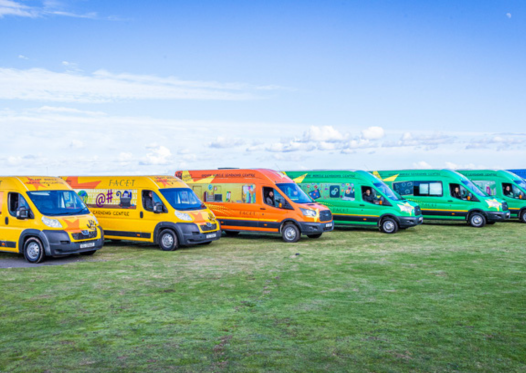
Fast-forward twenty years, and Pebbles has grown from a handful of farm partnerships into a fully-fledged non-profit organisation supporting over 1,600 beneficiaries across eight communities - Stellenbosch, Somerset West, Wellington, Paarl, Citrusdal, Clanwilliam, Grabouw, and the Hemel-en-Aarde Valley near Hermanus. They employ more than 100 staff members, operate a fleet of 17 vehicles, support 38 partner farms, and have distributed over 700,000 meals through their purpose-built kitchen. But here's what's remarkable: the founding conviction has never changed. Every single programme they run circles back to the same belief - that every child, regardless of where they were born, deserves a real chance to flourish.
- Sophia Warner, Founder & CEO
The Pebbles Project doesn't do one thing. It does everything - because it has learned, the hard way, that you cannot educate a hungry child, cannot feed a sick one, and cannot support a child whose home is in crisis. Their approach is deliberately, unapologetically holistic: walking alongside a child from the very first days of life all the way through to employment.
It starts before birth. The First Thousand Days (FTD) Programme focuses on the period from conception to age two and a half - the window of most rapid brain development in a human life. Daily play-based stimulation programmes, parent support, and the Baby Box Initiative (a curated pack of essentials for newborns) mean that new mothers in remote farming communities don't navigate those early weeks alone.
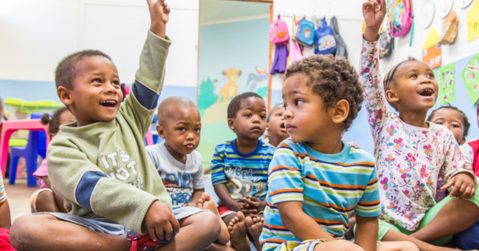
Then come the early years. Early Childhood Development (ECD) Centres on partner farms run from 7am to 5pm daily, giving children aged two and a half to five a structured, nurturing, curriculum-driven environment long before formal school begins. The practitioners running these centres are trained and supported by the Pebbles team - because Pebbles knows that a well-trained practitioner changes not just one child's life, but every child who passes through that room for years to come.
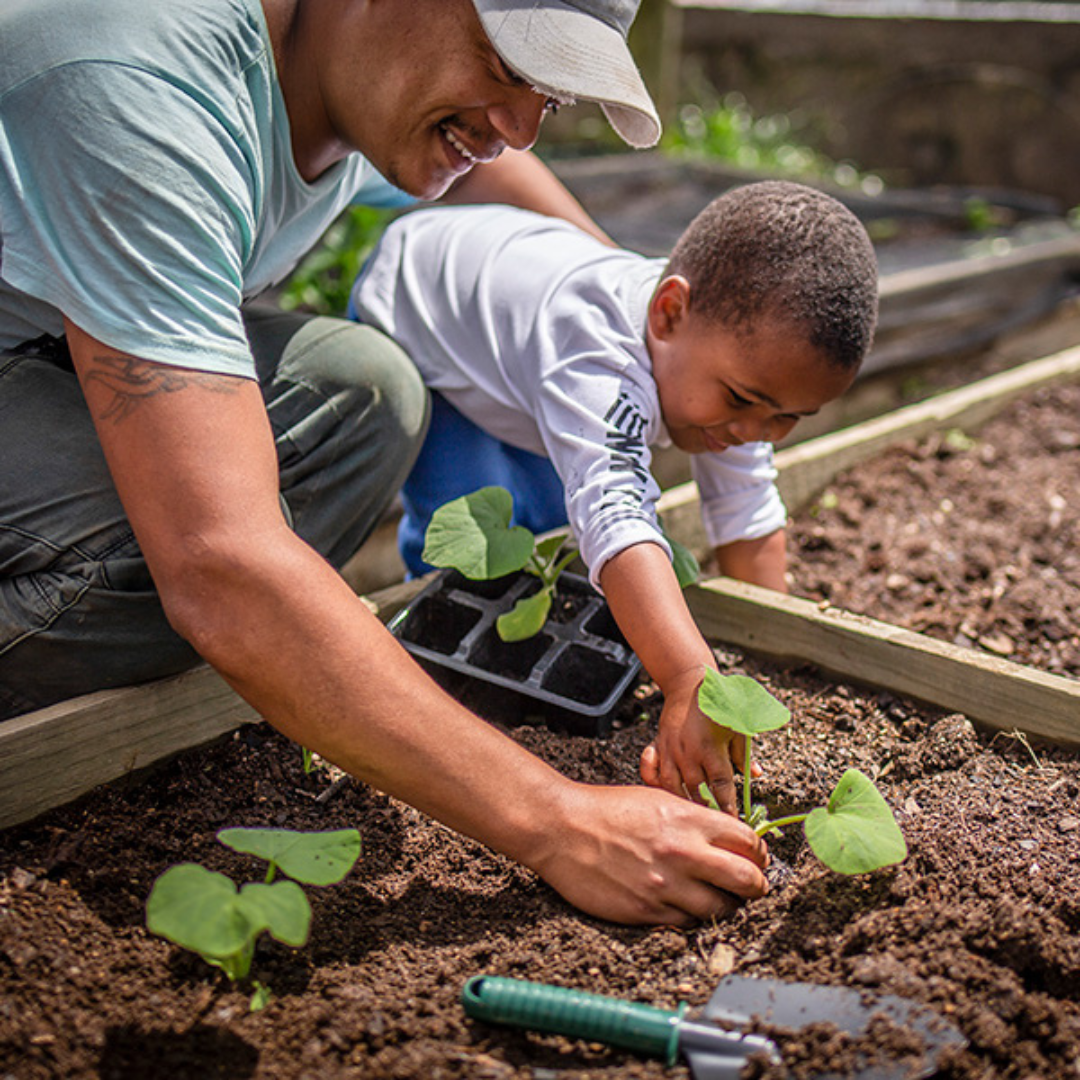
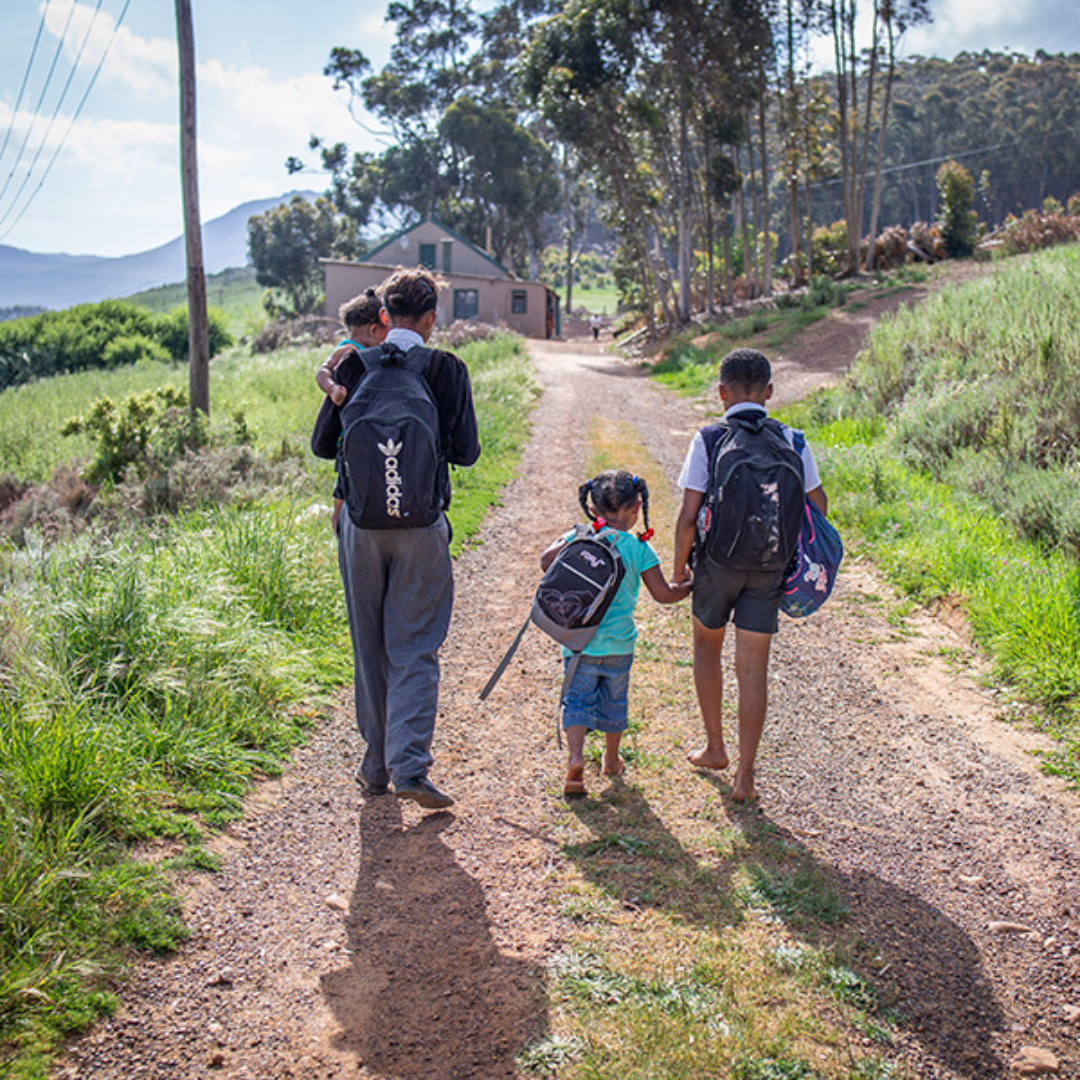
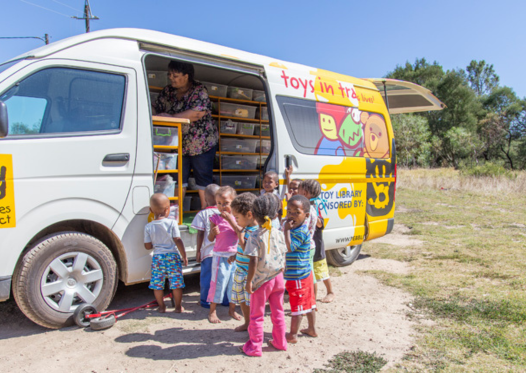
For school-going children, the School Enrichment Programme (SEP) steps in - homework help, computer literacy, art, sport, life skills, vegetable gardening, and access to mobile resource libraries that travel the farm routes delivering books and learning tools to children who'd otherwise have none.
And then there's the Pebbles Academy. Established in the Hemel-en-Aarde Valley in 2017, it's an independent community school offering Grades R through 7 to children from over 40 farms in the area. Transport picks them up in the morning and drops them home in the afternoon. Every child gets a nutritious breakfast, lunch and two snacks. Annual health and dental check-ups are built in. There's even a working vegetable garden integrated into the curriculum - and produce sold to local restaurants to generate income for the school. It's an education, a meal, a health service, and a life skills programme, all in one place.
For young adults, the Youth Development Programme (YDP) offers skills development, career guidance, work-readiness training, and job placements for those aged 15 to 25 who've left school without a clear path forward. In a country where youth unemployment sits at a staggering 67%, this is not a nice-to-have. It's urgent.
As Pebbles deepened its work in education, one thing became unavoidable: you cannot separate learning from health. A child who is unwell cannot learn. A child who is malnourished cannot concentrate. So Pebbles built the infrastructure to address that too.
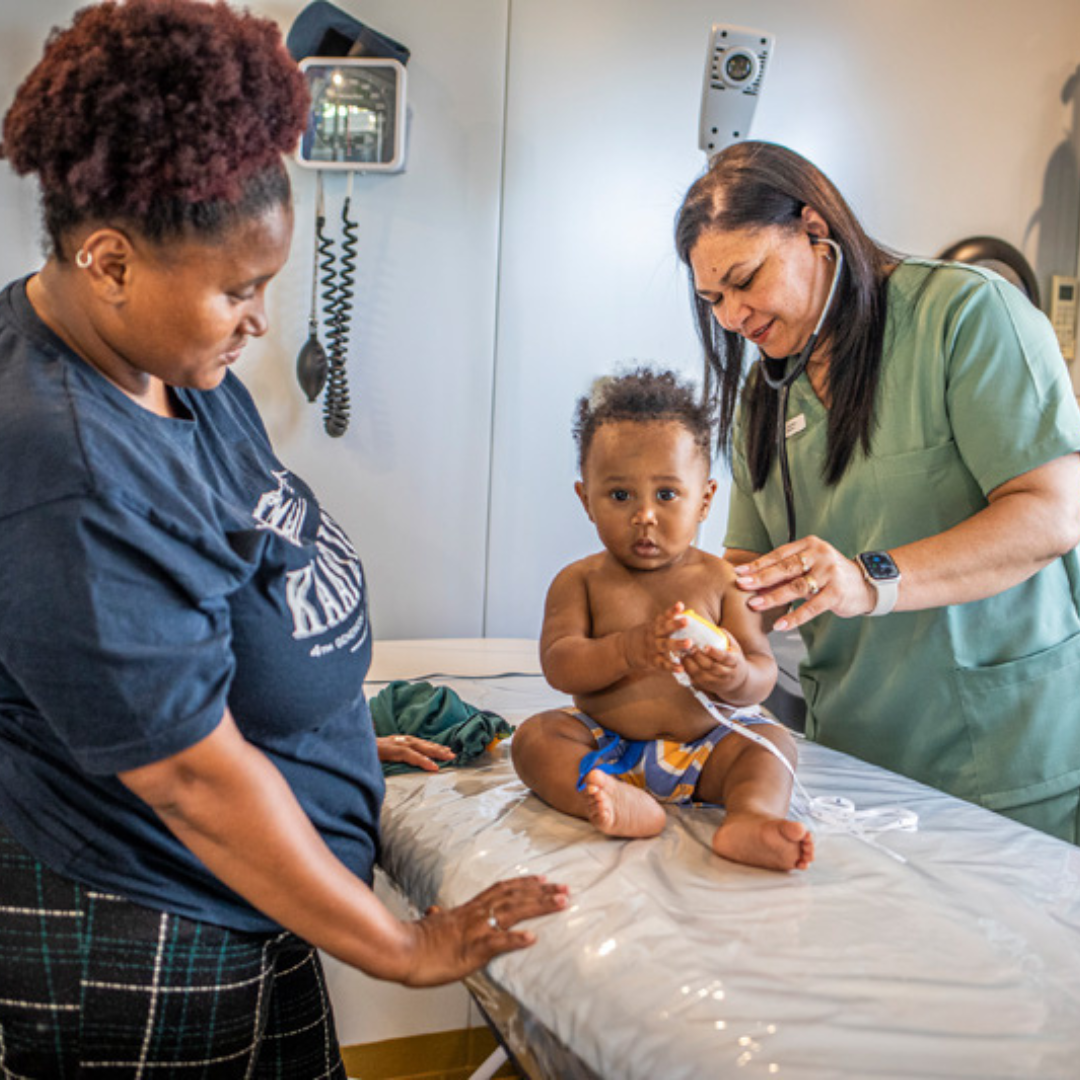
In 2014, the Pebbles Owethu Health Clinic opened at Villiera Wines in Stellenbosch - in partnership with Cipla - offering primary healthcare, wellness screenings, and dental services. All Pebbles beneficiaries access these services free of charge. Dental hygiene brushing programmes start in the ECD centres, because good habits, like good education, begin young. Family planning, deworming, Vitamin A supplementation, antenatal and postnatal care - all of it is woven into the fabric of what the clinic offers.
And for communities even further from Stellenbosch? In 2021, in partnership with Twinings' 'Sourced with Care' ethical programme, Pebbles launched a custom-built Mobile Health Clinic - a fully equipped medical vehicle that travels directly to rooibos tea farms in the Clanwilliam and Citrusdal areas, bringing healthcare to families who would otherwise go without.
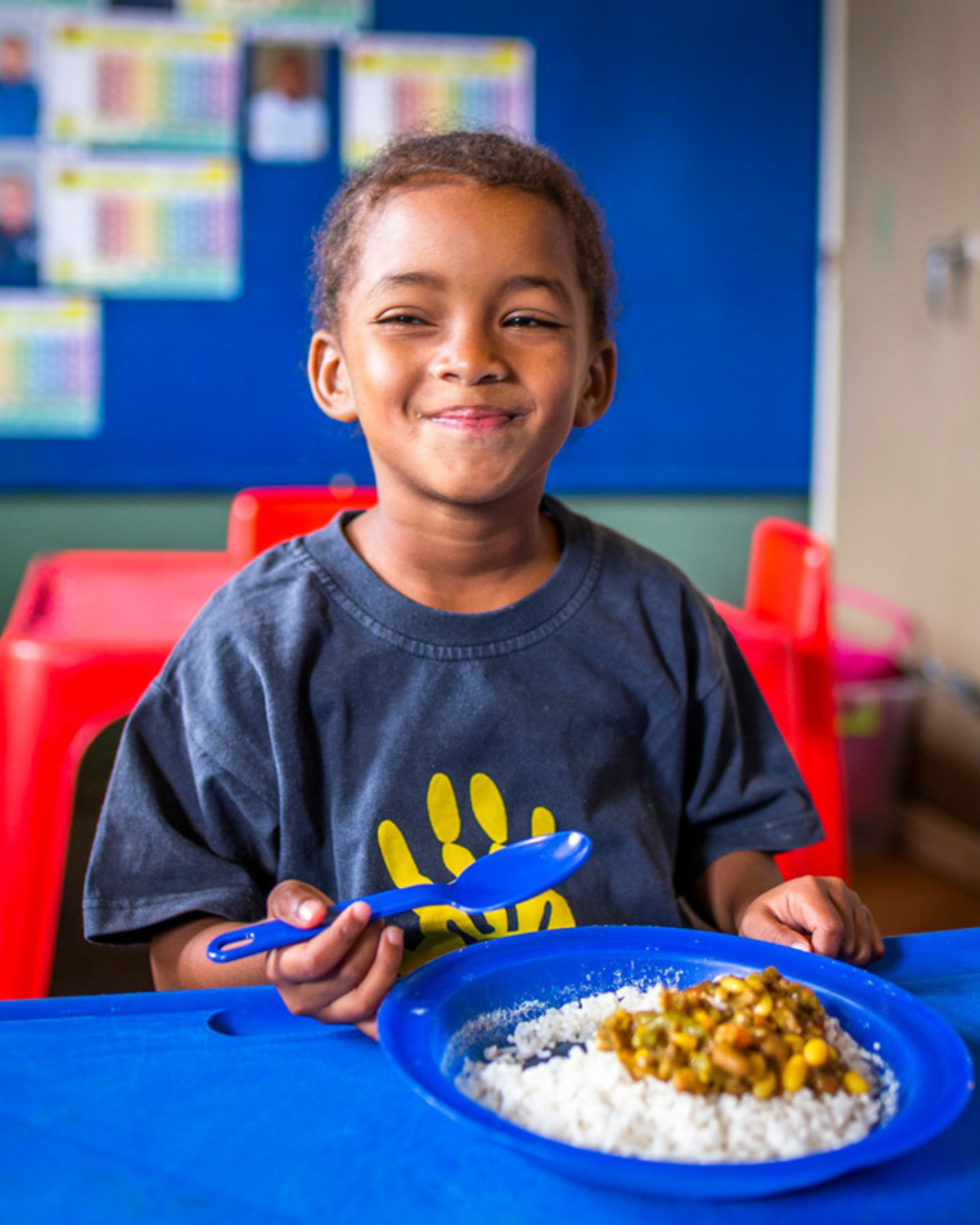
Then there's the food. In 2014, Pebbles identified something that should have surprised no one but still hadn't been addressed: children arriving at their ECD centres were hungry. Really hungry. So they launched a Nutrition Programme, starting with 258 children receiving breakfast, lunch, and two snacks daily. By 2015, the programme had expanded to include After-School Club learners.
For years, meals were sourced from an external provider. But Sophia had a bigger dream. In 2019, that dream opened its doors: the Pebbles Kitchen - a purpose-built, 450m² food production facility at Klein Joostenberg in Stellenbosch, employing eight full-time staff. Today, approximately 2,500 meals are cooked there every single day. About 1,000 go directly to Pebbles beneficiaries. The rest are supplied to other NPOs and ECD centres across the region, turning a nutrition programme into a community feeding operation. And during the COVID-19 lockdowns, when farming communities faced severe food insecurity, the Pebbles Kitchen delivered one million meals.
One million.
What makes the Pebbles Project truly remarkable, though, isn't any single programme. It's the thinking behind all of them.
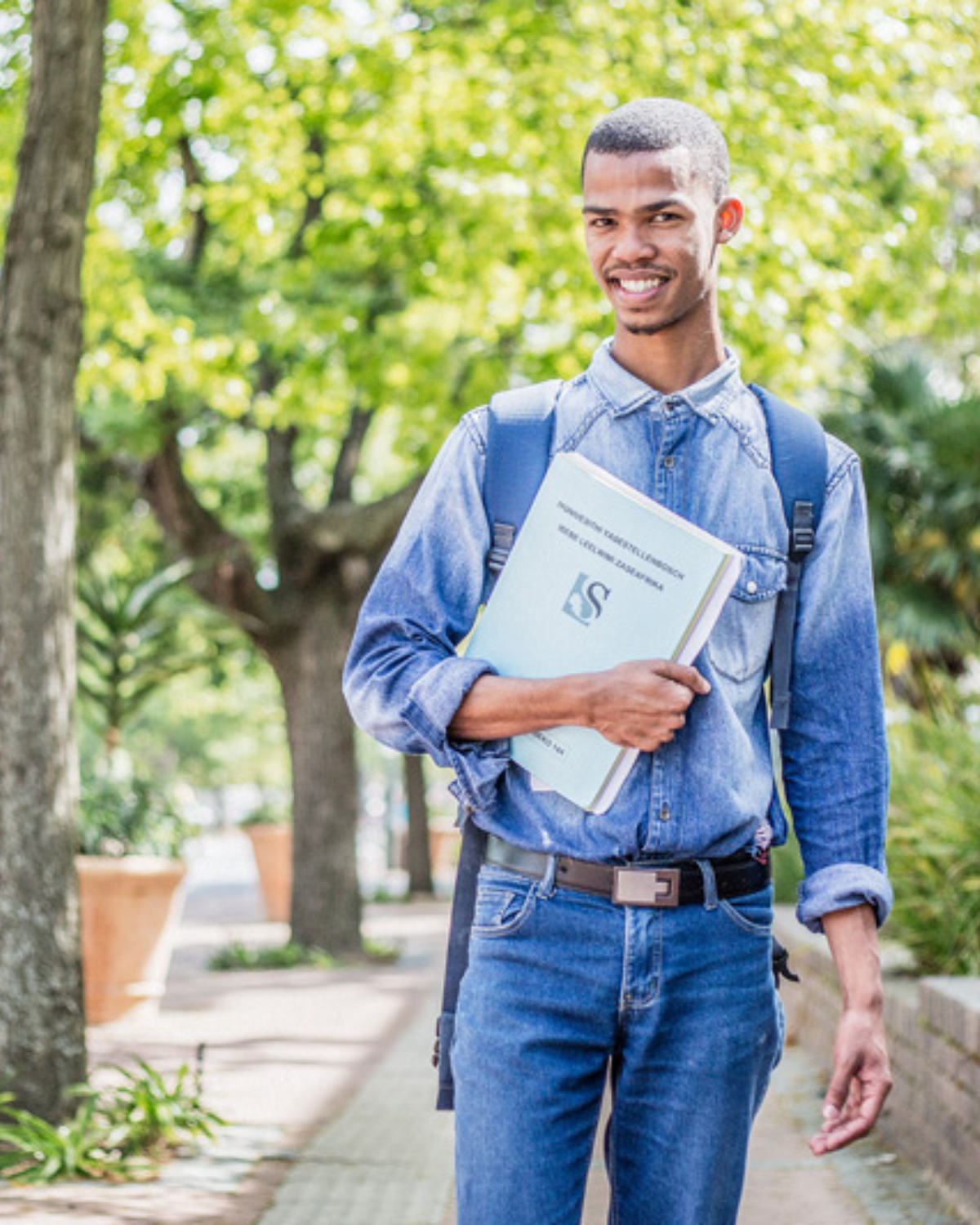
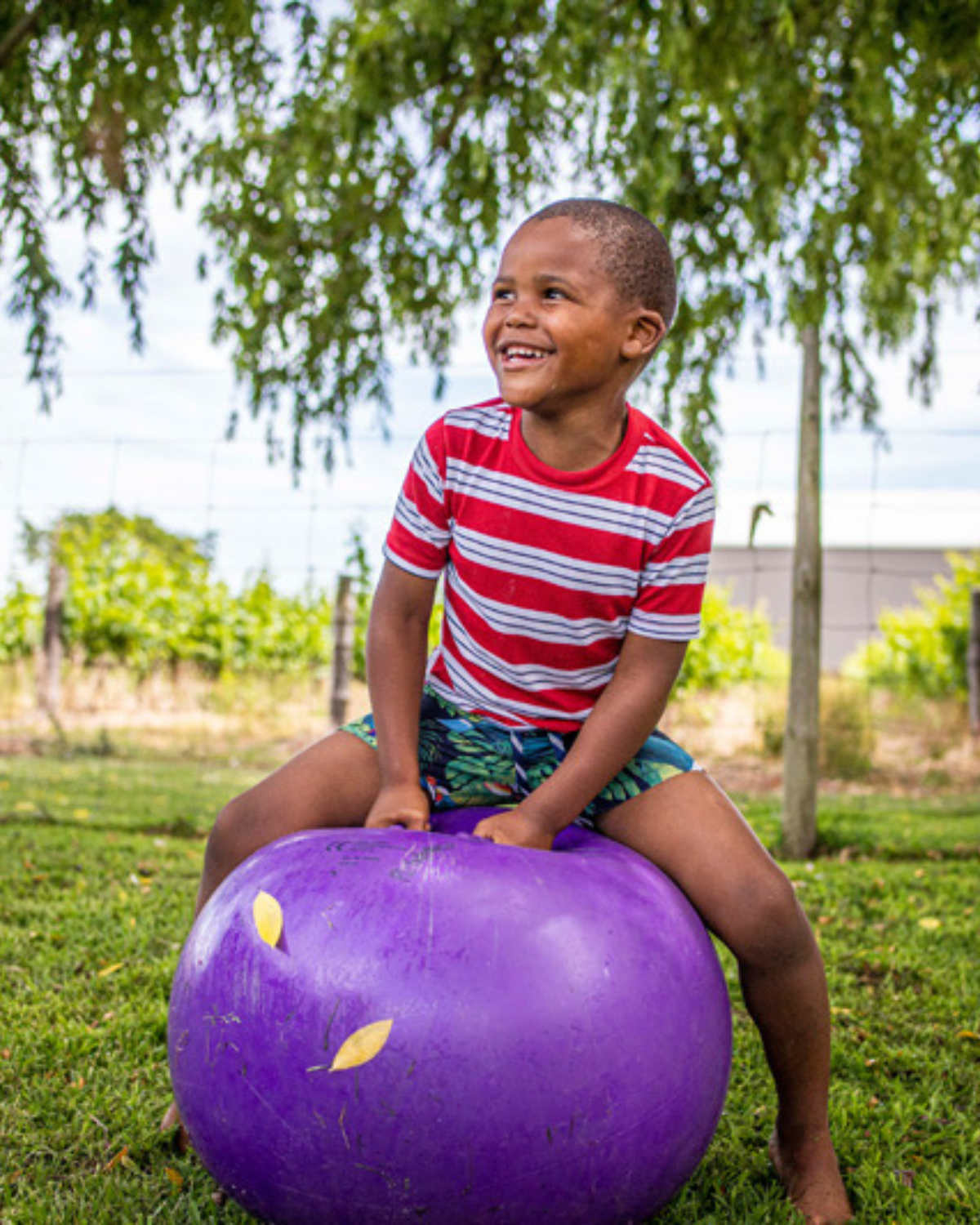
Their Theory of Change is built on a simple but profound insight: children don't grow up in isolation. They grow up in families, and families grow up in communities. Changing a child's trajectory means supporting the adults around them too - training ECD practitioners, equipping parents, building the capacity of community members who will be there long after any NGO moves on. It's why Pebbles invests as much in the people who deliver their programmes as in the children who receive them.
It's also why some of the most powerful stories to come out of Pebbles are about staff, not just beneficiaries. There are people working at the Pebbles Project today who grew up within its care - who joined at three months old, moved through the ECD centres, the School Enrichment Programme, the Youth Development Programme, and then chose to come back and work for the organisation. That's not a coincidence. That's the model working exactly as it should.
In 2024, Pebbles turned twenty. To mark the milestone, they created an impact short-film called Kindness - written, directed and produced by fundraiser Liesl Ahlers, with support from the wider Pebbles team. The film won Best Documentary at the Kleinkaap Short Film Festival, and went on to be selected as a finalist at the Big Syn International Film Festival in London - one of the world's largest sustainability film festivals. A small NPO from the winelands of the Western Cape, seen on a global stage.
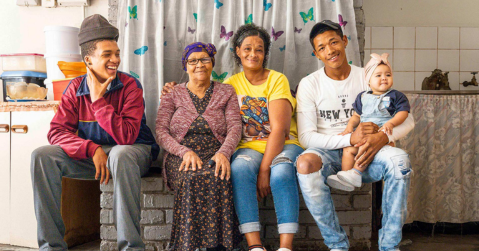
It's the right word, kindness. Because when you strip back all the programmes and the numbers and the logistics, what the Pebbles Project is really about is a daily choice - by Sophia, by her team, by the farms and donors and partners who support them - to show up for someone else's child with the same care, the same intention, the same belief in their potential, that you'd bring to your own.
Supporting the Pebbles Project is simple and impactful. Through their website you can make a once-off or monthly donation, sponsor a child's health care, contribute to a school stationery pack, or fund a place in the education programme. If you have professional skills to offer, they're always looking for volunteers. And if you're a wine farm, agricultural business, or corporate partner in the Western Cape, there are meaningful partnership opportunities to explore. Because every pebble creates a ripple. And when enough people choose differently - choose to notice, to care, to act - those ripples become something extraordinary.

