#doDifferent and Give Wildlife a Second Chance
We all know that feeling of watching a wild creature move exactly as it should - a genet slipping into the undergrowth, a fish eagle lifting off a treeline, a pod of monkeys crossing a canopy without a second glance at the humans below. It's easy to take that for granted, until you learn how many of those animals only get to do it again because someone fought to give them the chance. That's the story of C.R.O.W.

C.R.O.W. - the Centre for Rehabilitation of Wildlife - is a Durban-based non-profit with a mission as clear as it is relentless: rescue, rehabilitate and release every orphaned, injured and displaced wild animal that comes through its gates. No government funding. No corporate parent. Just a small, dedicated team, a 4-hectare property in Yellowwood Park, and an unshakeable belief that every one of KwaZulu-Natal's wild animals deserves a second chance.
Every great South African story starts somewhere modest, and C.R.O.W.'s began in a garage. In August 1977, Isolde Mellet recognised an urgent need for a rehabilitation centre that could treat injured wildlife and educate the public about protecting it - so she started one herself, taking in 150 wild birds and animals a month from her own garage. Within two years, she'd raised R73,000 to convert the old, disused Coedmore Waterworks - built in 1916 and shut down in 1976 - into a proper wildlife hospital. Sterile sand pans became walk-in aviaries. Open marshes and lagoons were shaped into enclosures. In 1980, C.R.O.W. opened its doors on that same site, and it has never closed them since.
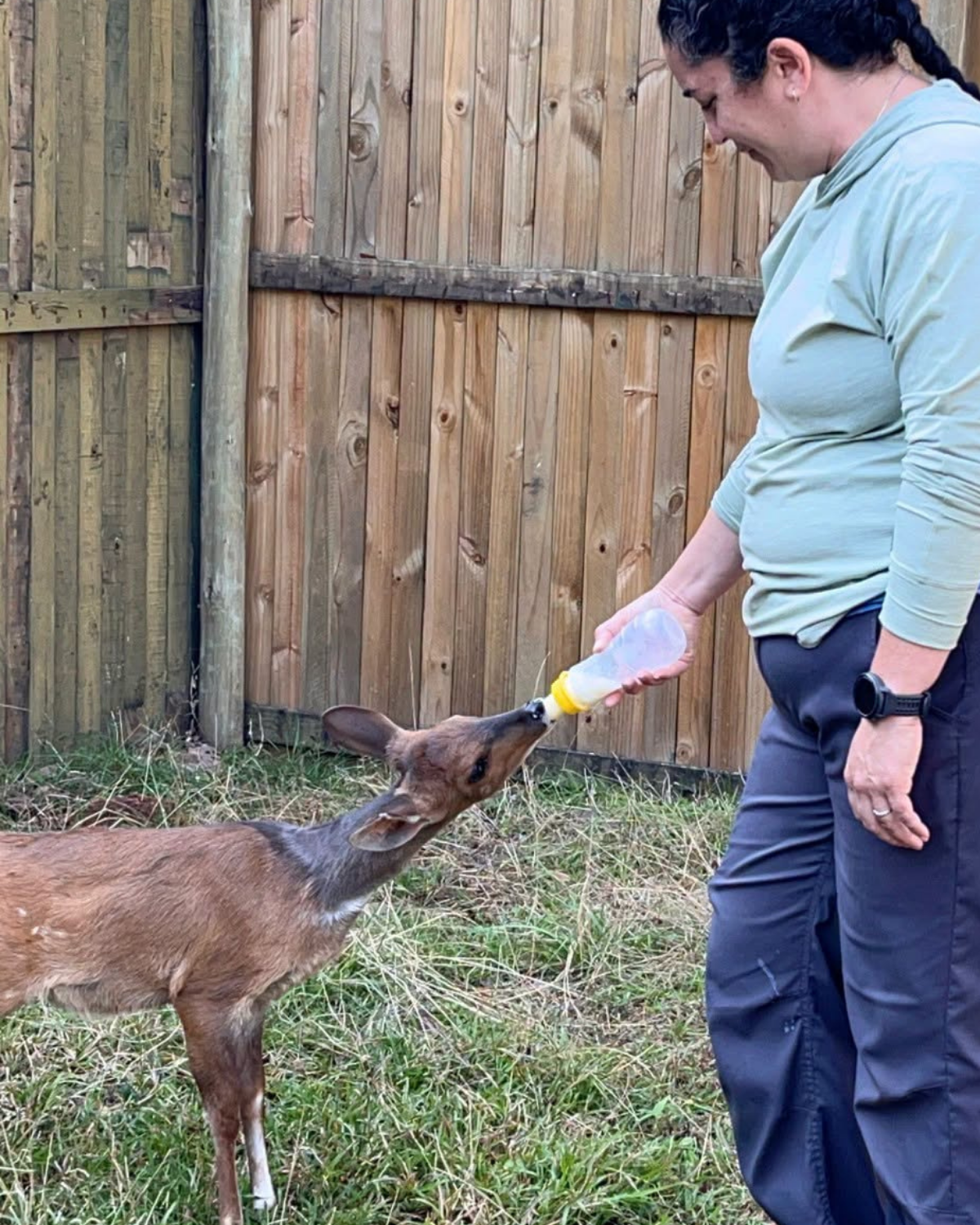
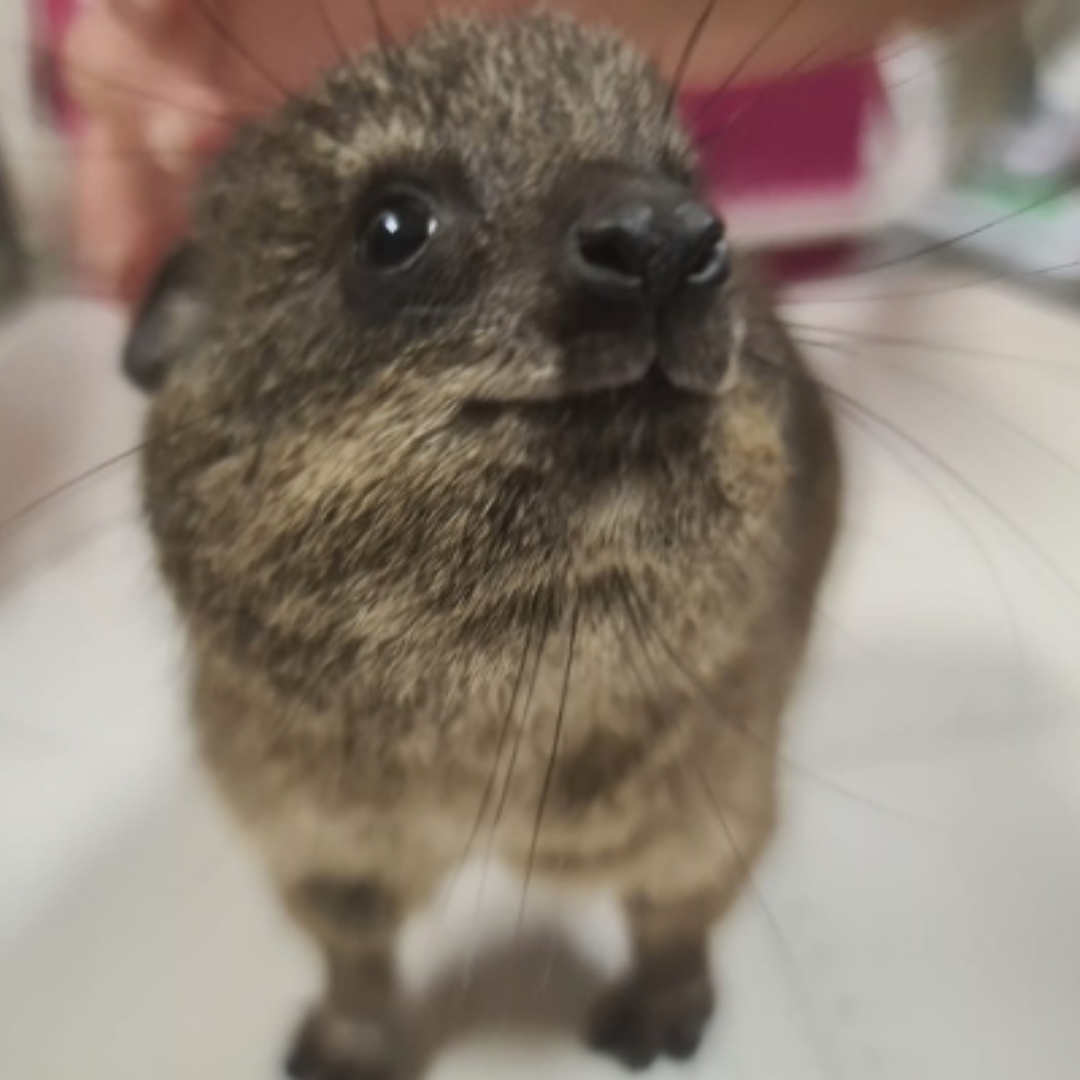
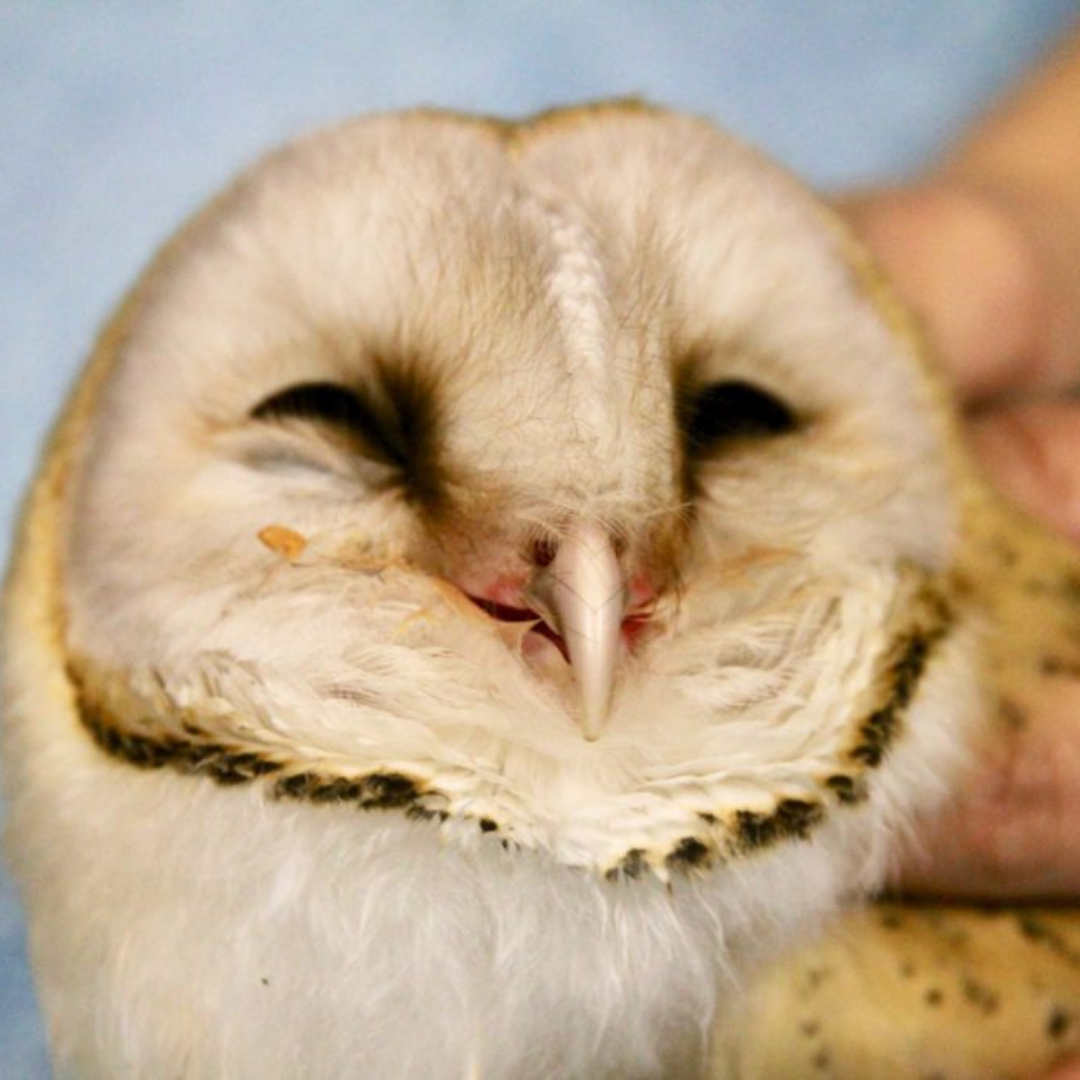
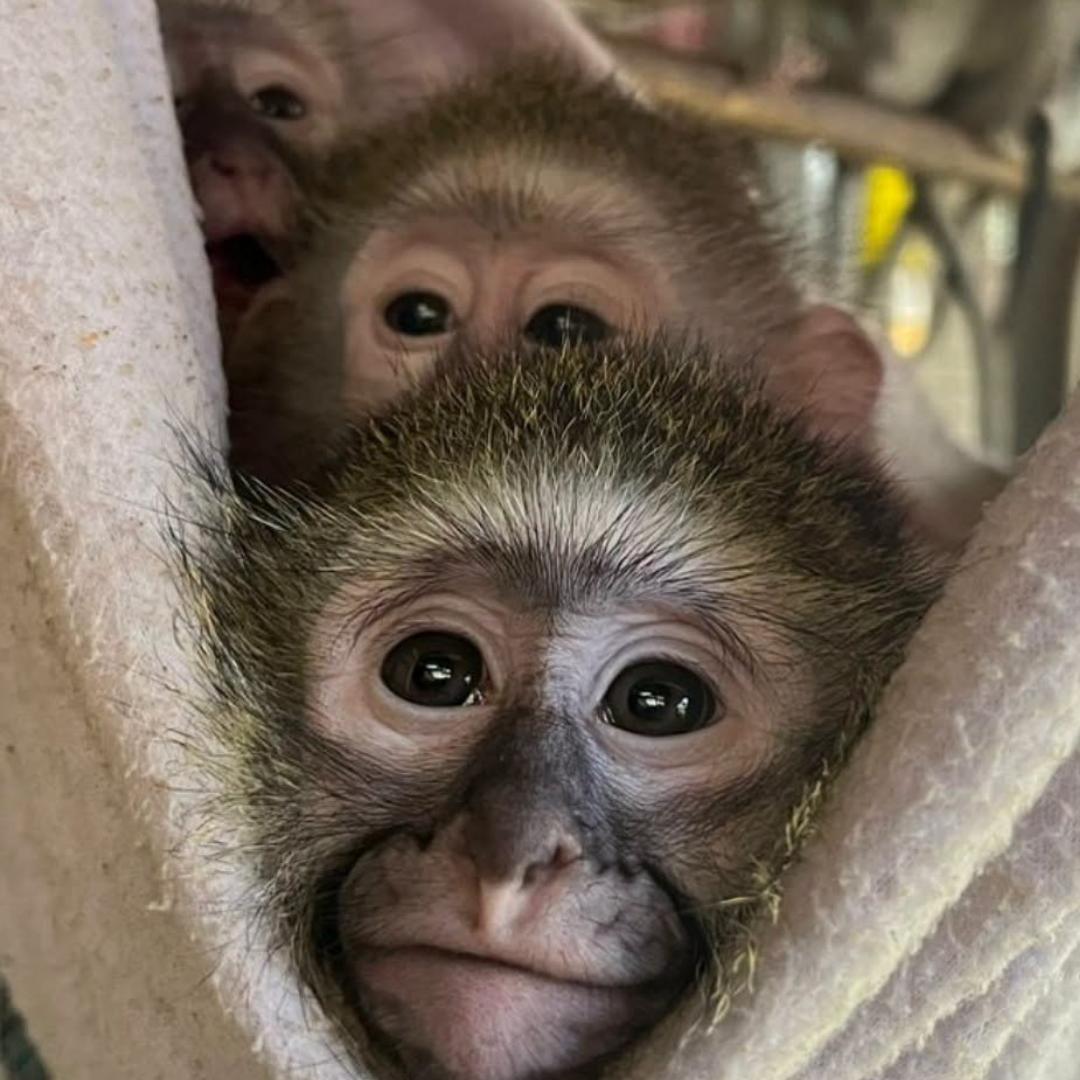
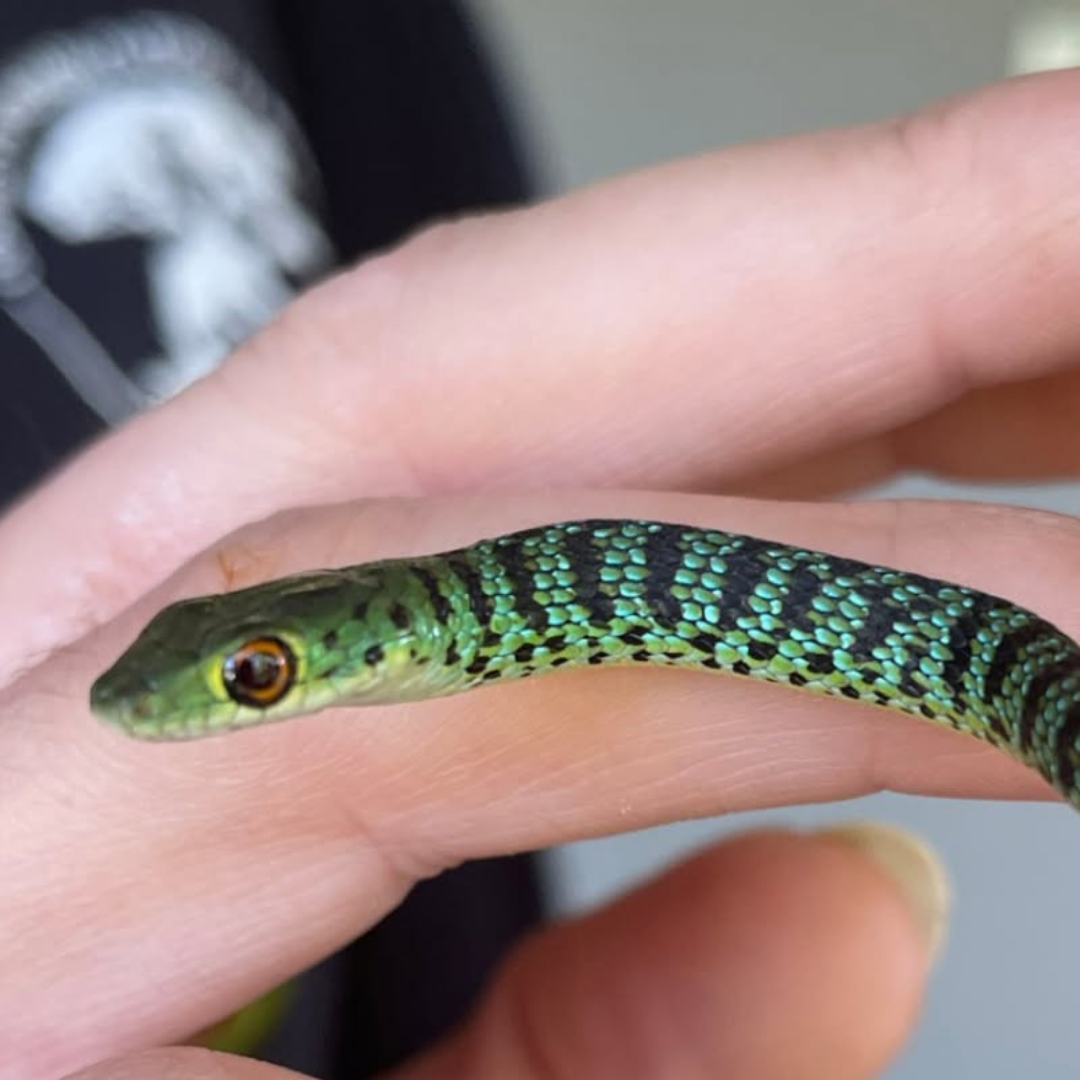
Fast-forward to 2025, and C.R.O.W. marked its 45th anniversary as the oldest wildlife rehabilitation centre in South Africa - and still KwaZulu-Natal's only registered one. The 4-hectare property has grown to 85 enclosures split across aviaries, mammal blocks, ICU units and primate blocks. C.R.O.W. is the only SPCA-accredited primate rehabilitation centre in the province, and every year its small team of staff and volunteers takes in between 3,000 and 4,000 orphaned, injured and displaced animals - mongoose, genets, monkeys, birds, reptiles, antelope, and the occasional rhino calf. Almost 90% of those animals are in trouble because of us: cars, dogs, power lines, fences, snares, negligence. C.R.O.W. exists to undo a little of that damage, one patient at a time.
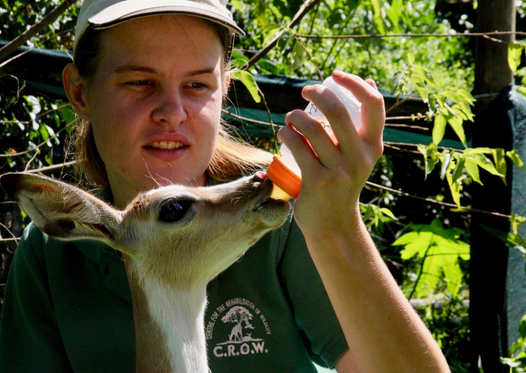
C.R.O.W.'s rescue vehicles drive out anywhere in KwaZulu-Natal, for any wild animal in distress, at any time. Once an animal arrives at the centre, it's assessed and treated in the ICU, then moved into an enclosure designed to mimic its natural habitat as closely as possible, kept as far from human contact as the property allows - because an animal destined for release has to stay wild to survive once it gets there. Some injuries are too severe for a full recovery, and those animals become permanent residents rather than statistics. But the goal, always, is release: getting a healthy, capable wild animal back to where it belongs.
Not every rescue is small. In late 1995, an abandoned rhino calf named Tholiwe was brought in by the Natal Parks Board after being found without his mother in Imfolozi. The team built a boma at the bottom of the property just to house him, and Tholiwe - barely hip-height - was bottle-fed and settled in under heat lamps and a rotating cast of devoted caretakers. That same year, C.R.O.W. became the first fully-accredited wildlife rehabilitation centre in KwaZulu-Natal, licensed by the NSPCA to treat any wild animal, marine or otherwise. It's the kind of milestone that only means something because of the years of unglamorous, hands-on work that earned it.
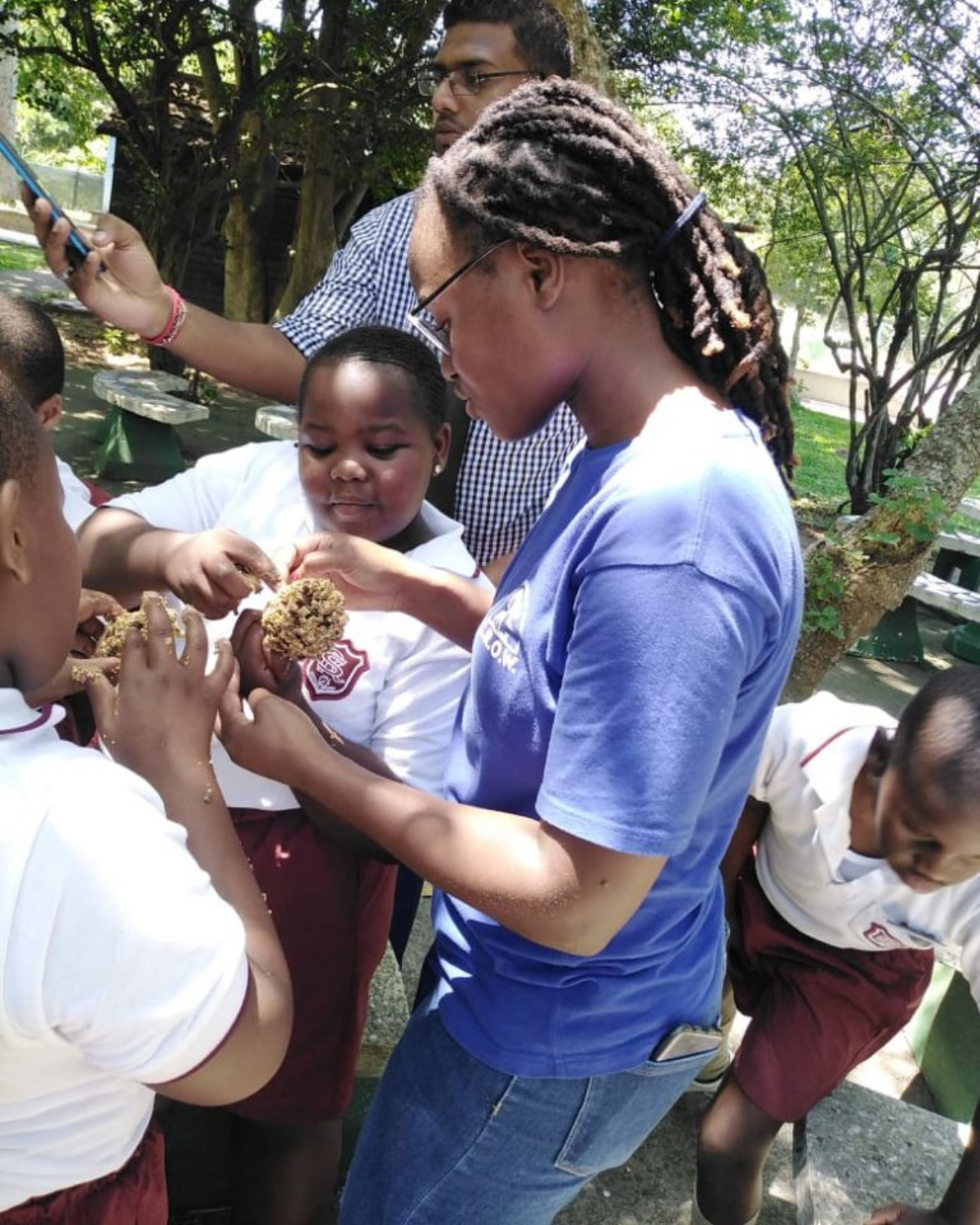
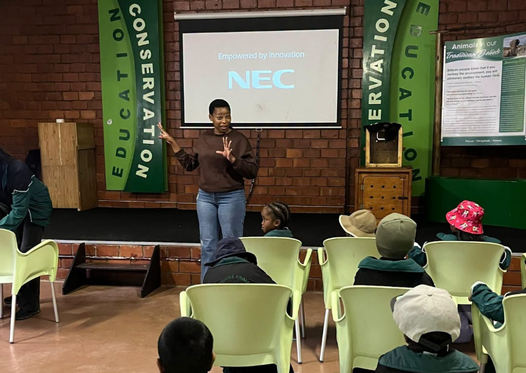
Rescue and treatment are only half of what C.R.O.W. does. Educating the next generation about protecting natural resources has been one of its founding principles since day one, and the centre's team travels to schools anywhere in KwaZulu-Natal to give talks to classes of every age - what C.R.O.W. does, real rescue stories, and broader conservation topics like ecosystems, animal adaptations, and the role rehabilitation centres play in a healthy environment. For plenty of Durban kids, a visit from - or to - C.R.O.W. is the first time conservation stops being an abstract idea and starts being a genet with a broken leg that they watched get better.
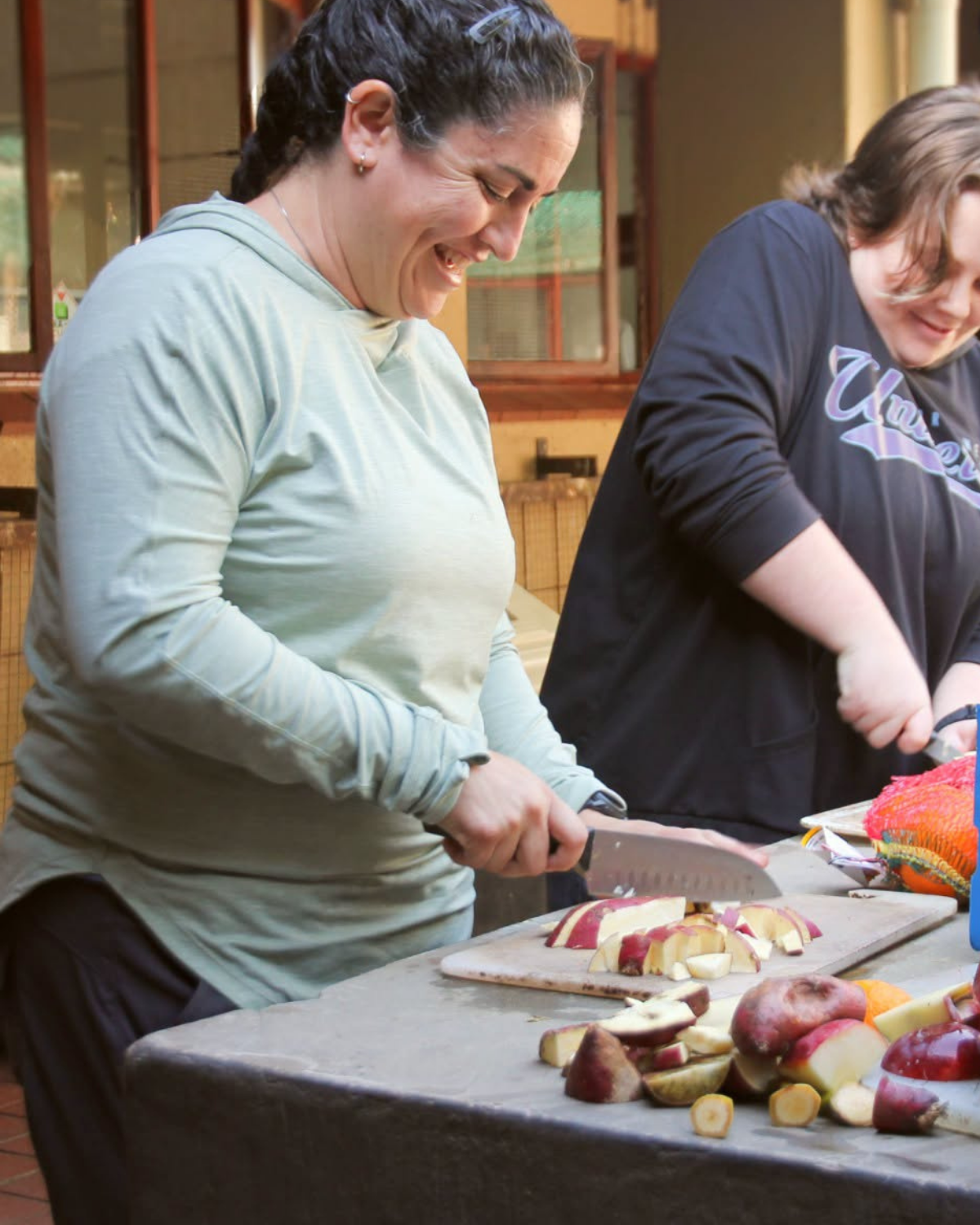
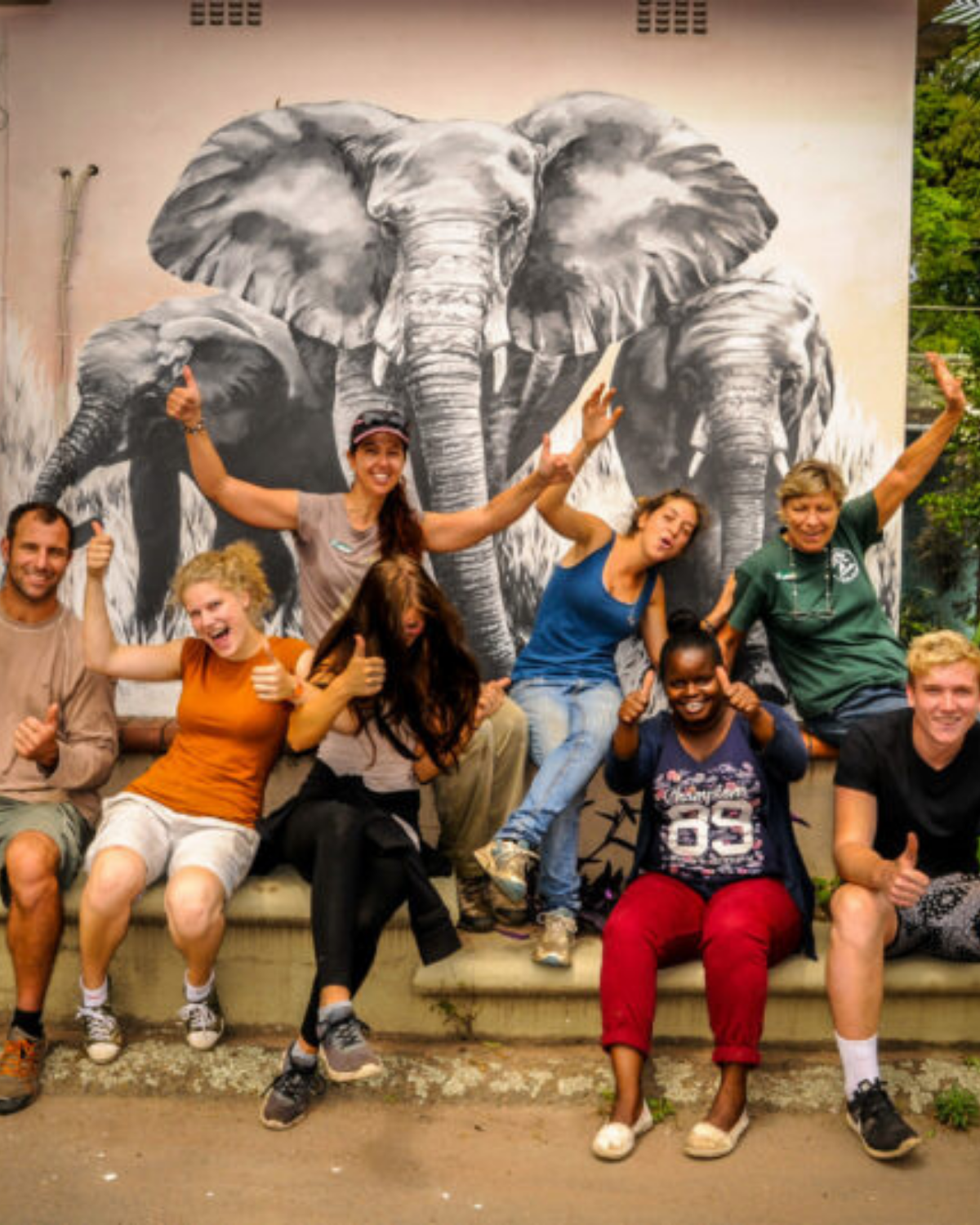
C.R.O.W. also opens its doors to volunteers, both local and international, who come to work hands-on with the animals and the team that cares for them. It's not glamorous - long hours, hard physical work, early starts - but volunteers consistently describe it as one of the most meaningful things they've ever done, living alongside other volunteers from around the world and learning directly from staff who have devoted their careers to this work. Many come for a few weeks and leave, in their words, having gained far more than they gave.
Because C.R.O.W. receives no government funding, it is entirely reliant on public generosity to keep its doors open 365 days a year - and there are a lot of ways to help. Through the Guardians programme, supporters can commit from as little as R50 a month to cover essential running costs like vet bills, medication, animal food and fuel for the rescue vehicles. Shoppers can add C.R.O.W. as a beneficiary through the MyDifference programme at stores like Woolworths, Loot.co.za, Bidvest Waltons, Flight Centre and Engen, so a portion of what they'd spend anyway goes straight to the centre at no extra cost. There's a wishlist available through Takealot for anyone who'd rather donate supplies than cash, corporate sponsorship options for businesses, and the option to leave a bequest that helps fund enclosures, rescue vehicles and medical facilities for years to come.
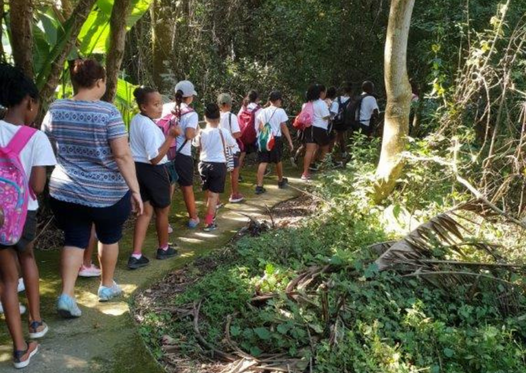
In 2025, to mark 45 years of saving wildlife, C.R.O.W. set itself a symbolic fundraising goal: R450,000, one thousand rand for every year the centre has been open. It also revived Walk in the Wild - a fun walk first held in 1995 to raise funds and awareness, retired for years, and brought back with a market, breakfast stalls and a 3km, 5km and 10km route through KwaZulu-Natal's wild spaces.
By choosing to support C.R.O.W. - whether that's a monthly Guardian donation, a few items off the wishlist, an afternoon spent volunteering, or simply telling someone else about the work - you're directly funding the rescue vehicle that responds when a fledgling falls from a nest, the ICU that stabilises an orphaned monkey, and the quiet, patient work of getting a wild animal wild enough again to let go of.
Together, let's choose differently. Let's back the people who show up for the animals nobody else will - the ones found tangled in fences, orphaned on roadsides, or washed up displaced and afraid. Because a KwaZulu-Natal where every injured wild creature has somewhere to go is absolutely the KwaZulu-Natal we want to live in.

