Changing the Story on Breast Cancer to #doDifferent
There's a particular kind of South African optimism that shows up at the start line of a race, in a busy running club WhatsApp group, or on a rack of socks by the till at a sports shop. It's the belief that showing up for yourself - lacing up, entering the next event, buying the thing that funds the cause - can also mean showing up for someone else. Few organisations have built that belief into an actual system as effectively as I Love Boobies.

Enter I Love Boobies, a South African non-profit with a name that makes people smile and a mission that makes them stop and pay attention. Behind the playful branding is a serious statistic: an estimated 47,000 South African women should be diagnosed with breast cancer every year, yet only around 10,000 actually are. The rest simply never get screened. I Love Boobies exists to close that gap.
Every meaningful cause has an origin story, and this one starts in 2016. Off the back of a breast cancer awareness fundraising campaign that struck a chord with the public, the I Love Boobies charity was formally incorporated the following year as a registered Non-Profit Company. The mandate was simple and urgent: provide free education and clinical breast examinations to South African women who can't access those services because of money, location, or circumstance - while getting the wider public talking about a disease that one in eight women will face in her lifetime.
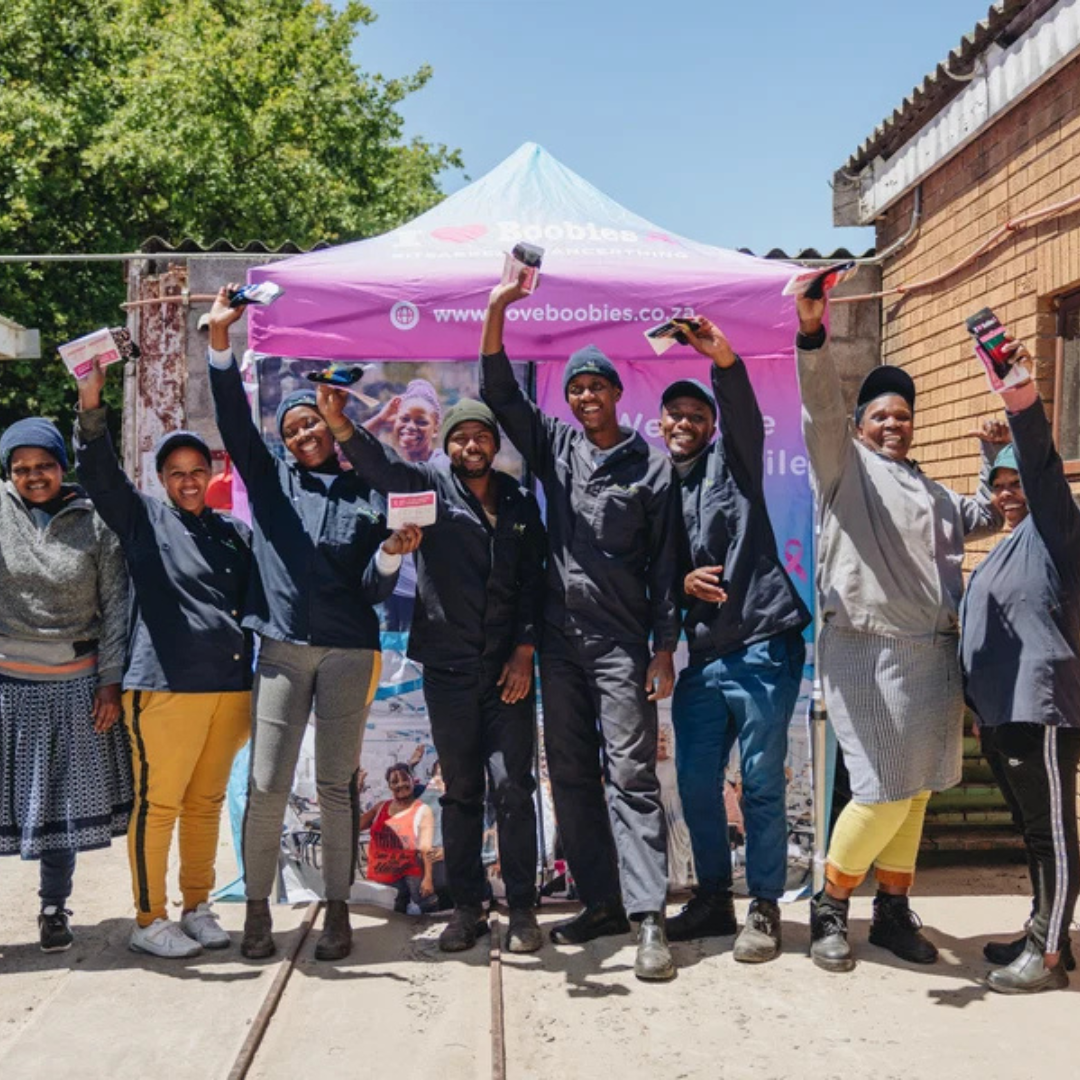
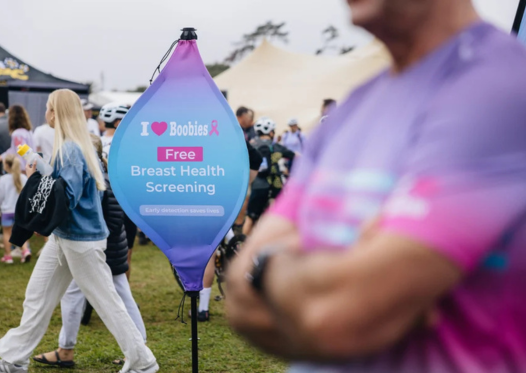
Nearly a decade on, that founding promise has grown into a nationwide movement. Since inception, I Love Boobies has provided free clinical breast screenings to more than 14,400 women. In 2025 alone, the organisation screened 3,641 women in underserved communities, referred 253 of them for further diagnostic care, and saw six women diagnosed with breast cancer early enough to act on it. Eleven thousand people took part in the organisation's flagship Imagine Challenge that same year, turning kilometres run, ridden and swum into funded medical care.
Here's what makes the model so clever: every woman who is screened walks away with a pair of I Love Boobies socks. It sounds small, but it's deliberate. Every time she pulls them on, it's a nudge to check herself again - because early detection remains the single best defence against a disease that is so often caught too late in low- and middle-income communities, where awareness and access to timely, affordable care are hardest to come by.
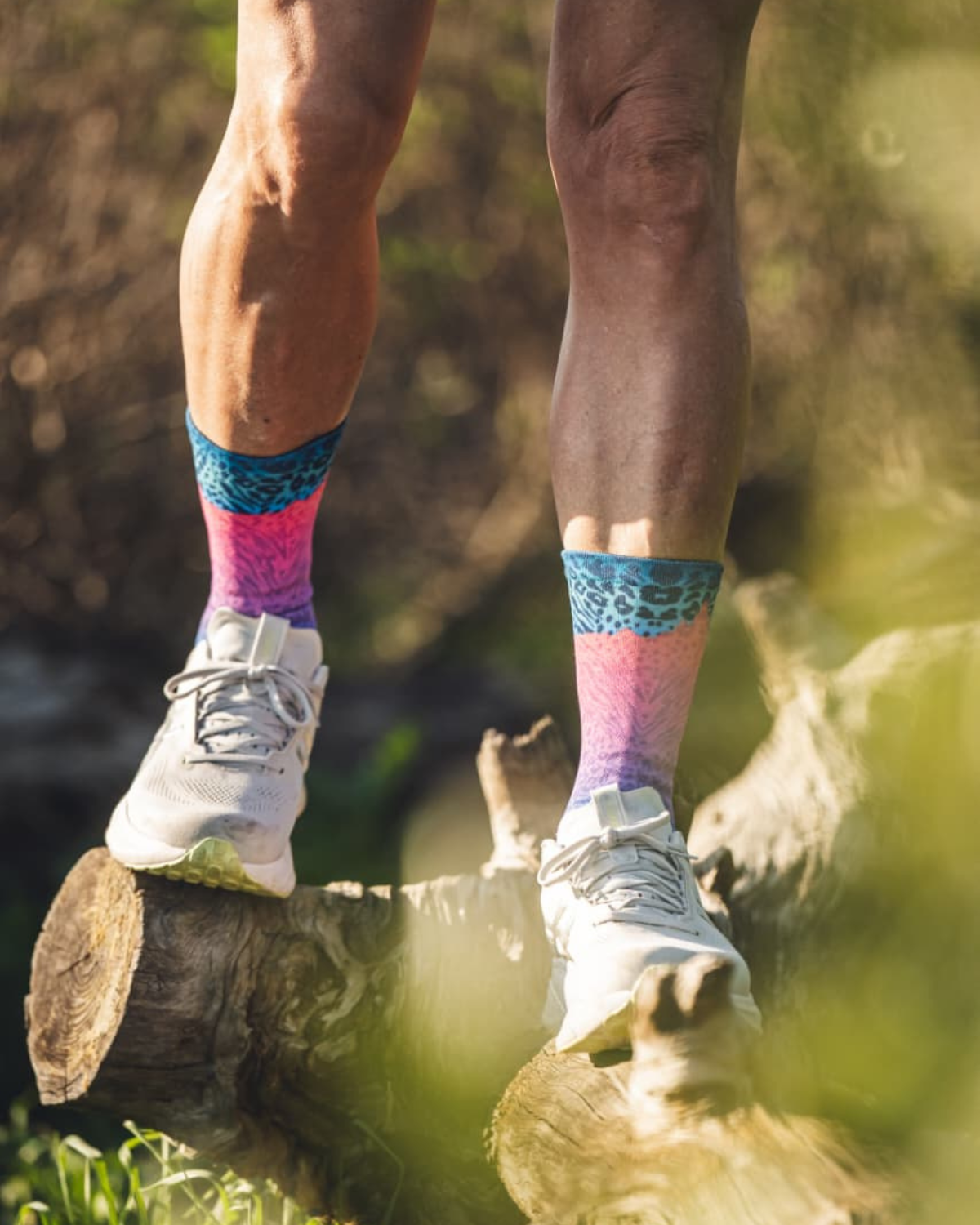
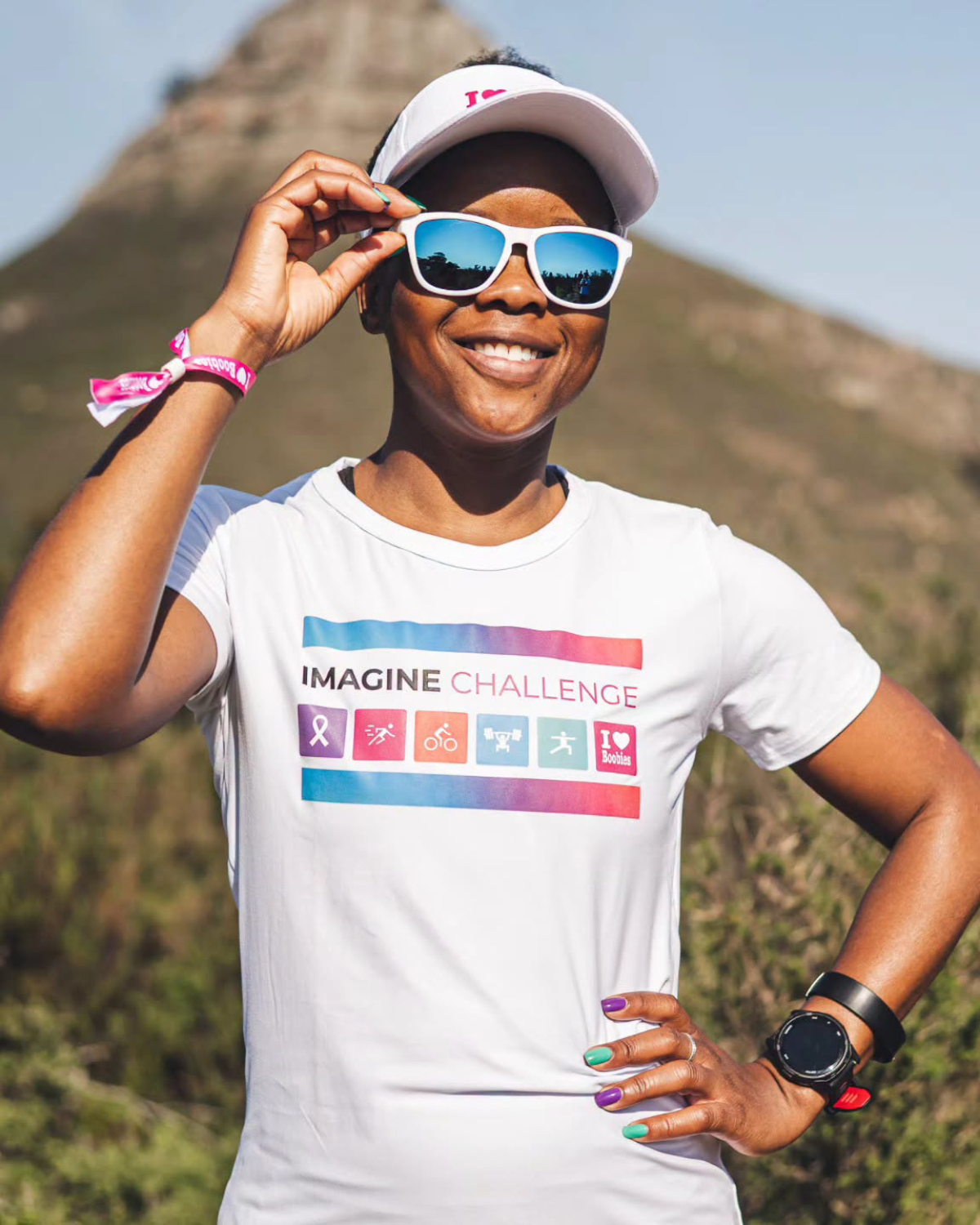
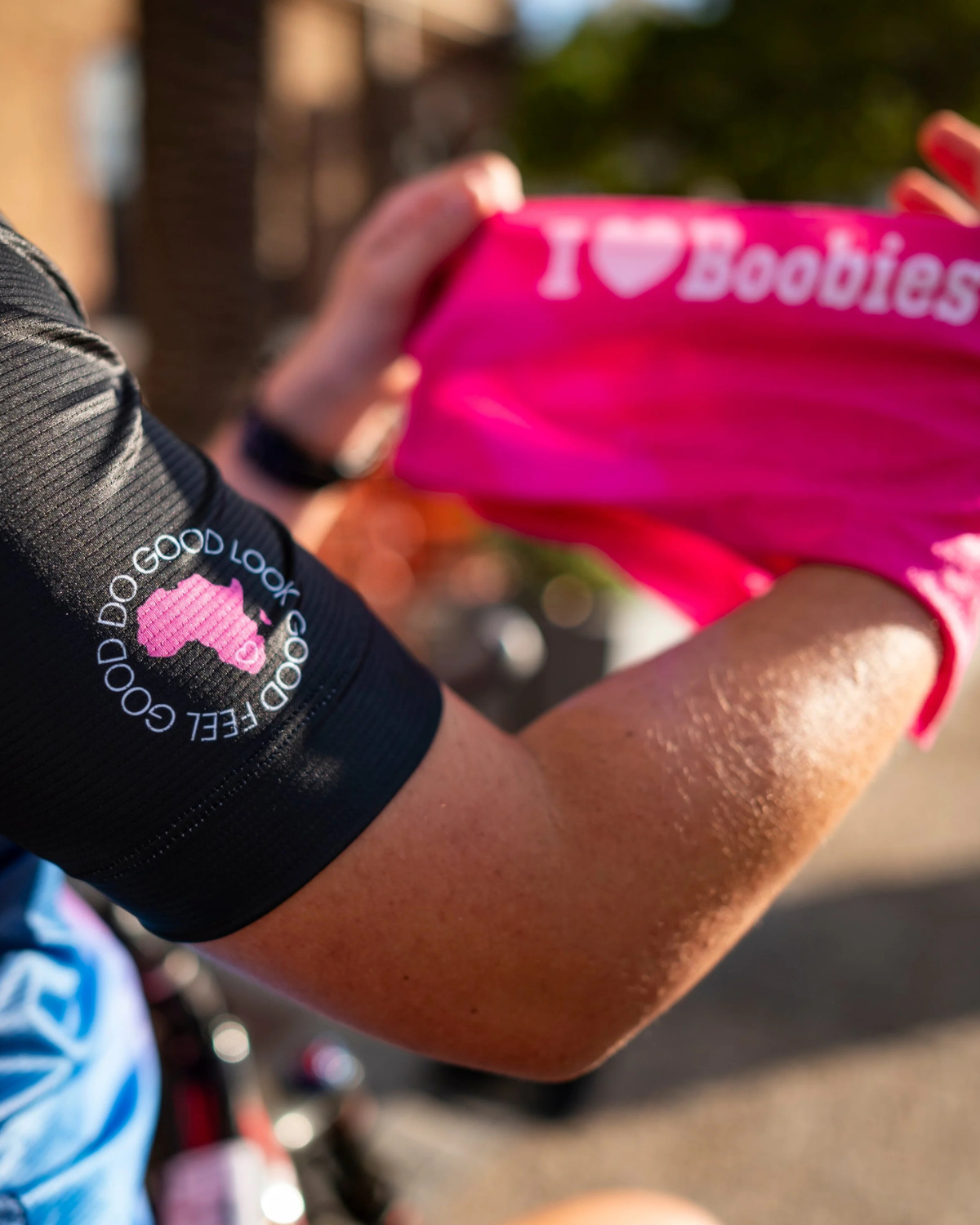
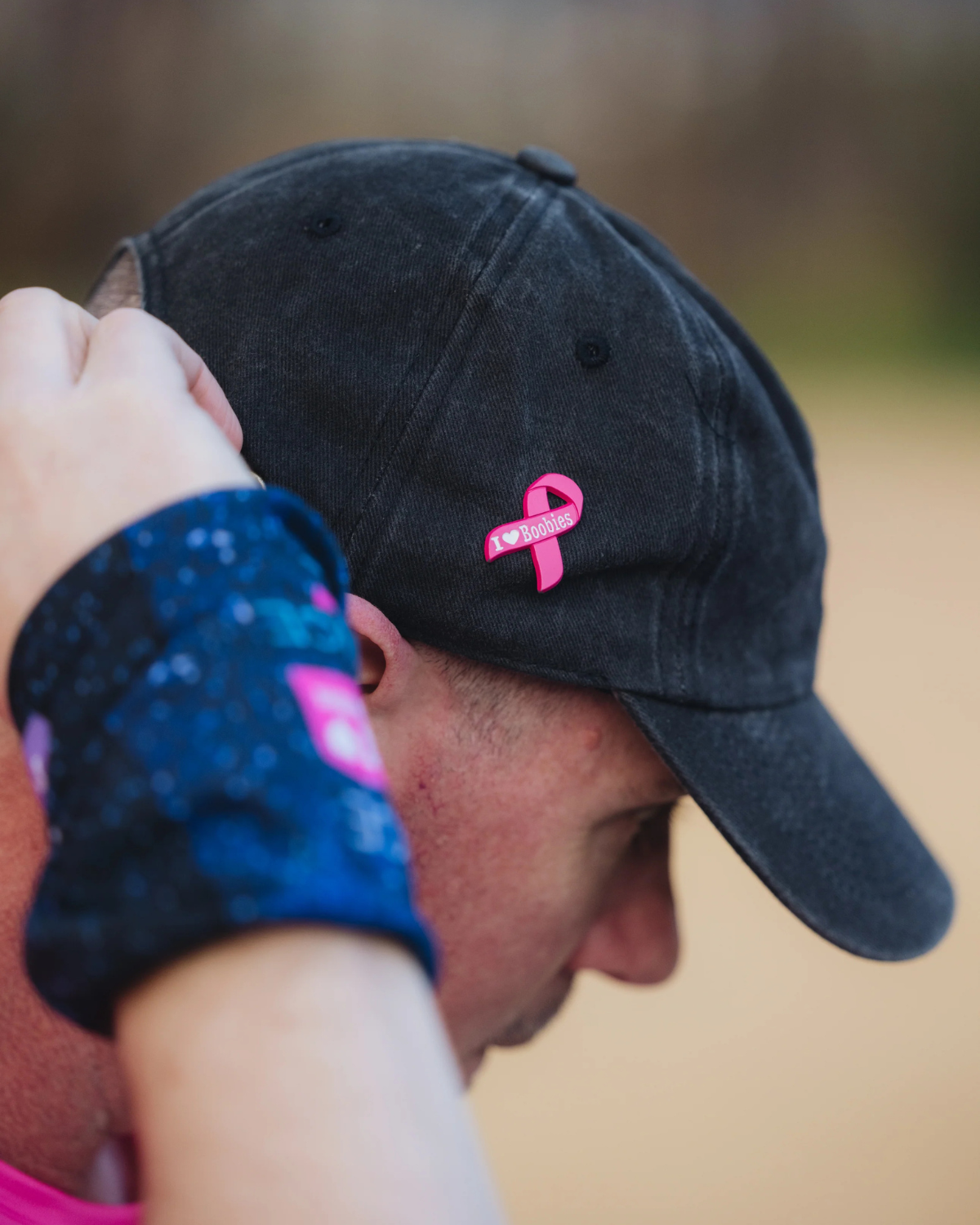
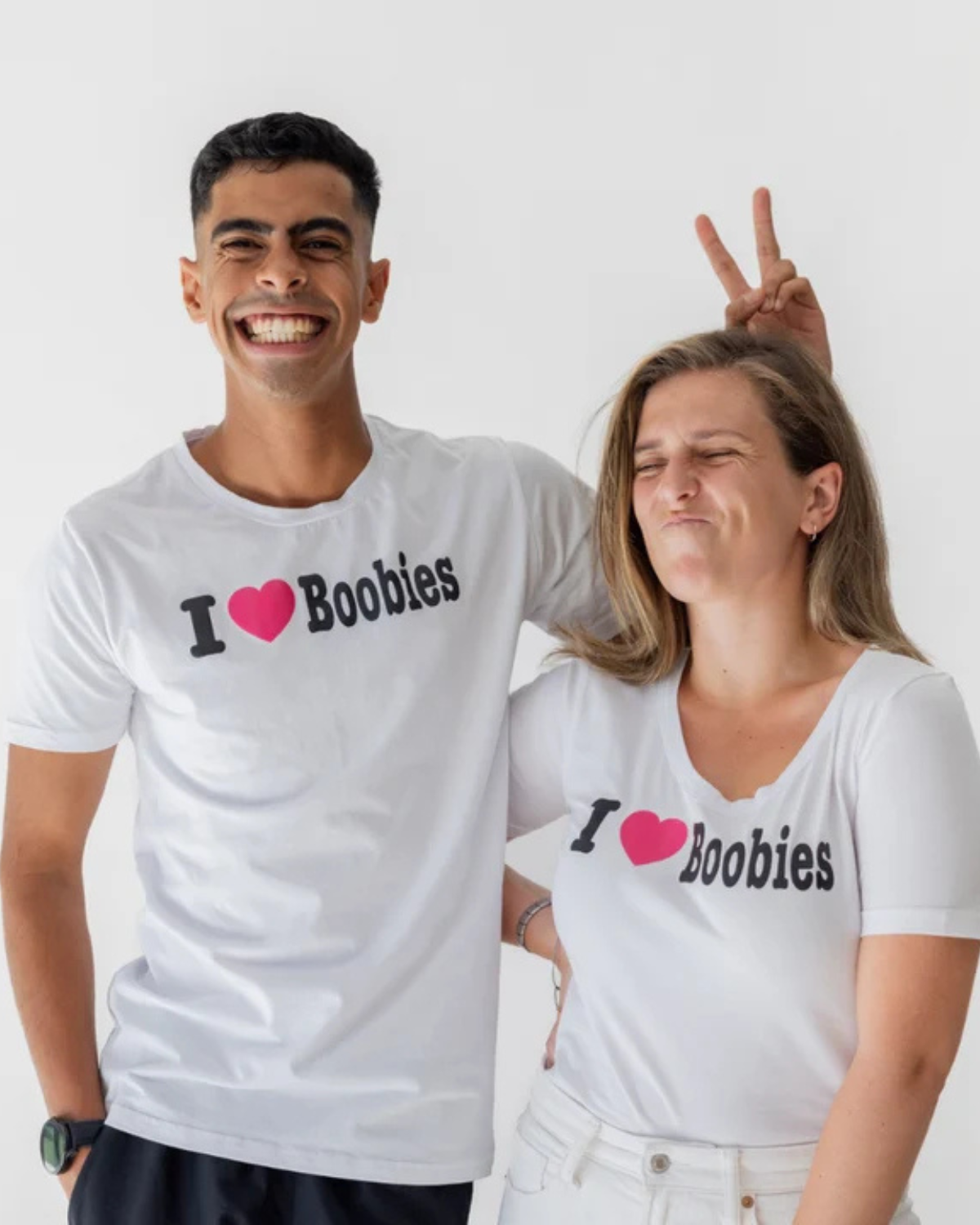
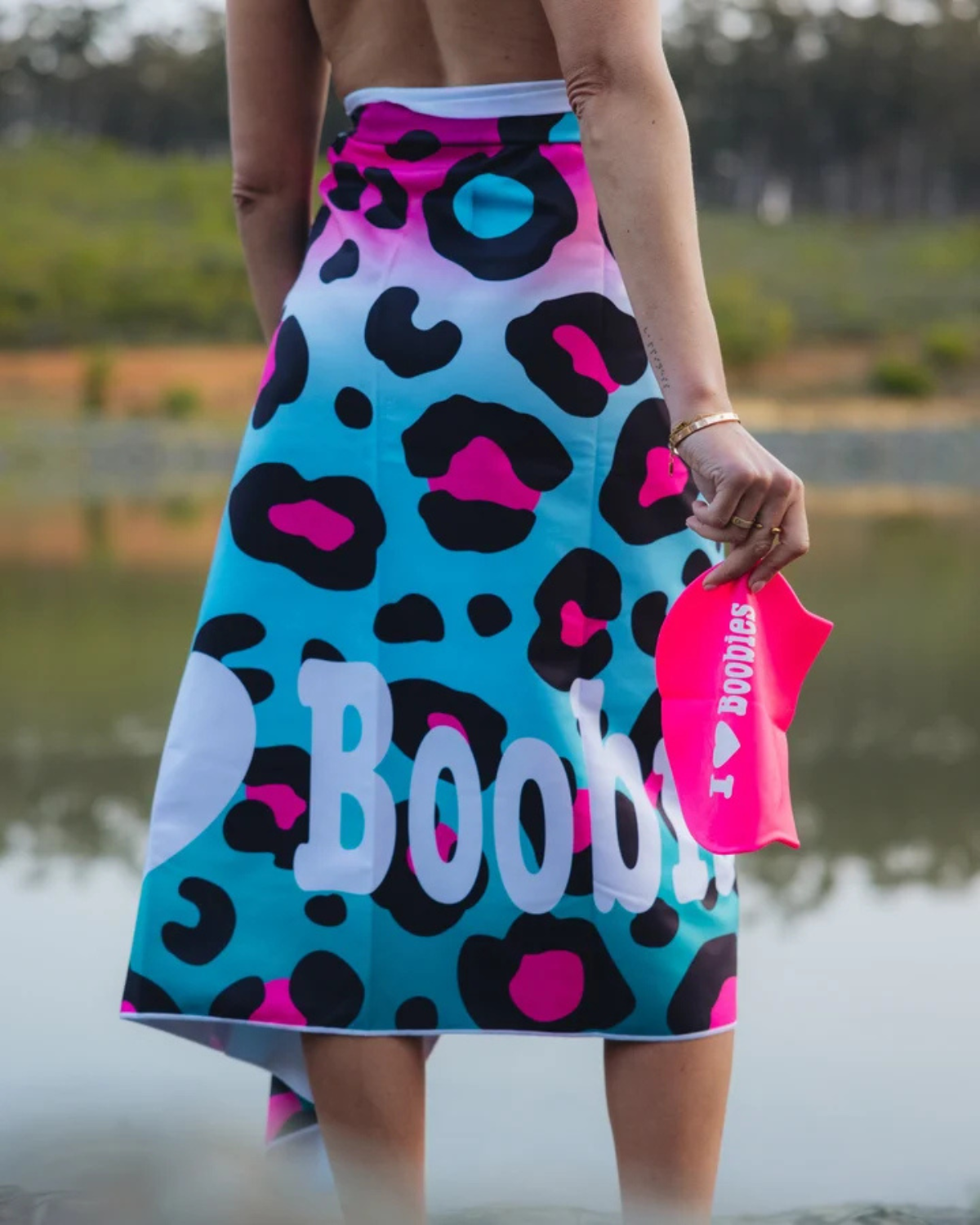
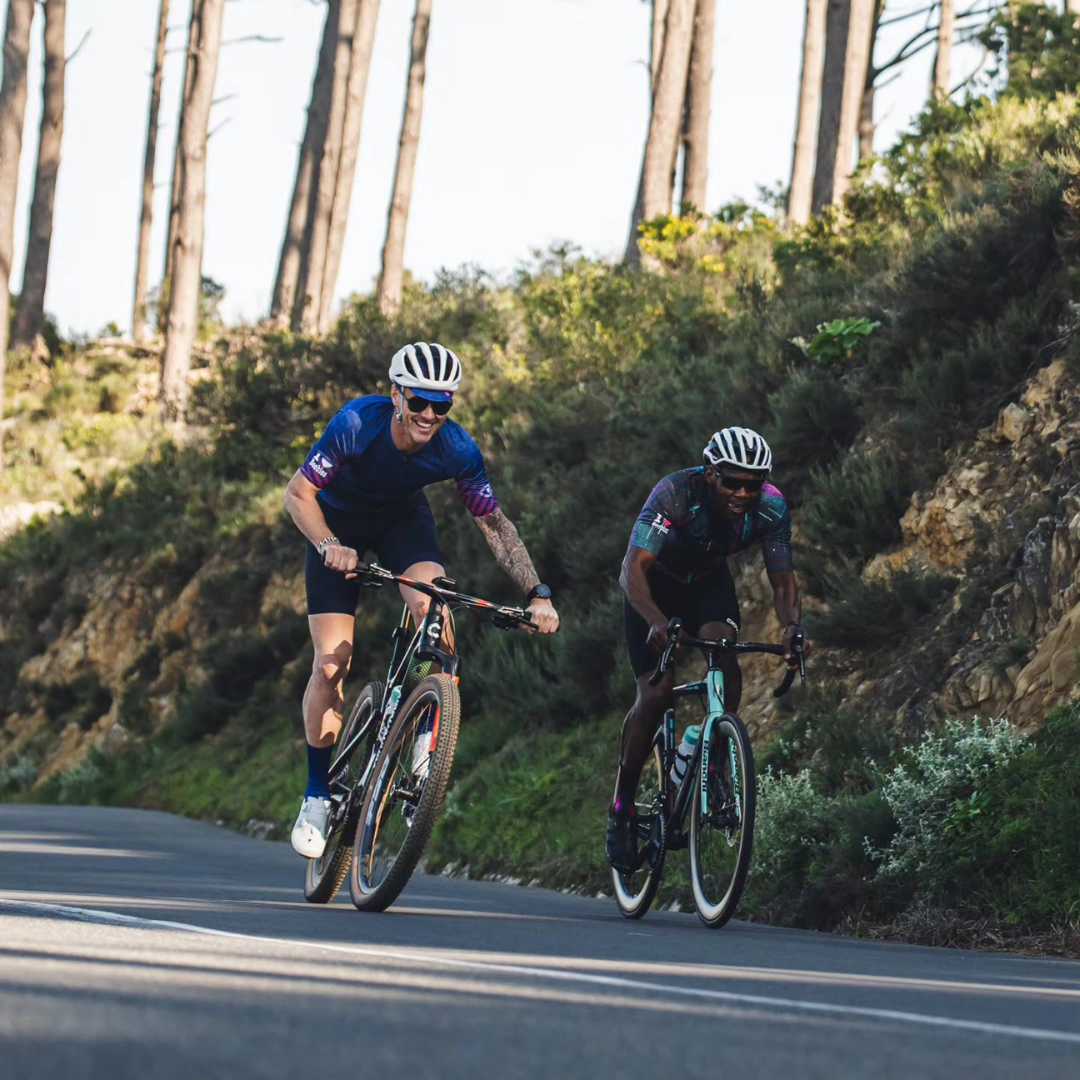
Those same socks are also how most people first encounter the brand. Demand from the public to buy in and show support grew so quickly that I Love Boobies launched an online store in 2018. What began as a handful of sock designs has become a full range of running, cycling and leisurewear - socks, buffs, cycling jerseys, active tees, swimwear and more, all locally manufactured by South African women. More than 20,000 pairs of socks have been sold since the store opened, with 23,739 pairs moving in 2025 alone. Every purchase funds a screening, and every wearer becomes a walking, talking reminder of why early detection matters.
But retail is only one arm of the operation. I Love Boobies has built its fundraising engine directly into South Africa's love of getting outdoors and moving. The organisation is the official charity beneficiary for some of the country's biggest sporting events, including the Absa Cape Epic, the Two Oceans Marathon, Ride Joburg, Wines2Whales and the HOKA Half. Entrants raise funds as part of their race entry, and the "One Entry = One Screening" philosophy behind the annual Imagine Challenge turns every participant into a direct sponsor of someone else's health. There's also the Secret Swim initiative, where supporters known as Secret Swim Hostesses host cold-water dips in their own communities to raise both funds and awareness, and a growing Do Good Crew of volunteers who help carry the message further.
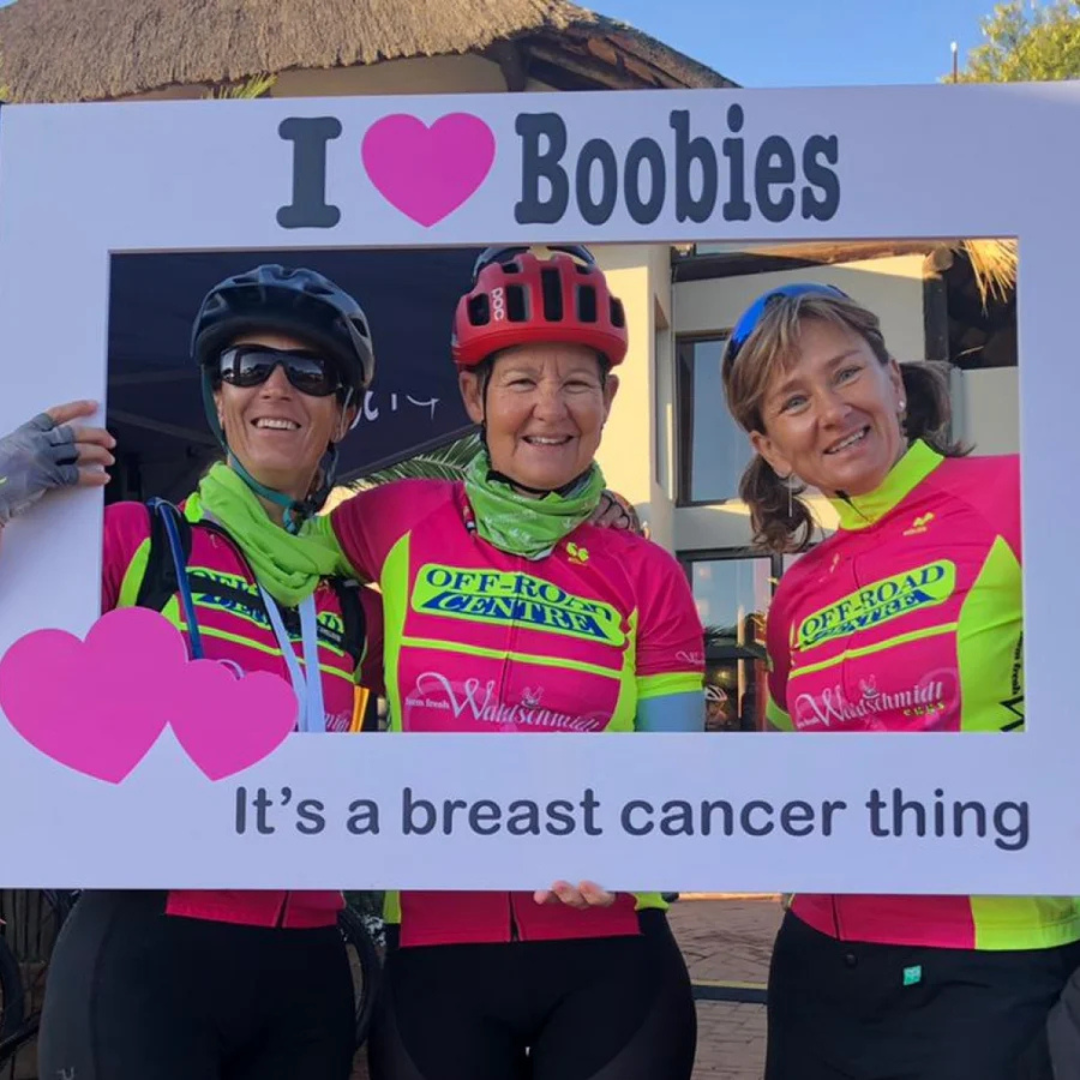
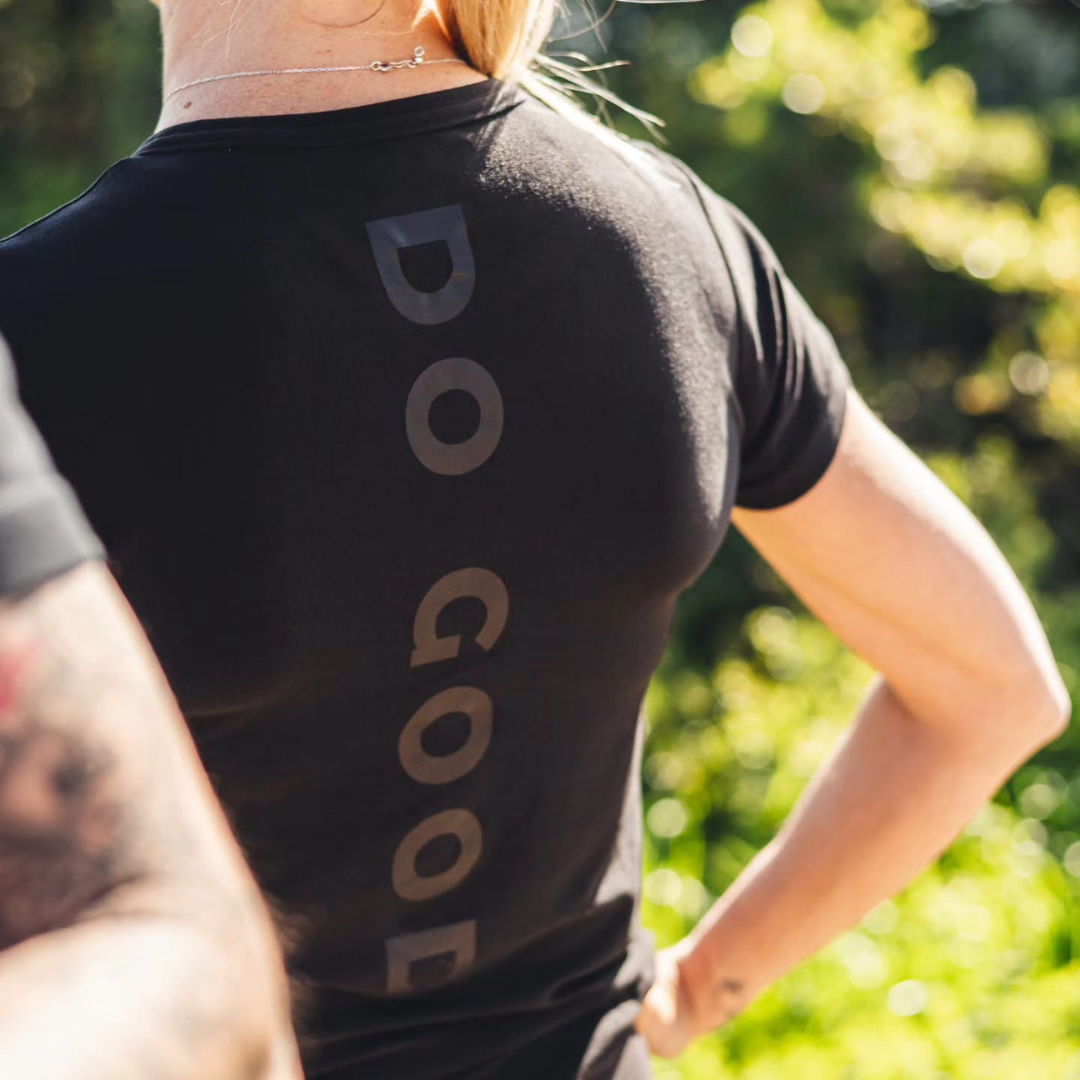
Around 200 volunteer brand ambassadors, based both locally and abroad, carry the "early detection can save lives" message into their own communities, races and social circles. They're proof that raising awareness doesn't have to feel like hard work when it's tied to a healthy, active lifestyle people already love living.
None of this is abstract. Behind every statistic is a woman like Elaine, who lives near the Namibian border and received an inconclusive biopsy with no specialist breast care anywhere nearby. After months of saving, she and her husband Johan travelled to Paarl, where I Love Boobies' screening team coordinated care with a local radiology practice, funded in part by the wider I Love Boobies community. The biopsy confirmed breast cancer. Elaine was referred to Groote Schuur Hospital, underwent a successful double mastectomy, and has since returned home to continue her recovery. Stories like hers are exactly why the organisation keeps showing up, screening bus and socks in tow, in the parts of the country where care is hardest to reach.
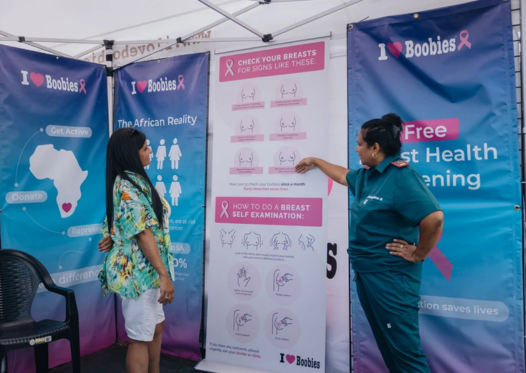
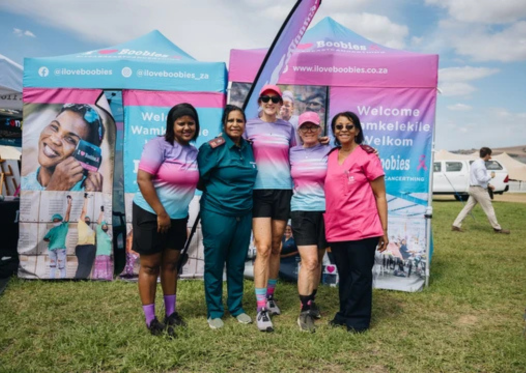
There are quieter ways to plug in too. The organisation runs a nationwide bra collection initiative, with drop-off points and dedicated collection bins that keep gently used bras out of landfill and put them to good use. Direct donations, whether once-off or via a Section 18A tax certificate, go straight back into funding screenings, education workshops and the mobile outreach that gets I Love Boobies' nurses into communities that would otherwise be left out of the conversation entirely.
By choosing to buy a pair of I Love Boobies socks, entering a race in the organisation's colours, dropping off a bag of old bras, or simply sharing the message with the women in your life, you're helping fund something that genuinely saves lives. Every screening, every referral, every early diagnosis is a story like Elaine's that gets to have a better ending.
Together, let's normalise the conversation, wear the socks with pride, and make sure early detection is never out of reach because of where a woman lives or what she can afford. Because a country where more women get the chance to catch this early is absolutely the country we want to live in.

