Bracelets Built From a Second Chance that #doDifferent
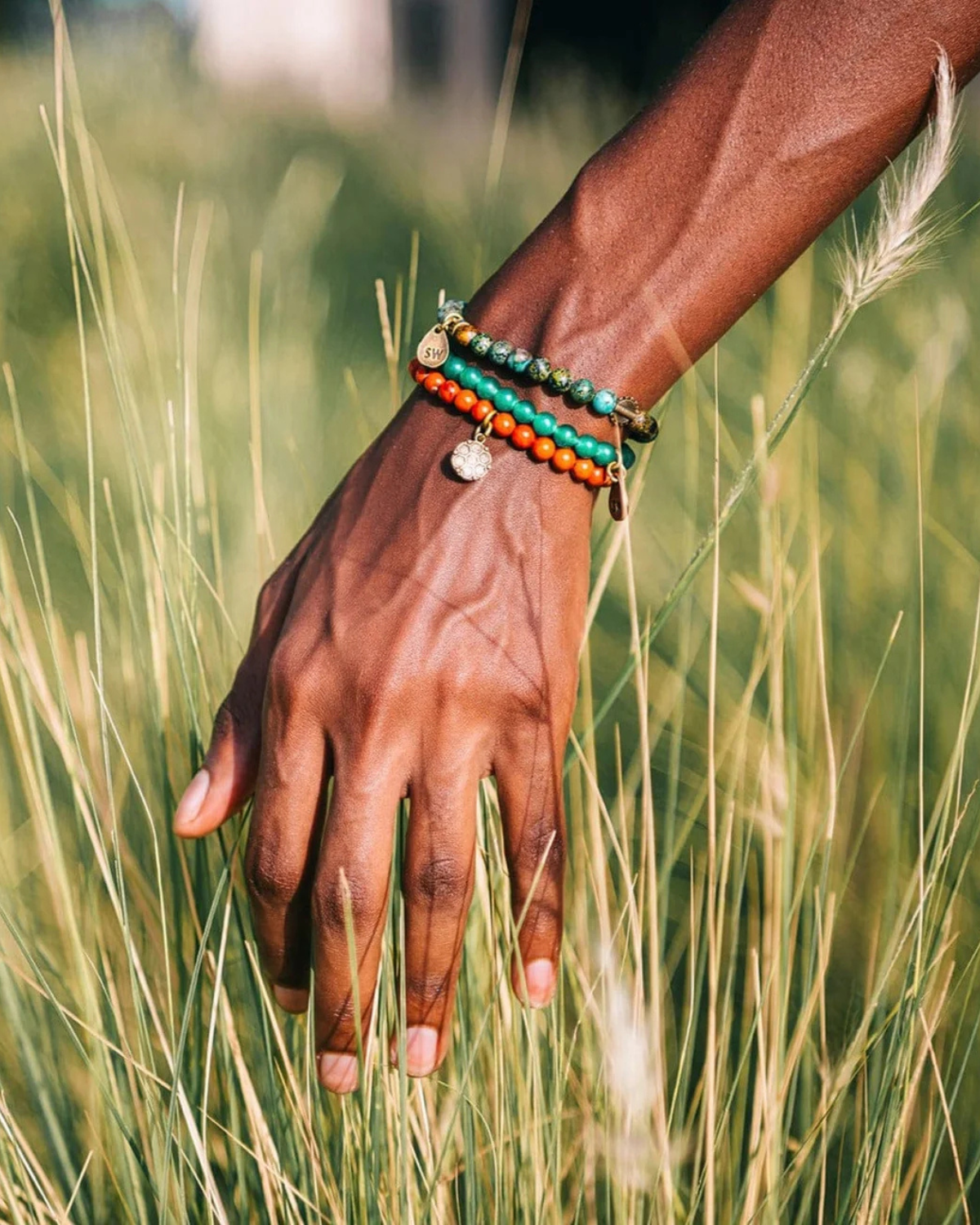
We all know that feeling of slipping on a piece of jewellery that means something - not just a pretty stack of beads on your wrist, but a small, tangible reminder of a place, a cause, a promise. Now imagine that same bracelet is also funding anti-poaching units, helicopter pilots, veterinarians, beehive fences that keep elephants safe, and a living wage for the women who hand-make it in a small bush town on the edge of Kruger National Park. That's not a fantasy. That's Wild In Africa.
Enter Wild In Africa, a Hoedspruit-based jewellery brand with conservation stitched into every single bead. They're not just making bracelets - they're funding the people and organisations working every day to keep Africa's wildlife alive.
Every great story of doing differently starts with someone who refused to give up. Wild In Africa's begins with Shannon Wild, an Australian-born National Geographic filmmaker and photographer who left behind a comfortable life and a thriving photography career in 2013 to chase a childhood dream of Africa. She had never even visited the continent.
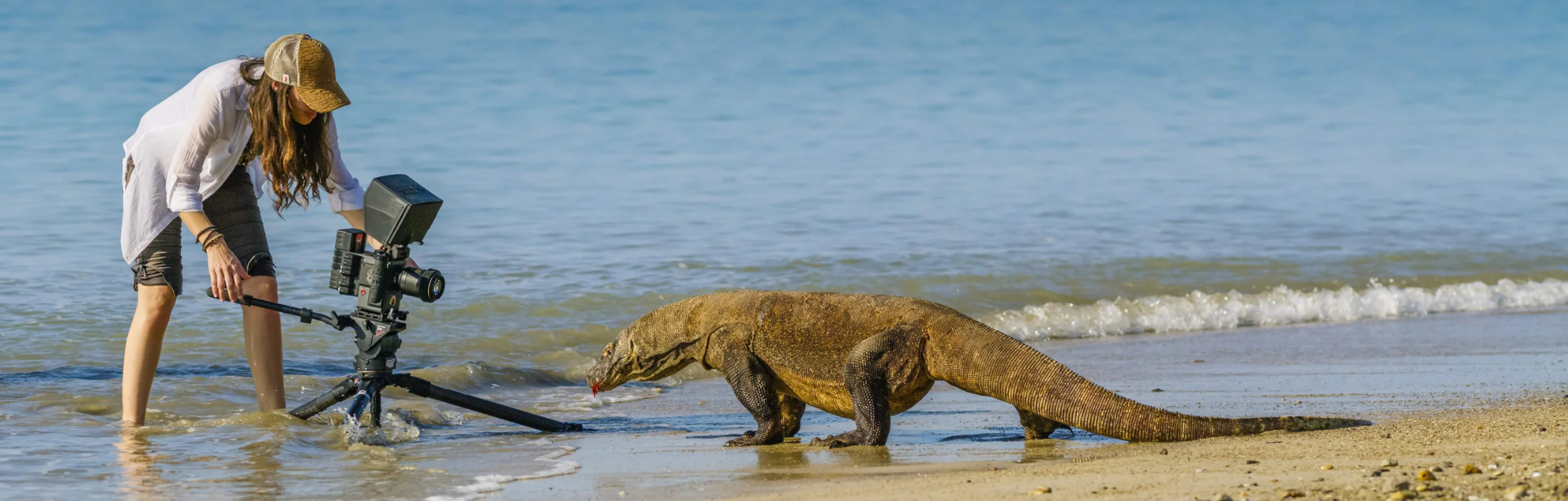
Armed with a camera and no shortage of determination, she spent the next three years working in some of Africa's most remote regions, building a reputation in the brutally competitive world of wildlife filmmaking.
Then, while on assignment in Kenya's Masai Mara, her body gave out. Shannon was found unconscious on a dirt path in lion territory and medevacked to Nairobi in a critical state. With her mother by her side, she spent three months bedridden, and another three months in rehabilitation before she could even hold a camera again.
It was during that long, frustrating recovery that Shannon found a creative outlet: redesigning bracelets from beads she'd collected on her travels. What started as a way to pass the time while her body healed became a way to sell on Etsy, then a fully-fledged brand. Drawing on her background as a graphic designer, Shannon built Wild In Africa from the ground up in 2017, with one non-negotiable: every bracelet had to give back to the organisations she'd worked alongside and watched make a real difference on the ground.
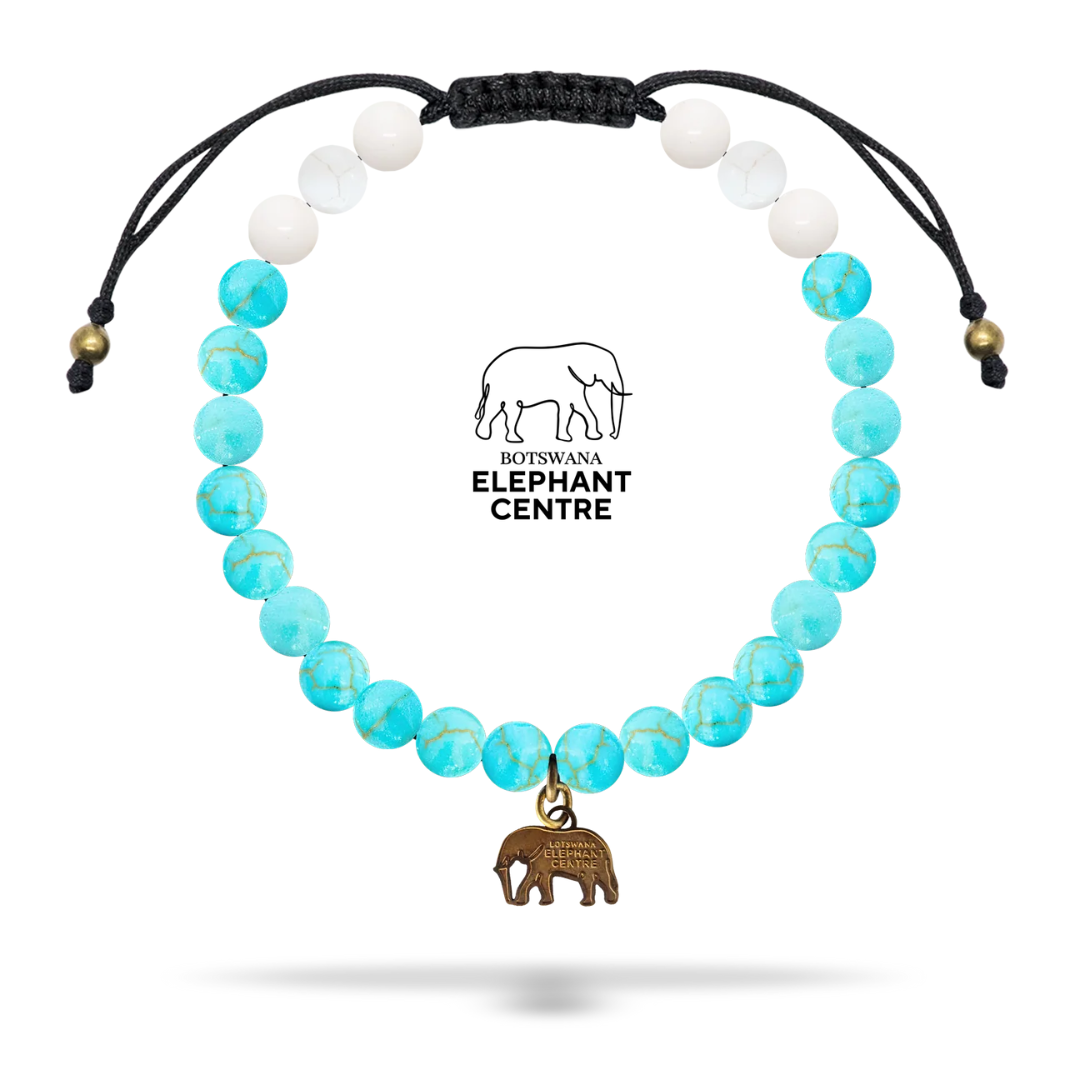
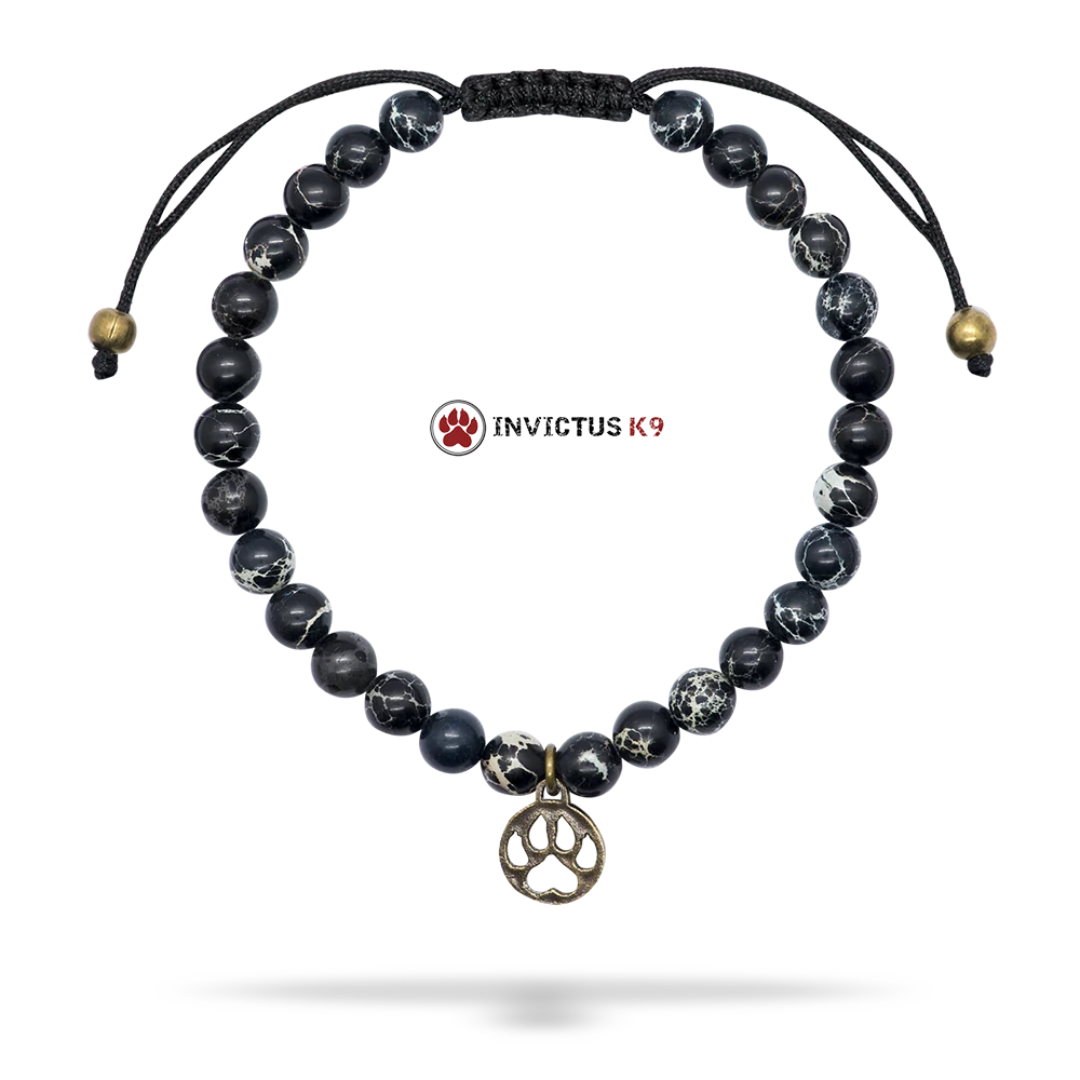
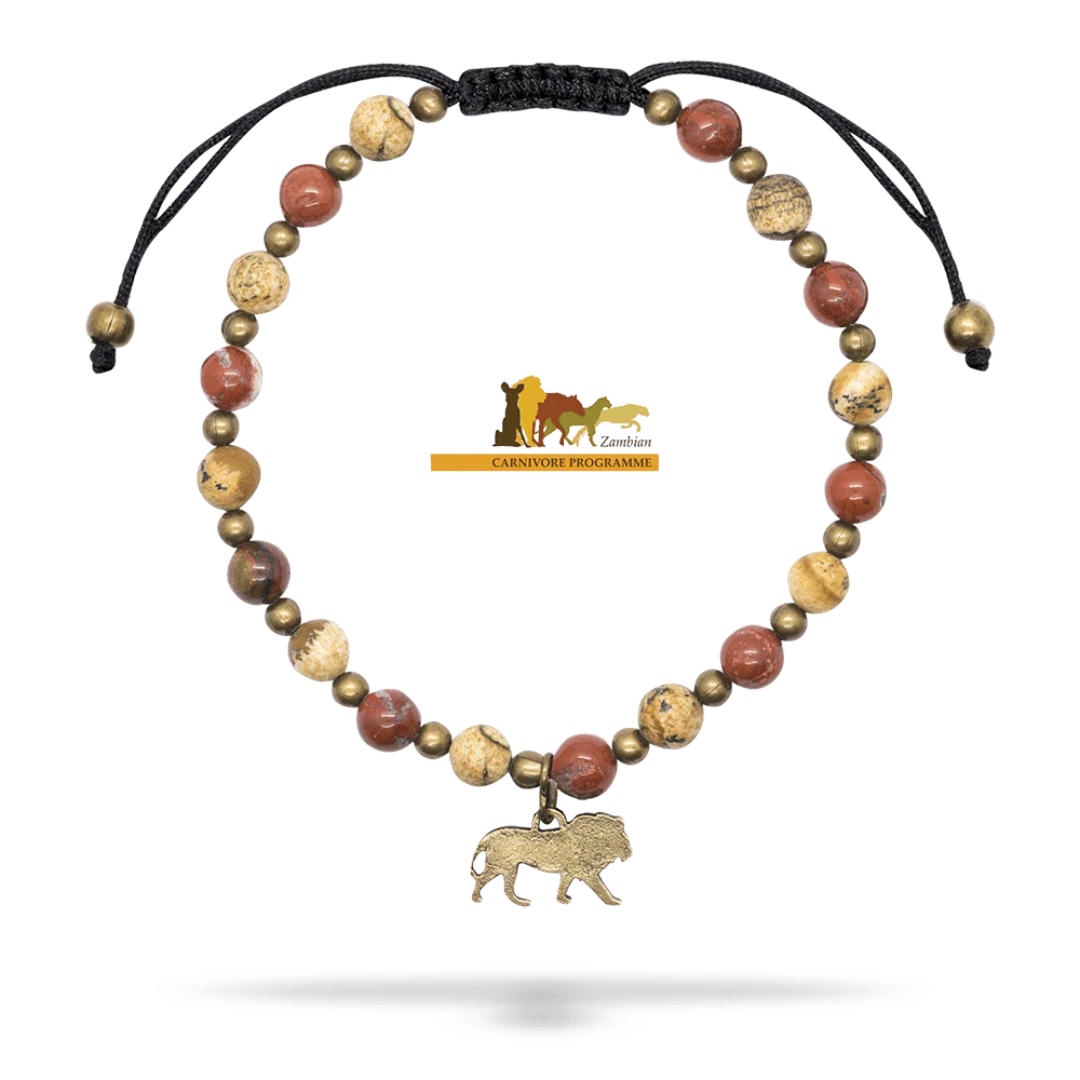
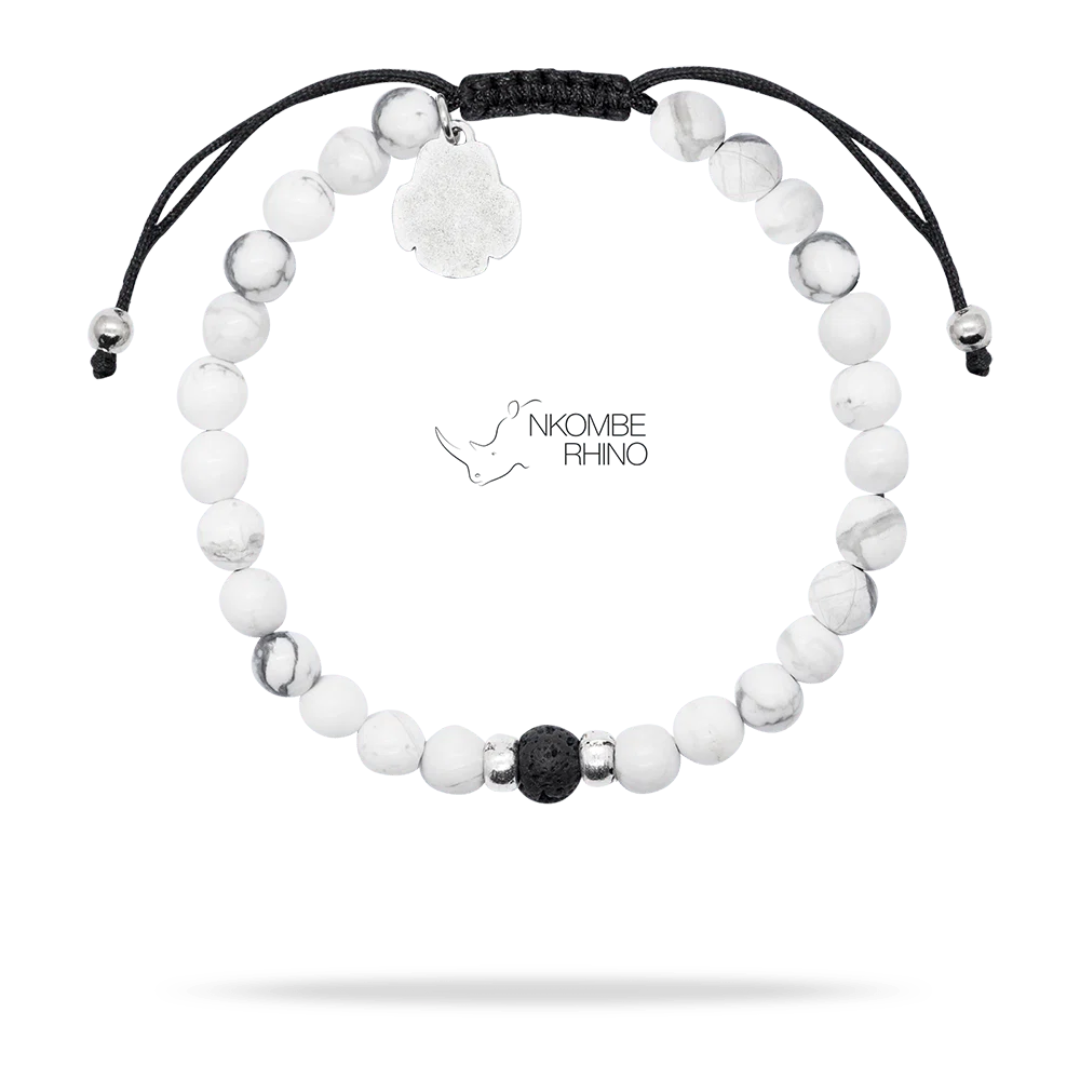
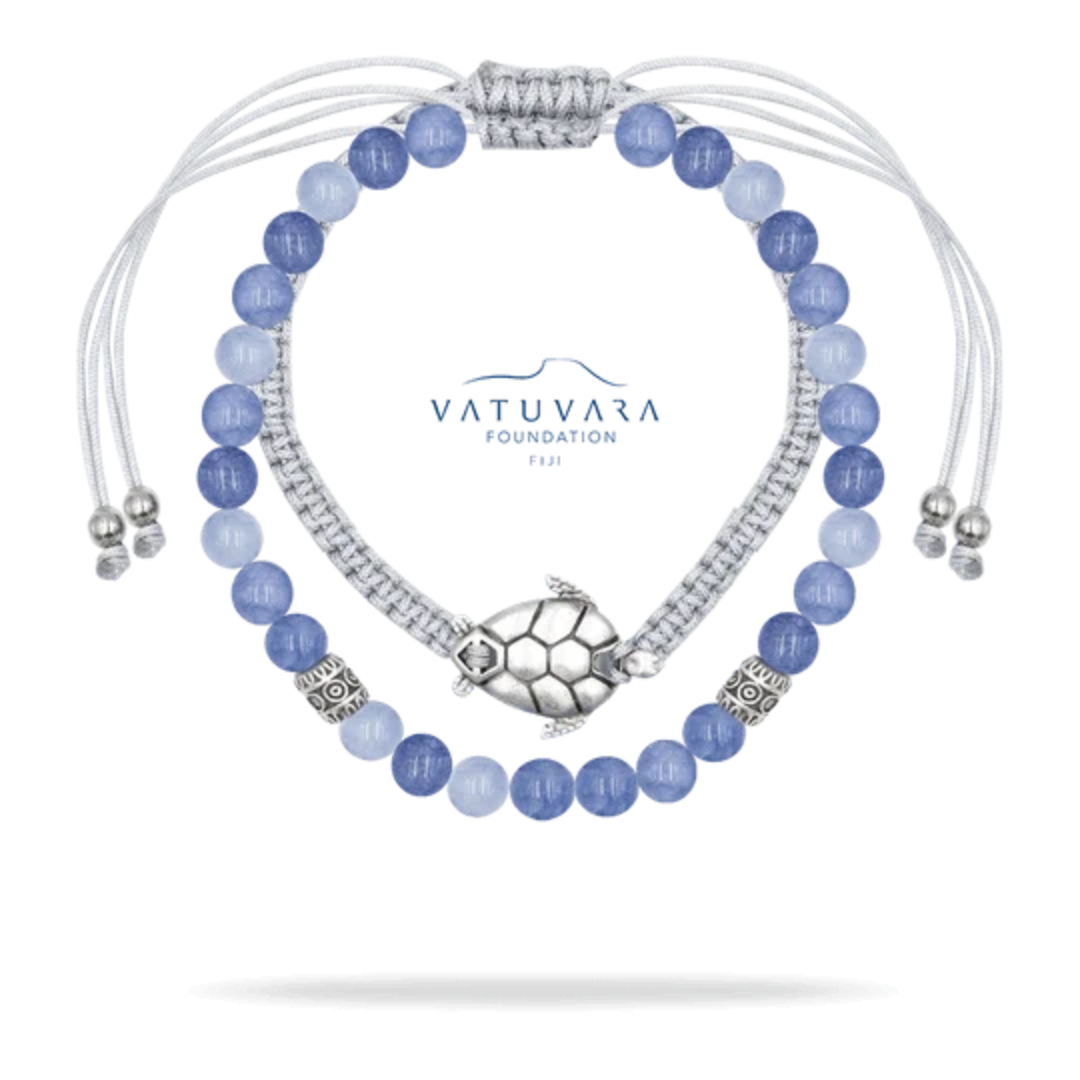
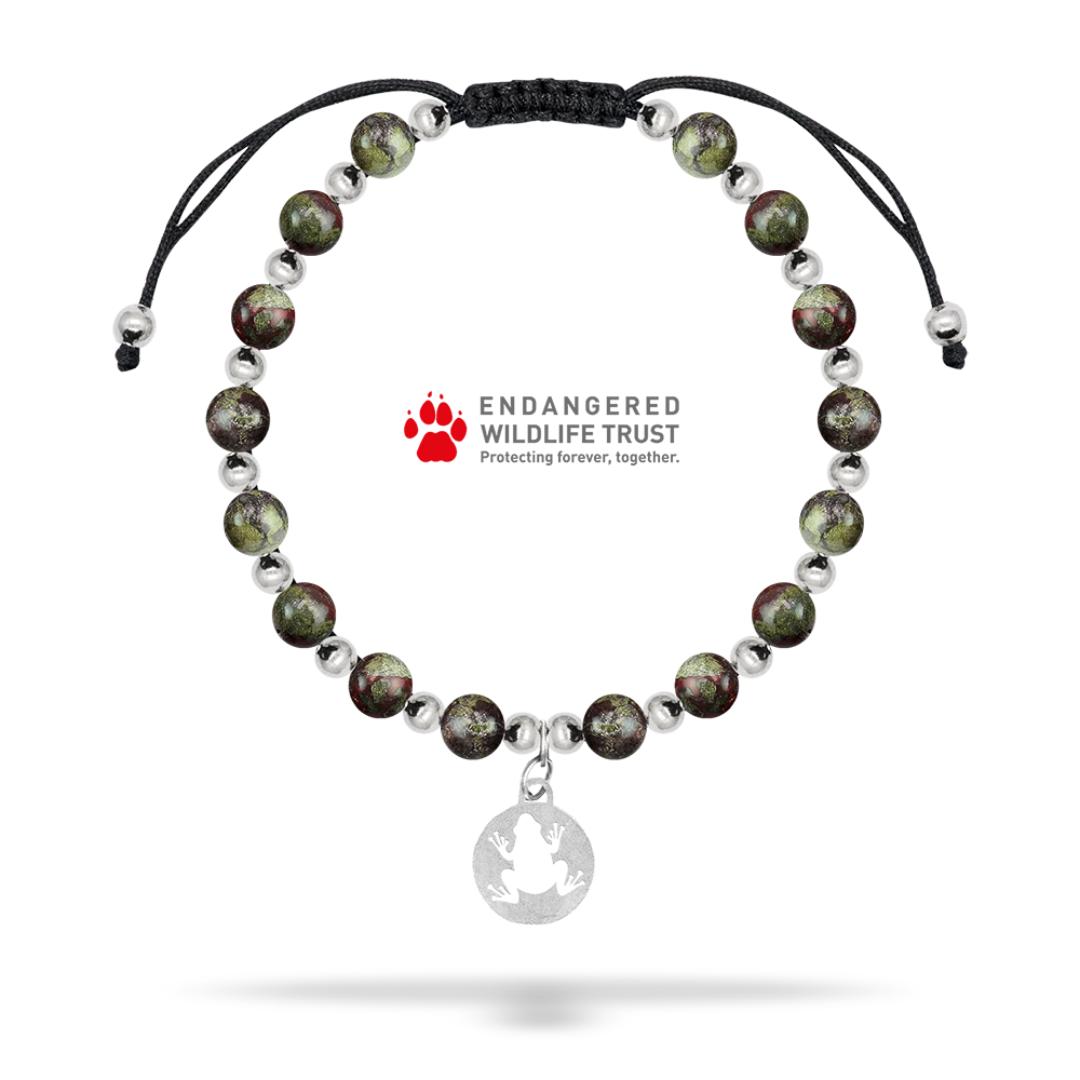
Fast-forward to today, and Wild In Africa has grown from a one-woman Etsy shop into a proper working studio in Hoedspruit - known locally as the "gateway to Kruger National Park" - with two retail spaces, a wholesale arm, and customers shipping worldwide. But the founding principle hasn't budged an inch. Every piece is still designed by Shannon herself, and every purchase still funds conservation.
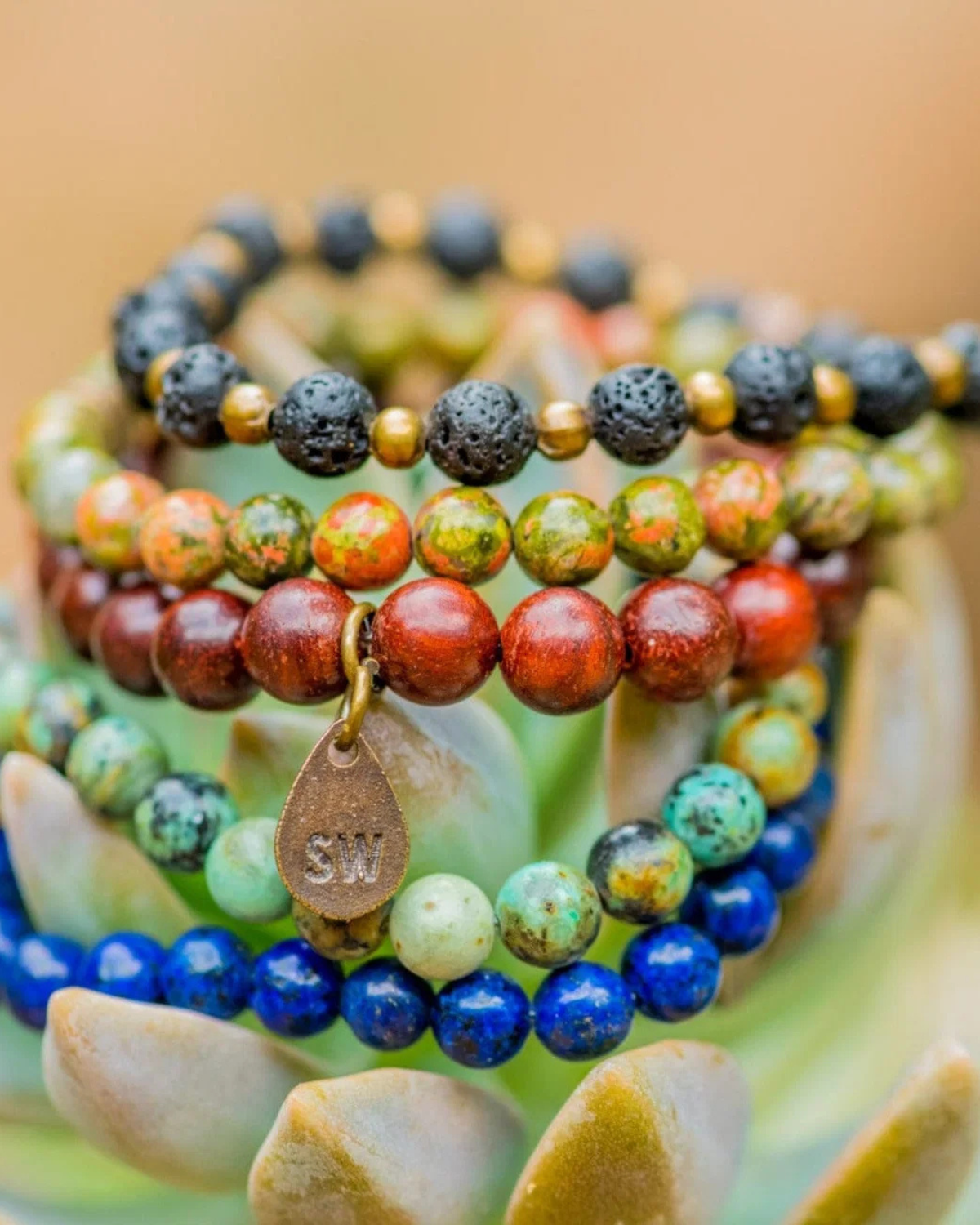
Visitors to Hoedspruit can walk straight into the Wild In Africa studio and watch the beaders at work - genuine semi-precious stones and brass, threaded and knotted by hand, no shortcuts, no synthetics. There's no mystery about where these bracelets come from or who makes them. Beaders work in an air-conditioned studio for a living wage, and the brand runs beading workshops for locals and visitors alike - part team-building exercise, part cultural exchange, part small act of keeping a craft skill alive in the community.
Wild In Africa sources genuine semi-precious stones rather than plastic or synthetic imitations, and backs every bracelet with a one-year replacement warranty. In an industry where cheap, mass-produced "charity" trinkets are common, they've deliberately gone the other way - handcrafted, built to last, and honest about where the money goes.
Since the brand launched, Wild In Africa has committed to donating a significant share of its earnings to conservation - originally 50% of the purchase price of every bracelet, and, since January 2025, 50% of profits, a change made openly and explained by Shannon as necessary to keep paying living wages and sourcing quality materials through years of inflation and rising costs. It's not a hidden asterisk. The company published the shift publicly, because the mission matters more than pretending nothing has changed.
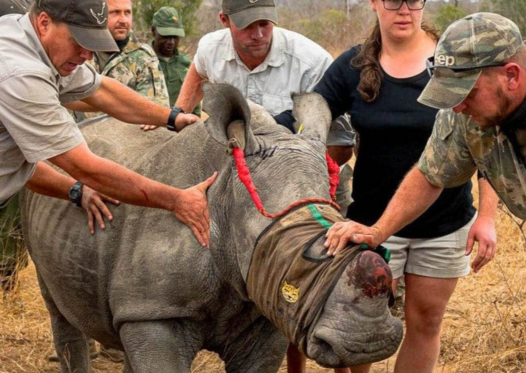
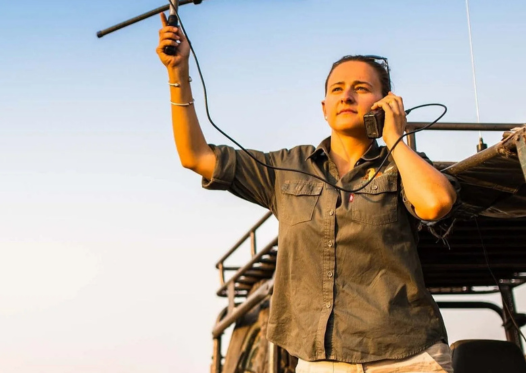
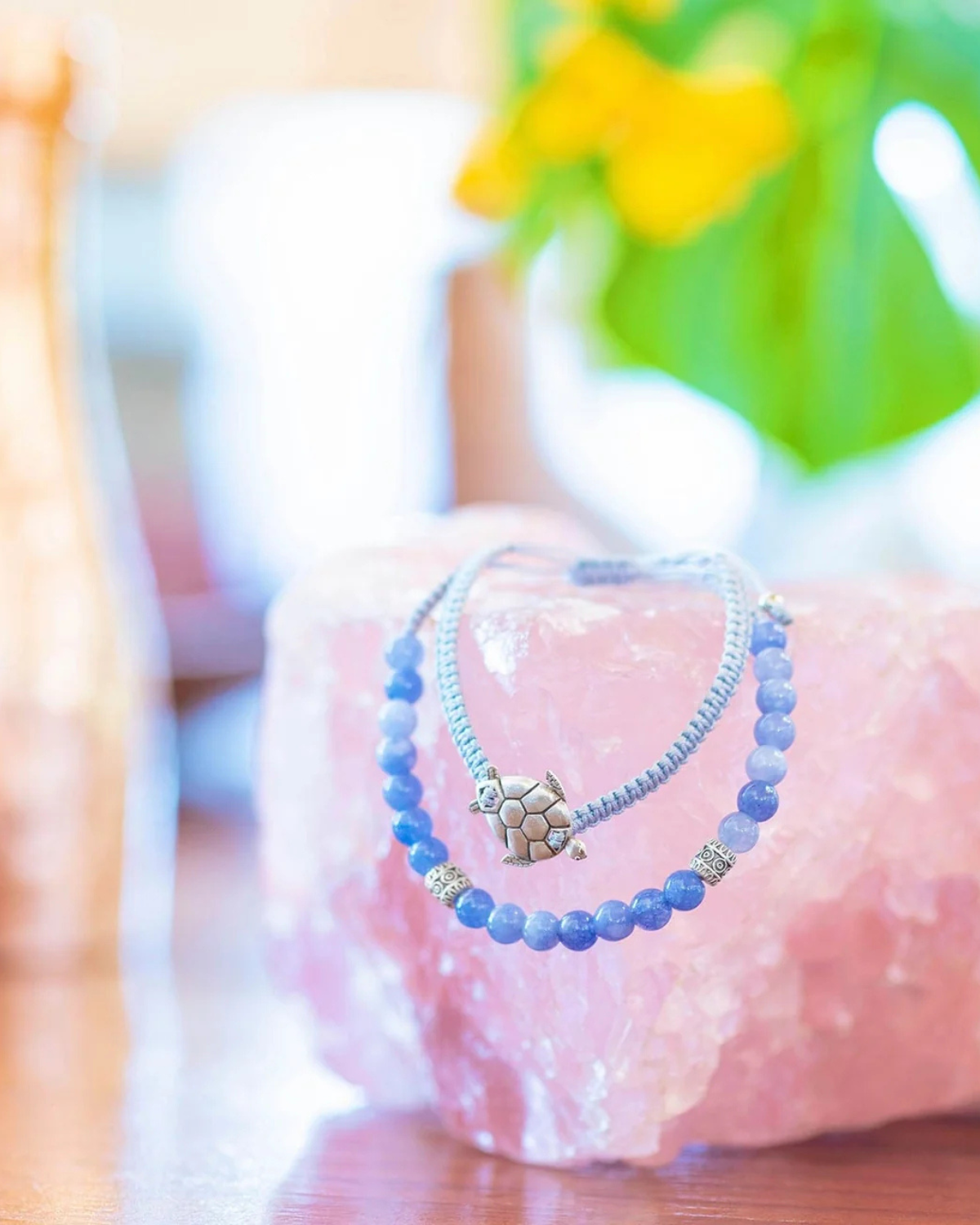
That mission plays out across nearly twenty charity partners, each with its own dedicated bracelet design, so customers can choose exactly which cause their money supports. Nkombe Rhino funds anti-poaching units, veterinarians, and helicopter pilots protecting rhino populations on the ground. Rhino Revolution leads anti-poaching and rhino range expansion work in the Greater Kruger area. Saving The Survivors, founded by Dr Johan Marais in 2012, gives injured and traumatised wildlife - victims of poaching and other harm - a second chance through emergency veterinary care.
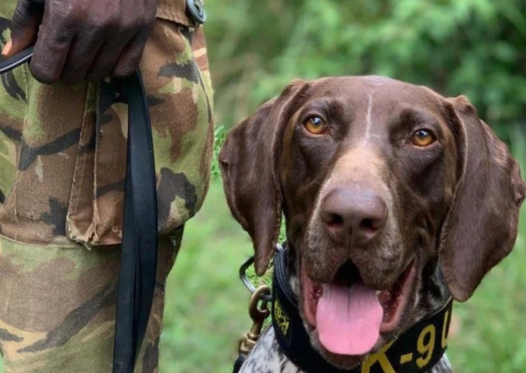
It doesn't stop at the big, well-known species. The Sungazer Working Group works to protect the vulnerable sungazer lizard from habitat destruction and poaching. The APNR Ground-Hornbill and Mabula Project carries out research to slow the decline of one of Africa's most endangered birds. AFeWiS uses creative beehive fences in Tanzania to keep elephants out of villages without harming them, while giving local communities a sustainable source of income. Invictus K9 trains detection dogs to track poachers and sniff out illegal wildlife products in the field.
Community sits right alongside conservation. Over & Above Africa funds local initiatives that improve living conditions for villagers while protecting the wildlife around them. The Adventures of Pili creates children's books and educational resources to build environmental awareness and literacy. Wild Tomorrow protects habitat in South Africa that would otherwise be lost, giving giraffes, zebras, wildebeest, and hippos somewhere safe to live. Even further afield, the Vatuvara Foundation protects marine areas and educates coastal communities in Fiji, and the Backwater Sanctuary offers a safe retirement home to abused and abandoned horses, ponies, and donkeys in India.
It's a long list, and that's rather the point. Every one of those organisations does quiet, unglamorous, essential work - and every bracelet sold gives them a little more room to keep doing it.
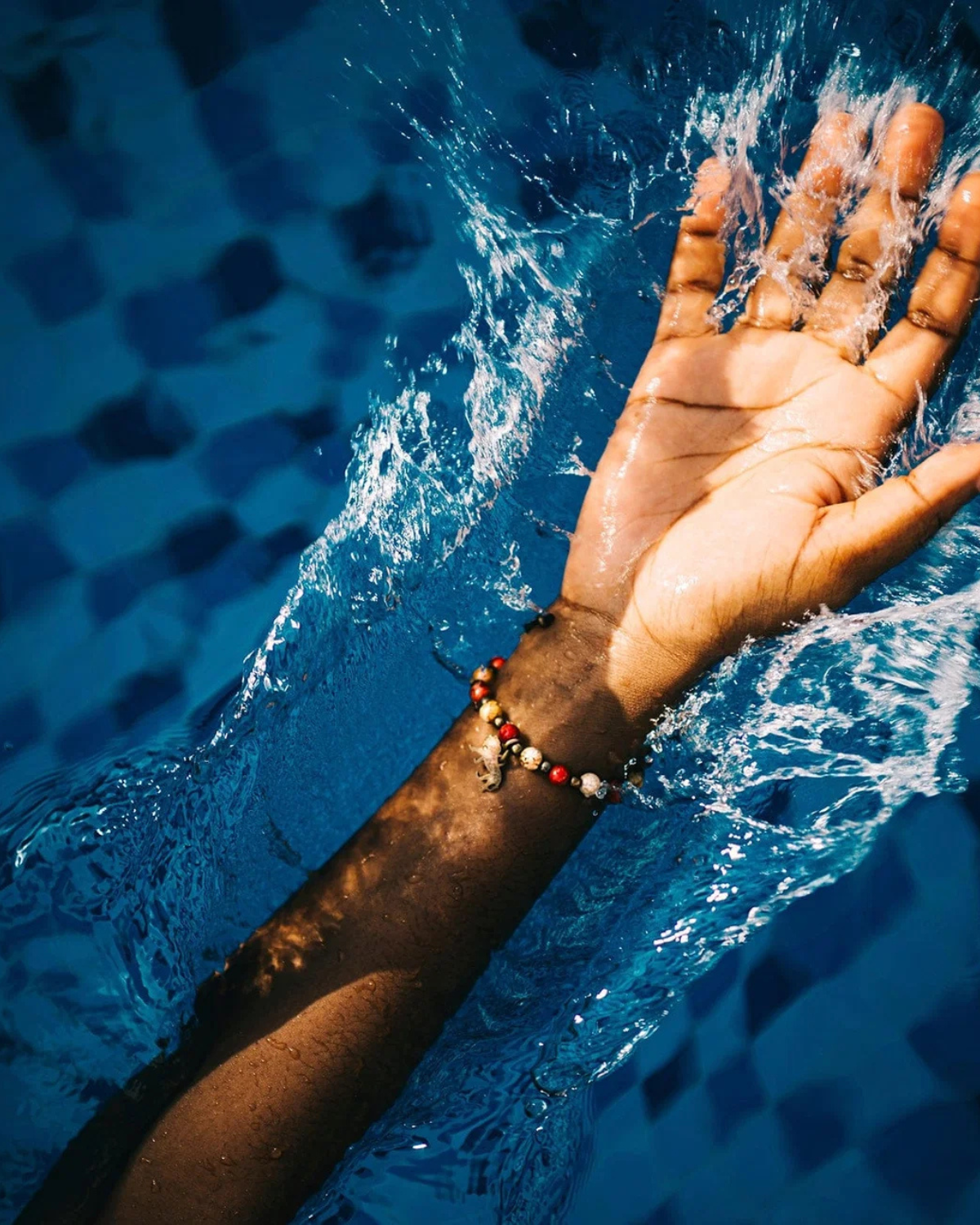
By choosing Wild In Africa - whether it's a charity bracelet supporting a specific cause close to your heart, a curated stack, or a gift for someone who loves animals as much as you do - you're directly funding anti-poaching patrols, veterinary care, habitat protection, and fair employment in a small South African town most people will only ever see through a bracelet like this one.
You can shop online worldwide, visit the studio in Hoedspruit to watch the beaders at work, or book a beading workshop and make something with your own hands.
Together, let's choose differently. Let's wear things that mean something, made by people earning a fair wage, funding work that genuinely protects the wild places and creatures we love. Because a world where a small business built out of a near-tragedy can still be quietly holding up dozens of conservation projects across a continent - that's absolutely the world we want to live in.

